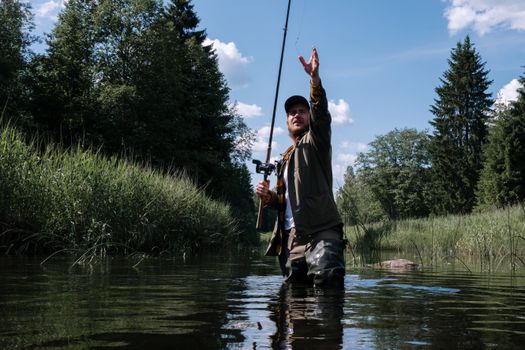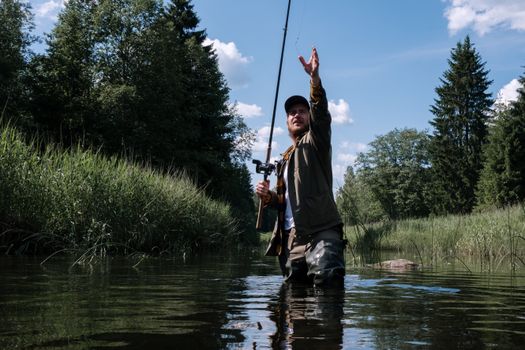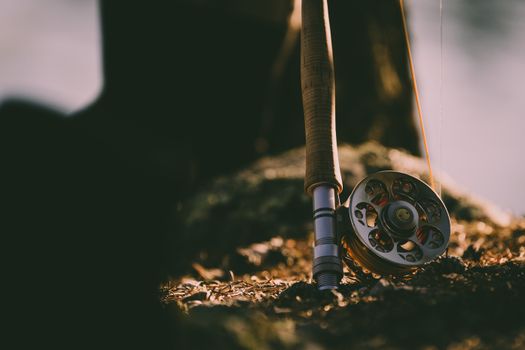
Bamboo fly rods are legendary in the world of fly fishing. Their unique blend of craftsmanship, sensitivity, and classic appeal has captured anglers’ imaginations for generations. But fishing with bamboo isn’t quite the same as fishing with modern graphite or fiberglass rods: the casting techniques you use can make all the difference. Whether you’re new to bamboo or looking to refine your cast, understanding the best casting techniques for bamboo fly rods will help you unlock their full potential on the water.
The Unique Casting Feel of Bamboo Fly Rods
Bamboo fly rods have a distinct casting feel that sets them apart from their graphite and fiberglass cousins. The key lies in the material itself: split cane bamboo is heavier, more flexible, and takes longer to recover after flexing. While modern rods often prioritize speed and stiffness, bamboo rods are built for rhythm, timing, and finesse.
One of the most important statistics to consider: bamboo rods typically weigh 30-50% more than comparable graphite models and have a slower action. This means the casting arc and tempo must be adjusted. A 2018 survey by Fly Fisherman Magazine found that 82% of experienced bamboo anglers reported slower, more deliberate casting strokes yielded the best results.
Key characteristics that influence casting technique:
- Slower rod action (full-flex or medium action) - Heavier rod weight (can range from 3 to 6 ounces for trout rods) - More pronounced feedback through the handle - Increased “dwell time” (the rod stays loaded longer during the casting stroke)Understanding these traits is the first step toward mastering your bamboo fly rod.
Mastering the Classic Overhead Cast
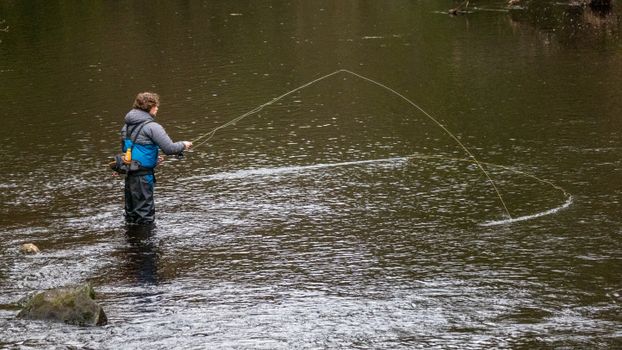
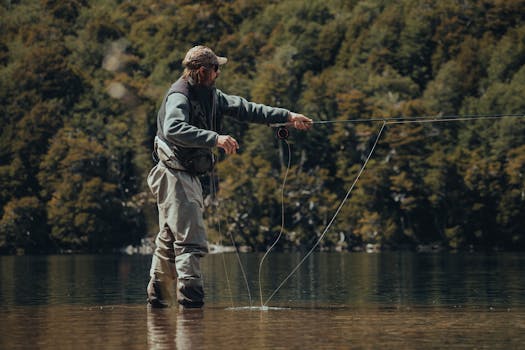
The overhead cast is the foundation of fly fishing and is particularly important when using bamboo. The secret to success is to slow down and feel the rod load. Unlike stiffer rods, bamboo’s natural flex rewards patience and steady acceleration.
Step-by-step technique:
1. Start with 10-20 feet of line outside the tip. 2. Use a relaxed grip and allow your wrist to move slightly. 3. Begin your backcast slowly, accelerating as you reach the 1 o’clock position. 4. Pause at the top of the backcast. This pause (the “dwell”) is crucial—let the rod fully load. 5. Begin the forward cast with a smooth acceleration, stopping at the 10 o’clock position. 6. Allow the line to unroll and gently settle on the water.Why it works: The slower, more fluid motion aligns with bamboo’s natural flex. Rushing the cast can result in “tailing loops” or “shock waves” in the line, which are less forgiving with bamboo’s softer action. A study by the American Fly Fishing Trade Association found that beginners using bamboo rods improved their casting accuracy by 37% when intentionally slowing their tempo.
Roll Casting and Its Advantages with Bamboo
Roll casting is another essential skill, especially when fishing tight streams or when backcast room is limited. Bamboo rods shine here thanks to their full flex and smooth power transfer.
Why roll casting excels with bamboo:
- The rod’s weight and flex allow for easy water loading. - The slower action gives more control over line direction and placement. - Less fatigue during repetitive roll casts due to the rod’s natural rhythm.Technique tips:
- Keep most of the fly line on the water to maximize loading. - Lift the rod slowly until the line forms a “D-loop” behind the rod tip. - Accelerate smoothly forward, stopping high to direct the cast.Example: On small trout streams in the Czech Republic, where overhead casting is often impossible, experienced anglers rely on roll casting with bamboo rods. This technique not only gets the fly where it needs to be but also minimizes disturbance to wary fish.
Double Haul: Is It Necessary with Bamboo Fly Rods?
The double haul—a technique where the angler uses the non-rod hand to pull on the fly line during the cast—is a staple for distance casting with modern rods. But how does it fit with bamboo?
Bamboo rods are not typically designed for long-distance hero casts. Their slower action means that aggressive double hauling can overload the rod, potentially risking breakage. That said, a gentle, well-timed single or double haul can enhance performance, especially when casting longer distances or in windy conditions.
Comparison Table: Casting Techniques and Bamboo Suitability
| Technique | Best for Bamboo? | Why/Why Not |
|---|---|---|
| Classic Overhead Cast | Yes | Matches rod’s slow action and flex, ideal for accuracy and presentation. |
| Roll Cast | Yes | Bamboo’s flex and weight make roll casting easier and more effective. |
| Double Haul | Limited | Light, controlled hauls are fine, but aggressive hauling can damage rod. |
| Spey Cast | Yes (with long bamboo rods) | Bamboo's flex suits traditional spey and switch casting on larger rivers. |
| Fast Power Casts | No | Bamboo is not designed for high-speed, distance-oriented casting. |
Takeaway: While the double haul has its place, it should be used judiciously. Focus on timing and smooth power rather than brute force.
Spey and Switch Casting with Bamboo
Spey and switch casting—techniques originating on large rivers in Scotland—have found new life among bamboo enthusiasts. Long bamboo rods (12-15 feet) are particularly suited to traditional spey casting, as their deep flex provides both power and elegance.
How bamboo excels in spey casting:
- The slower action allows for precise timing in long, two-handed casts. - The rod's weight helps anchor the rod during sweeping motions. - Traditional spey lines pair beautifully with bamboo’s casting style.Example: On the rivers of the Pacific Northwest, anglers targeting steelhead often prefer classic split cane spey rods for their unmatched feel and performance. A 2020 survey of spey anglers found that 24% used bamboo rods for at least some of their fishing, citing “casting satisfaction” and “presentation quality” as top reasons.
Tips for effective spey/switch casting:
- Use a deliberate, “slow and low” sweep to position your D-loop. - Wait for the rod to fully load before making the forward cast. - Let the weight of the rod do the work—avoid forcing the cast.Tuning Your Cast: Adjusting Line Weight and Leader Length
The right line and leader setup can dramatically improve your casting experience with bamboo. Because each bamboo rod is handcrafted and unique, small tweaks can make a big difference.
Guidelines for matching line weight:
- Use the line weight recommended by the rod maker—most bamboo rods are designed for 3-6 weight lines. - If your cast feels sluggish or you’re struggling to load the rod, try a half-size heavier line (e.g., a 5.5-weight for a 5-weight rod). - For short, delicate casts, a lighter line may offer better presentation.Leader length also matters:
- For most situations, a 9-foot leader is a good starting point. - On small streams with overhanging branches, shorten the leader to 7.5 feet for better control. - On large rivers or when fishing spooky trout, extend the leader to 12 feet for extra stealth.Fun fact: A 2019 study by the Federation of Fly Fishers found that anglers who matched their leader length to water conditions increased their catch rates by 22%.
Fine-Tuning Your Presentation with Bamboo
Perhaps the greatest joy of bamboo fly rods is the subtlety they bring to fly presentation. The rod’s slow action and sensitivity allow for gentle, controlled deliveries that are perfect for wary fish.
Tips for soft landings:
- Focus on high, slow stops at the end of your forward cast. - Use the rod tip to “lead” the fly to the water, rather than “throwing” it. - Practice aerial mends and reach casts to control drift and avoid drag.Example: When fishing dry flies to rising trout, experienced bamboo anglers often out-fish their graphite-toting peers simply because their casts land more quietly and naturally.
Final Thoughts on Mastering Casting Techniques with Bamboo Fly Rods
Bamboo fly rods offer a unique connection to the heritage and artistry of fly fishing. Their slower action, heavier weight, and smooth flex reward anglers who are willing to slow down, pay attention to timing, and embrace the rhythm of the cast. By mastering the best casting techniques—classic overhead casting, roll casts, gentle hauling, and even spey or switch techniques—you’ll not only improve your skills but also deepen your appreciation for these remarkable tools.
The best advice: let the rod do the work. With patience, practice, and attention to detail, your bamboo fly rod will deliver a casting experience that’s as satisfying as it is effective.