Split cane rods, also known as bamboo rods, are treasured by anglers for their sensitivity, craftsmanship, and enduring appeal. While they are renowned for their performance and beauty, split cane rods require specific care and attention, especially when they need repair. Whether you’ve inherited a vintage rod or purchased a new one, knowing how to maintain and fix these rods at home can extend their lifespan and ensure a rewarding fishing experience. This comprehensive guide walks you through essential maintenance routines, common repair techniques, and step-by-step advice for at-home fixes, all tailored to help you preserve your split cane rod’s legacy.
Understanding the Construction of Split Cane Rods
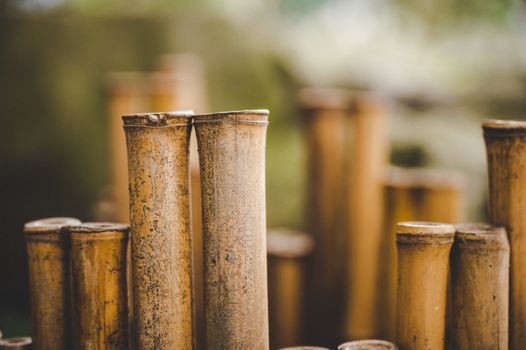
To properly maintain or repair a split cane rod, it helps to understand what sets them apart. Unlike modern rods made from graphite or fiberglass, split cane rods are crafted from Tonkin bamboo—a species prized for its strength and flexibility. Artisans split the bamboo into strips, plane them to precise tapers, and glue them together to form a hexagonal or occasionally square cross-section.
Key structural components include:
- $1: The main body, typically split into six strips (hexagonal). - $1: Metal connectors joining rod sections. - $1: Loops for the fishing line, wrapped and secured with silk thread. - $1: Usually made from cork and wood.According to the American Museum of Fly Fishing, a well-maintained split cane rod can last over 70 years. However, their organic materials are susceptible to water, UV light, and physical stress, making regular maintenance and prompt repairs essential.
Routine Maintenance: Protecting Your Split Cane Rod
Routine care is the first line of defense against damage. Here are recommended maintenance steps to keep your rod in optimal condition:
1. $1: Wipe down the rod with a soft, damp cloth after each trip, especially if fishing in saltwater. Salt and grime can corrode metal components and break down finishes. 2. $1: Regularly check for cracks, loose guides, and damaged wraps. Early detection prevents minor issues from becoming major problems. 3. $1: Store rods horizontally in a cool, dry place. Avoid leaning rods against walls for long periods, which can cause warping. 4. $1: After fishing, let the rod dry fully before storing in its case. Trapped moisture can lead to mildew and glue failure. 5. $1: Every six months, lightly buff the varnish with a soft cloth. For extra protection, some experts recommend a thin coat of carnauba wax.A 2021 survey of fly fishing enthusiasts found that 82% of split cane rod owners attributed their rod’s longevity to regular cleaning and proper storage.
Identifying Common Split Cane Rod Problems
Despite diligent care, split cane rods can develop issues over time. Recognizing the most common problems helps you act quickly:
- $1: Guides and ferrules may work loose from repeated flexing or accidental knocks. - $1: Impact or overloading can split or break the bamboo strips. - $1: Silk thread securing guides can fray or unravel. - $1: Varnish may flake or become cloudy, exposing bamboo to the elements. - $1: Cork can pit, crack, or become dirty with heavy use.The table below summarizes typical issues, severity, and ease of home repair:
| Problem | Severity | Repair Difficulty | Recommended Action |
|---|---|---|---|
| Loose Guide | Low | Easy | Rewrap with silk thread and varnish |
| Loose Ferrule | Medium | Moderate | Clean, reglue, and reset |
| Cracked Cane | High | Advanced | Splint, glue, or replace section |
| Frayed Wrap | Low | Easy | Rewrap and finish |
| Finish Flaking | Medium | Moderate | Sand and revarnish |
| Cork Grip Damage | Low | Easy | Fill or replace cork rings |
Step-by-Step Guide: Fixing Split Cane Rods at Home
Many repairs can be tackled by careful anglers with patience and a few simple tools. Below are step-by-step instructions for the most common fixes:
1. Repairing Loose Guides
- $1: Use a razor blade to cut away frayed wraps, taking care not to damage the bamboo. - $1: Position the guide and wind new silk thread tightly in even wraps. Tension is key—too loose and the guide will move, too tight and you may damage the cane. - $1: Apply 2-3 coats of rod varnish or color preserver, allowing each coat to dry thoroughly.2. Fixing Loose Ferrules
- $1: Gently heat the ferrule with a hairdryer to soften old glue, then twist off. - $1: Scrape old adhesive from both the cane and the ferrule. Apply fresh waterproof epoxy and slide the ferrule into place, wiping away excess glue. - $1: Secure the section vertically and let the glue cure for at least 24 hours.3. Addressing Cracked or Broken Bamboo
- $1: For small splits, inject waterproof glue into the crack, bind tightly with thread, and let dry. Remove the binding and rewrap with silk. - $1: For severe damage, sourcing a replacement section or consulting a professional rod builder is often necessary.4. Refinishing Worn Surfaces
- $1: Use ultra-fine sandpaper (1000 grit) to gently remove flaking varnish. Avoid sanding down to the bamboo. - $1: Use a high-quality spar varnish in thin, even coats. Hang the rod vertically to prevent drips. Typically, 2-3 coats restore the protective finish.5. Restoring Cork Grips
- $1: Scrub with a damp cloth and mild soap. For stubborn grime, use a fine sandpaper (400-600 grit). - $1: Combine cork dust and wood glue to fill holes, then sand smooth. - $1: Remove damaged rings, slide on new ones with waterproof glue, and sand to shape.According to the International Game Fish Association, DIY repairs can save anglers up to $150 per rod compared to professional restoration, especially for minor issues like guides and wraps.
Essential Tools and Materials for At-Home Repairs
Having the right tools makes repairs more manageable and yields professional-looking results. Here’s a quick checklist:
- Fine silk thread (various colors) - Spar varnish or rod finish - Waterproof epoxy glue - Razor blades or hobby knives - Ultra-fine sandpaper (400 to 1000 grit) - Small files and needle-nose pliers - Hairdryer (for loosening glue) - Cork rings (for grip repair) - Soft cotton clothsA 2023 poll of bamboo rod enthusiasts found that 67% completed minor repairs themselves, citing the availability of specialized repair kits and online tutorials as key factors.
When to Seek Professional Restoration
While many repairs are manageable at home, some situations require expert attention:
- $1: Complex structural repairs need specialized jigs and bamboo stock. - $1: Preserving collector value often means using period-correct techniques and materials. - $1: Professionals can assess hidden damage and ensure structural integrity.If your rod has significant sentimental or monetary value, consulting a restorer is wise. According to Antique Rod & Reel Collectors, professional restorations can increase a rod’s value by 25-40% if done authentically.
Preserving the Legacy: The Value of DIY Split Cane Rod Care
Maintaining and repairing a split cane rod at home is not just cost-effective—it deepens your connection to the tool and the tradition it represents. With regular care and prompt attention to minor issues, your rod can last for generations, providing the same delicate touch and classic action that have charmed anglers for over a century. By learning basic repair techniques and recognizing when to seek expert help, you become both a caretaker and a craftsman, ensuring that the artistry of split cane rods endures.