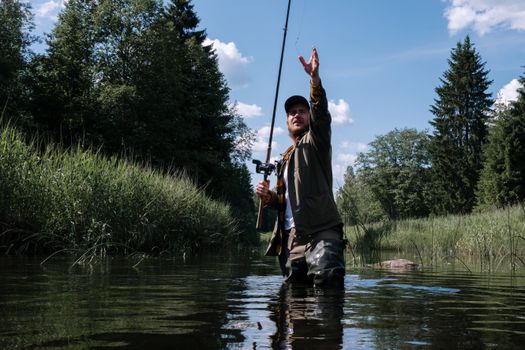
Fly fishing in the Czech Republic has a storied tradition, with its diverse rivers, crystal-clear streams, and thriving trout populations attracting anglers from all over Europe. Among seasoned enthusiasts, there’s a resurgence in using traditional split cane rods—crafted from carefully selected bamboo, these rods offer unmatched sensitivity and character. But with so many options on the market, how do you select the ideal split cane rod for Czech waters, where conditions can range from swift mountain streams to broad, slow-flowing rivers? This guide explores the key factors, unique requirements, and expert strategies to ensure your split cane rod enhances your Czech fly fishing adventures.
Understanding the Unique Demands of Czech Waters
Czech fly fishing is distinctive, shaped by the country’s varied aquatic landscapes. The Vltava, Ohře, and Otava rivers, alongside countless smaller streams, present a mix of challenges: changing currents, variable depths, and fish species ranging from wild brown trout to grayling. This diversity means that a “one-size-fits-all” approach rarely works when it comes to tackle—especially traditional split cane rods.
Key environmental facts: - Over 40,000 kilometers of rivers and streams in the Czech Republic (Ministry of Agriculture, 2023). - Average trout stream width: 5–15 meters; depth: 0.5–1.5 meters. - Typical Czech fly fishing targets: brown trout (Salmo trutta), grayling (Thymallus thymallus), and rainbow trout (Oncorhynchus mykiss).Given these conditions, your split cane rod must be suited to both nimble casting in tight quarters and delivering enough power for longer, controlled casts when the river opens up. Let’s break down the main criteria to keep in mind.
Key Split Cane Rod Characteristics for Czech Fly Fishing
To match your rod to Czech waters, focus on these essential features:
1. $1 In narrower forested streams, a 7’–8’ (2.1–2.4m) rod allows for precision and maneuverability. For larger rivers, up to 9’ (2.7m) provides greater reach and line control. 2. $1 Split cane rods are renowned for their moderate to slow action, ideal for the delicate presentations often needed in clear Czech waters. A softer action helps protect fine tippets and enables gentle fly landings. 3. $1 A 3–5 weight rod covers most Czech scenarios. Lighter rods (2–3 weight) are perfect for small stream nymphing, while 4–5 weight rods handle wind and heavier flies on broader rivers. 4. $1 Two-piece (or three-piece) rods offer easy transport and storage, important for anglers who hike between fishing locations.Let’s compare some typical options:
| Rod Length | Ideal Water Type | Recommended Line Weight | Best For |
|---|---|---|---|
| 7’–7’6” (2.1–2.3m) | Small streams, tight cover | 2–3 | Precision casting, dry flies, nymphs |
| 8’–8’6” (2.4–2.6m) | Medium rivers | 3–4 | Versatility, mixed fly types |
| 9’ (2.7m) | Large rivers, open water | 4–5 | Distance casting, streamers, heavier nymphs |
Material Quality and Craftsmanship: What to Inspect
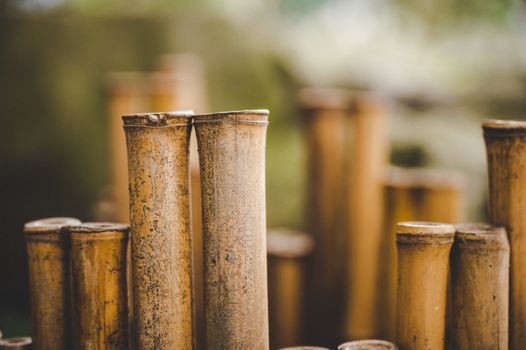
Split cane rods, unlike their synthetic counterparts, demand exceptional craftsmanship. The performance and longevity of your rod depend on the quality of the bamboo, the precision of the split and planing process, and the finishing touches.
- $1 The best split cane rods are made from Tonkin cane (Arundinaria amabilis), known for its straight fibers and dense structure. Over 95% of high-end rods use Tonkin cane from China’s Guangdong province. - $1 Evenly spaced, well-pressed nodes are a hallmark of quality. Poor node work can weaken the rod and ruin casting accuracy. - $1 Nickel silver ferrules, hand-lathed reel seats, and agate stripping guides are signs of a premium rod. Brass or aluminum fittings are less durable. - $1 A fine varnish (multiple hand-applied coats) not only enhances beauty but protects against moisture and UV damage.Before buying, inspect the rod in-person if possible. Check for smooth transitions between sections, tight ferrule fits, and any sign of gaps, glue residue, or finish irregularities. A well-crafted split cane rod should feel balanced in hand, not tip-heavy or unwieldy.
Matching Rod Action to Czech Fly Fishing Techniques
Czech fly fishing is famed for its specialized methods, notably Czech nymphing—a light-line, tight-contact style that originated in these very rivers. The rod you choose should suit the tactics you plan to use most often.
- $1 Requires a sensitive tip for detecting subtle strikes and a flexible midsection for protecting light tippets. A 9’, 3–4 weight split cane rod with a soft action is ideal for this method. - $1 For the classic upstream dry fly approach, a shorter, lighter rod (7’–8’, 2–3 weight) excels in making delicate, accurate casts beneath low-hanging branches. - $1 On larger rivers like the lower Vltava, a more powerful rod (8’6”–9’, 5 weight) can handle weighted streamers and resist wind.It’s worth noting that bamboo rods, due to their mass and action, naturally favor slower, more deliberate casting strokes. This dovetails beautifully with the finesse required in Czech waters, where stealth and subtlety often outwit trout more effectively than brute force.
Practical Considerations: Portability, Maintenance, and Cost
A split cane rod is an investment, both financially and emotionally. Beyond fishing performance, consider these practical factors:
- $1 If you plan to travel by train or on foot (common when exploring Czech rivers), opt for a three-piece rod, which fits more easily in a backpack or carry case. - $1 Bamboo is tough but not indestructible. Always dry your rod after use, avoid prolonged sun exposure, and transport it in a protective tube. - $1 Handcrafted split cane rods range from €400 for locally made models to over €2,000 for rods by renowned makers. In the Czech Republic, you can find quality artisan rods starting at €600–€800. - $1 Well-maintained split cane rods retain value and can become collectibles. Some models have appreciated by 15%–25% over the last decade, according to the European Tackle Trade Association.While modern carbon fiber rods may be lighter and cheaper, a split cane rod provides a unique connection to tradition and the subtleties of Czech fly fishing. The right rod will last a lifetime with proper care.
Expert Tips for Testing and Selecting Your Rod
To ensure your chosen rod truly fits your fishing style and local conditions, follow these expert strategies:
1. $1 Ask to test the rod with the line weight you’ll actually use. Feel for smooth loading, accurate tracking, and a comfortable grip. 2. $1 Visit Czech fly shops or contact local rod builders. They understand the nuances of Czech rivers and can recommend rods tailored to specific waters and techniques. 3. $1 A perfectly balanced outfit prevents fatigue and maximizes casting efficiency. Match your reel and line weight to the rod’s specifications. 4. $1 Many Czech craftsmen offer custom options, tailoring length, action, and aesthetics to your exact needs. Customization might cost a bit more, but the personalized fit can elevate your fishing experience.Final Thoughts: Making the Most of Your Split Cane Rod in Czech Waters
Selecting the ideal split cane rod for Czech fly fishing is about matching timeless craftsmanship with the demands of modern angling. Whether you’re nymphing for grayling on a mountain stream or casting dries on the Vltava, your rod should feel like an extension of your arm—light, responsive, and reliable. By focusing on length, action, material quality, and locally adapted features, you’ll unlock the full joy of bamboo rod fishing in one of Europe’s most beautiful fly fishing destinations.
The process may seem daunting, but taking the time to choose carefully pays off in years of memorable catches and riverside moments. Czech waters, with their variety and richness, deserve nothing less than a rod crafted with equal care.