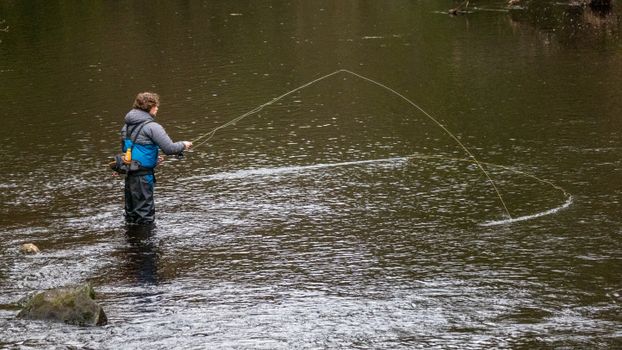
The Enduring Allure of Split Cane Fly Rods
Fly fishing is more than just a pastime; for many, it’s an art form that connects us with nature, tradition, and the simple joys of craftsmanship. Among the various fly rods available, the split cane fly rod stands out as a masterpiece of artisanal skill and engineering. Cherished by anglers worldwide, these rods are esteemed not only for their performance but also for the rich legacy and meticulous artistry woven into every piece. In this comprehensive guide, we’ll explore what makes split cane fly rods so special, how they’re crafted, and why they continue to captivate new generations of fishing enthusiasts.The Storied History of Split Cane Fly Rods
The story of the split cane fly rod begins in the late 1800s, when rod makers sought a material that could outperform solid wood. Bamboo, particularly the Tonkin and Calcutta varieties grown in China and India, emerged as the perfect candidate due to its combination of strength, flexibility, and lightness.By the early 20th century, American makers such as H.L. Leonard and E.F. Payne had refined the process of splitting and assembling bamboo strips, resulting in rods that offered unparalleled performance. During the golden age of fly fishing in the 1930s and 1940s, split cane rods became the standard for professional and recreational anglers alike.
The introduction of fiberglass and graphite in the 1950s and 1970s, respectively, shifted the market toward mass-produced rods. However, a dedicated community of craftsmen and collectors has preserved the tradition, leading to a resurgence in demand. Today, split cane rods symbolize the intersection of heritage and high performance, with some vintage rods fetching prices above $5,000 at auction.
Materials: Bamboo and Beyond
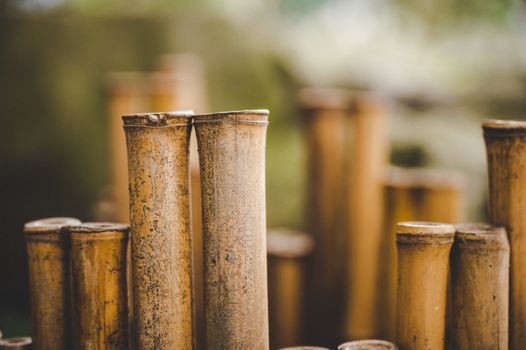
The primary ingredient in any split cane fly rod is high-quality bamboo. Not all bamboo is created equal; the most prized is Arundinaria amabilis, known as Tonkin cane, grown in the Guangdong province of China. This species is valued for its: - Dense, uniform fibers - High silica content, which adds resilience - Natural oils that protect against rot and insectsEach culm (bamboo stalk) measures about 12 feet in length and 2-3 inches in diameter. Only the bottom half, where fiber density is highest, is used for rod making. This selectivity means less than 20% of harvested bamboo is suitable for premium rods.
Aside from bamboo, the making of a split cane rod involves:
- Nickel silver or brass ferrules (to join rod sections) - Cork for the handle, chosen for its comfort and grip - Silk thread for wrapping guides - High-grade varnish or polyurethane for finishingSpecialized tools such as block planes, steel forms, and binding machines are essential. For instance, a precision block plane can cost over $100, and the forms used to shape bamboo strips can take over 40 hours to machine.
The Step-by-Step Craftsmanship of Split Cane Rods
Crafting a split cane fly rod isn’t just a technical process—it’s an act of patience and passion. Here’s what goes into making each rod: 1. $1 - The rod maker inspects each culm, cutting it to the desired length and splitting it into strips (usually 6 or 8 per rod, depending on design). - Each strip is around 1/4 inch wide and must be as straight as possible. 2. $1 - Bamboo strips are heat-cured to drive out moisture and caramelize sugars, enhancing strength and giving the rod its characteristic golden color. - Proper curing can take several hours at temperatures up to 375°F. 3. $1 - Strips are hand-planed to a precise taper, often measured in thousandths of an inch. - Makers follow detailed taper charts; for example, a classic 8-foot, 5-weight rod might have a tip diameter of 0.070 inches, swelling to 0.280 inches at the butt. 4. $1 - The planed strips are glued together using high-strength adhesives. The rod blank is then tightly bound with string, ensuring perfect alignment while the glue sets. 5. $1 - The blank is sanded smooth, ferrules are fitted and pinned, and the rod is finished with multiple coats of varnish. - Guides are wrapped with silk thread, and the handle and reel seat are installed.The entire process can take 40 to 80 hours, depending on the maker’s experience and the rod’s complexity.
Performance and Aesthetics: Why Anglers Love Split Cane Rods
Split cane rods are celebrated for their unique blend of form and function. Here’s what sets them apart: - $1: Bamboo rods offer a slower, more deliberate casting rhythm. Many anglers describe the action as "smooth" and "responsive," ideal for delicate presentations on small streams. - $1: The dense, fibrous structure of bamboo transmits vibrations well, allowing anglers to feel subtle takes and underwater movements. - $1: Each rod is a work of art, with the natural beauty of the bamboo highlighted by fine silk wraps and polished hardware. No two rods are exactly alike.A 2020 survey by the American Fly Fishing Trade Association found that 12% of dedicated fly fishers own at least one bamboo rod, and 75% of those consider it their most prized possession.
Comparing Split Cane with Modern Fly Rod Materials
Today’s fly rods are made from a variety of materials, each with its own strengths and weaknesses. Here’s how split cane stacks up:| Feature | Split Cane | Modern Materials (e.g., Graphite, Fiberglass) |
|---|---|---|
| Weight | Heavier (average 4-6 oz) | Lighter (average 2-4 oz) |
| Flex/Action | Slower, full-flex | Faster, tip-flex |
| Durability | Durable with care | Very durable, less maintenance |
| Cost | $1,000–$4,000 (custom) | $100–$1,000 |
| Aesthetic Appeal | Handcrafted, unique | Mass-produced, uniform |
While graphite rods are lighter and more affordable, many anglers find the casting experience of bamboo rods more pleasurable and memorable.
Maintaining and Caring for Split Cane Fly Rods
A split cane rod is an investment meant to last a lifetime—and possibly several generations. Proper maintenance is crucial. Here are some tips: - $1: Always dry the rod thoroughly. Bamboo can absorb moisture, leading to swelling or deformation if not stored dry. - $1: Store rods in a climate-controlled environment, ideally in a rod tube and sock. - $1: Check regularly for cracks, loose wraps, or worn ferrules. Re-varnish as needed to protect the bamboo from UV and moisture. - $1: Minor issues, like a loose guide, can be fixed at home, but major repairs should be handled by a professional rod maker.A well-maintained split cane rod can last over 50 years, as evidenced by vintage rods from the 1940s still in active use today.
Final Reflections on the Art of Split Cane Fly Rods
The tradition of crafting split cane fly rods bridges centuries of angling history. Each rod is more than just a fishing tool; it’s a testament to the patience, skill, and artistry of its maker. Whether cherished as a family heirloom, admired for its beauty, or wielded on a mountain stream, a split cane fly rod brings anglers closer to the roots of their sport.For those who value craftsmanship and connection to tradition, the split cane fly rod remains the ultimate choice. Its enduring popularity proves that, even in an age of high-tech materials, there’s still a place for hand-hewn perfection.