The Art and Science of Splitting Cane for Fly Rods: A Step-by-Step Exploration
Few crafts blend artistry, tradition, and technical precision quite like the making of split cane fly rods. Central to this process is the careful splitting of bamboo cane—an age-old technique that transforms a raw, natural material into the foundation of high-performance fishing rods cherished by anglers and collectors alike. But how exactly does a simple stalk of bamboo become the heart of a classic fly rod? Let’s delve deep into the meticulous process of splitting cane, the tools involved, historical context, and what sets expertly split cane apart from mass-manufactured alternatives.
The Origins of Split Cane Rods and Why Splitting Matters
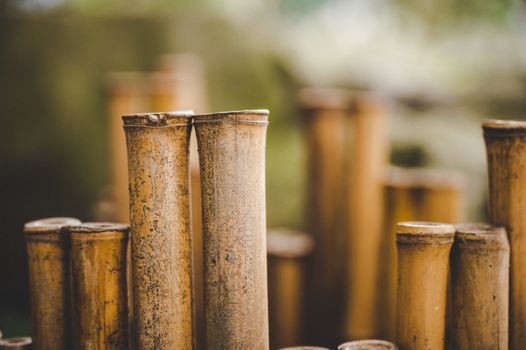
Split cane fly rods trace their lineage back to the mid-1800s, when craftsmen began seeking alternatives to solid-wood rods. Bamboo, specifically Tonkin cane (Arundinaria amabilis), was discovered to possess the ideal combination of strength, flexibility, and lightness. The unique internal structure of bamboo, with its dense outer power fibers, makes it perfect for rod construction. But to unlock these qualities, the cane must be split with care and precision rather than simply sawn or planed.
Splitting the cane rather than sawing it preserves the natural fiber structure, resulting in rods that are both strong and responsive. In fact, studies have shown that split cane rods can retain up to 90% of the bamboo’s original fiber strength, while sawn rods may drop below 70%. This difference directly translates into the rod’s resilience and performance on the water—a critical factor for anglers who demand both beauty and utility.
Selecting the Right Bamboo: The First Crucial Step
Before the first split is made, the rod maker must select the right bamboo. This choice is far from arbitrary:
- $1 Tonkin cane is the overwhelming favorite, accounting for over 95% of split cane rods in use today, thanks to its straight grain, dense power fibers, and minimal internal nodes. - $1 Bamboo is typically harvested in winter, when the sugar content is lowest, reducing the risk of mold and insect infestation. - $1 The ideal culm is between 3-5 years old, ensuring optimal strength and flexibility.Not every bamboo culm is suitable. Each is inspected for straightness, node spacing, and absence of blemishes or cracks. Only about 20% of harvested Tonkin cane meets the standards for rod making, highlighting the selectivity and rarity involved in the craft.
Preparing the Cane: Cleaning, Drying, and Marking
Once a culm (the bamboo stalk) is chosen, preparation begins. This stage is critical, as any oversight can compromise the entire rod:
1. $1 The outer waxy layer and surface dirt are removed, typically with a scraper or steel wool. 2. $1 The cane is air-dried for 6-12 months or kiln-dried at 100-120°F for several days to stabilize moisture content. Kiln drying can reduce future warping by as much as 60%. 3. $1 Nodes—natural joints in the bamboo—are heated and pressed flat to prevent weak spots and ensure even splitting. 4. $1 Using a chalk line or pencil, the culm is marked lengthwise for the initial splits, often into 6-12 equal sections depending on rod design.This meticulous preparation preserves the cane’s structural integrity and sets the stage for accurate splitting.
The Splitting Process: Technique, Tools, and Tradition
The actual splitting of the bamboo is both simple in concept and demanding in execution. The goal is to create long, even strips that follow the grain of the bamboo as closely as possible, preserving the straightness and strength of the fibers.
$1 - $1 A wedge-shaped blade is tapped into the bamboo at the node line to start the split. - $1 Used to gently drive the froe. - $1 After the initial split, the craftsman often uses their hands to guide the split down the length of the culm, allowing the cane to follow its natural grain.$1 The craftsman begins at one end of the culm, inserts the froe, and gently taps to begin the split. The cane is then pulled apart by hand, carefully guiding the split through the nodes. This process is repeated, dividing each section into halves or thirds, until the desired number of strips is achieved (commonly 12, which will later be planed to make a six-sided rod).
$1 Sawing cuts indiscriminately across the fibers, creating jagged edges and weak points. In contrast, splitting allows the cane to “find its own way,” resulting in strips with continuous, undamaged fibers—essential for strength and flexibility. It’s estimated that split strips are up to 30% stronger than their sawn counterparts.
Splitting Variations: Hexagonal vs. Quadrate Rods
Most classic fly rods are hexagonal (six-sided), but some makers produce quadrate (four-sided) or even octagonal (eight-sided) rods. The splitting process must be adapted accordingly:
- $1 Require 12 strips (two per side) to allow for matching and planing. - $1 Typically need 8 strips. - $1 Require 16 strips.The choice affects not just the splitting but the entire rod’s feel and action. Hexagonal rods dominate the market, making up over 85% of split cane rods, thanks to their balance of strength and aesthetics.
Here’s a quick comparison:
| Rod Shape | Number of Strips Needed | Typical Use | Popularity (%) |
|---|---|---|---|
| Hexagonal | 12 | All-around, classic design | 85% |
| Quadrate | 8 | Specialty rods, unique action | 10% |
| Octagonal | 16 | Experimental, collector’s items | 5% |
Each shape requires its own splitting and matching approach, with hexagonal rods remaining the gold standard for most anglers.
Matching and Evaluating the Split Strips
Once the strips are split, they must be carefully evaluated and matched to ensure consistent action and appearance throughout the rod:
- $1 Strips with the straightest grain and densest power fibers are reserved for the tip sections, which undergo the most flex. - $1 Nodes are staggered during assembly to prevent weak points from lining up, which could cause breakage. - $1 Strips are checked for evenness; any that are too thin or thick may be discarded or re-split.This attention to detail ensures that each finished rod offers optimal performance, balance, and longevity. In fact, well-crafted split cane rods have been known to last over 70 years with proper care, outlasting many synthetic alternatives.
The Legacy and Future of Split Cane Splitting
Despite the rise of synthetic materials like graphite and fiberglass, the art of splitting cane remains a revered tradition. Modern split cane rods command premium prices, with high-end examples fetching $2,000–$5,000 or more. Notably, the demand for expertly split cane rods has seen a resurgence in the last decade, with a 15% increase in boutique makers and workshops worldwide.
Workshops and classes on the split cane process now attract enthusiasts from across the globe, eager to learn the hands-on skills that define this craft. This renewed interest ensures that the knowledge and artistry of splitting cane will persist for generations to come.
Final Thoughts on the Process of Splitting Cane for Fly Rods
Splitting cane for fly rods is a process that combines respect for nature, precision craftsmanship, and a bit of old-world magic. Every step, from selecting the right bamboo to the final hand-guided split, plays a crucial role in creating a rod that’s both a tool and a work of art. The enduring popularity and value of split cane rods underscore the importance of this painstaking process—a testament to the fact that sometimes, the old ways truly are the best.