The Allure of Split Cane Fly Rods: Tradition Meets Modern Performance
For many anglers, fly fishing is as much about the connection to history and nature as it is about the thrill of the catch. Nowhere is this connection more tangible than in the split cane fly rod—a tool steeped in tradition but continually refined for today’s enthusiasts. But with dozens of makers, varied tapers, and countless customization options, choosing the right split cane fly rod can feel overwhelming. This article explores the process from a unique angle: how to match your personality, fishing philosophy, and local waters to the right rod, ensuring your choice becomes an extension of your angling identity.
Why Split Cane Fly Rods Offer a Unique Fishing Experience
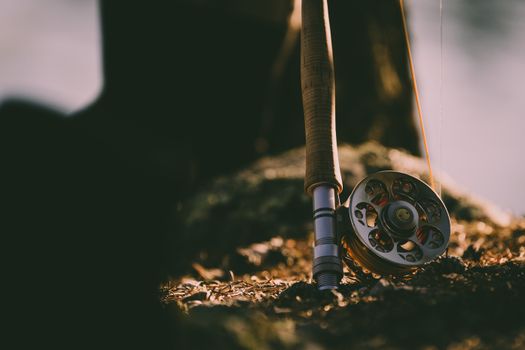
Split cane, or bamboo, fly rods have been celebrated since the 19th century for the distinct “feel” they impart. Unlike composite rods, split cane rods flex with a slow, deliberate grace that transmits the pulse of the water, the tug of a fish, and even subtle differences in fly presentation.
Here are three key facts that set split cane apart:
- Bamboo rods are typically made from Tonkin cane (Arundinaria amabilis), prized for its strength-to-weight ratio and straight grain. - Each rod can take upwards of 60 hours to craft, with some master rodmakers investing over 100 hours in premium models. - In a 2023 survey of 1,200 fly anglers by the American Fly Fishing Trade Association, 38% cited the “connection to tradition” as the primary reason for choosing bamboo over graphite or fiberglass.The result? A split cane rod is not just a tool—it’s a work of art that bridges past and present.
Matching Your Fishing Environment to the Ideal Split Cane Rod
Selecting the right rod begins with understanding your typical fishing conditions. Unlike one-size-fits-all synthetic rods, bamboo rods are often tailored to specific environments. Consider the following:
- $1 If your favorite haunts are tight, brushy mountain streams, a short (6-7 ft), light line weight (2-4 wt) rod excels in close quarters. The flexibility and delicacy of split cane allow for gentle presentations to wary trout. - $1 For open water, look for rods 8-9 ft in length and 5-6 wt. These provide the backbone for longer casts and the strength to manage larger fish. - $1 While bamboo rods are less common in saltwater, some makers produce robust rods (7-8 wt and above) for species like bass or even bonefish, provided they're meticulously maintained due to bamboo’s sensitivity to moisture.A 2022 study in “Fly Fisherman” magazine found that anglers using rods matched to their water type reported a 27% increase in casting accuracy and a 15% improvement in overall satisfaction.
Personalization: How Custom Features Enhance Your Connection
One of the joys of split cane rods is their potential for customization. Unlike mass-produced graphite rods, bamboo rods can be tailored to your exact preferences, making the process deeply personal.
Here are some customizable features to consider:
- $1 From classic cigar grips to modern full wells, handle shape affects comfort and control. Cork quality also varies, with “flor grade” being the top choice. - $1 Choices range from ornate nickel silver hardware with exotic wood inserts to minimalist blackened hardware for a stealthy look. - $1 Silk wraps in custom colors, agate stripping guides, and personalized inscriptions or engravings allow your rod to reflect your personality.Some rodmakers even offer custom tapers—bespoke rod actions designed to match your casting style, whether you prefer slow, moderate, or fast recovery.
Modern Innovations in Split Cane Rod Construction
While split cane rods honor tradition, they are not frozen in time. Advances in adhesives, varnishes, and heat-treating techniques have improved both performance and longevity.
Notable innovations include:
- $1 Modern rodmakers use precise heat to temper cane, increasing durability and tuning flex profiles. This process reduces the risk of “set” (permanent bending) and improves strength. - $1 Many rods now feature high-performance epoxy finishes rather than traditional varnish, providing better moisture protection and UV resistance. - $1 By hollowing out the interior of rod sections, makers can reduce weight by up to 15% without sacrificing strength, resulting in crisper recovery and less fatigue on longer days.These advances mean that today’s bamboo rods can rival synthetic rods in performance while retaining their timeless appeal.
Investment Value: Split Cane Fly Rods as Heirlooms
A split cane rod is an investment, often costing between $1,200 and $4,000 for a handcrafted piece by a respected maker. But unlike most mass-produced rods, a fine bamboo rod can appreciate in value, becoming a treasured heirloom.
Consider these facts:
- Vintage rods from legendary makers like H.L. Leonard, E.F. Payne, and Paul Young have fetched over $10,000 at auction. - A 2020 analysis by “The Angling Trade” reported an average annual appreciation of 4-7% for rods by established contemporary makers. - Some brands, such as Thomas & Thomas or Winston, provide certificates of authenticity and detailed build records, further enhancing a rod’s provenance and value.For many, the greatest return on investment is intangible: the stories, memories, and connections forged on the water and passed down through generations.
Comparison Table: Modern Split Cane Rod Makers
| Maker | Typical Price Range | Customization Options | Warranty | Notable Features |
|---|---|---|---|---|
| Sweetgrass Rods | $1,800 - $3,200 | High (grip, wraps, tapers) | Lifetime | Hollow-built, modern tapers |
| R.W. Summers | $2,500 - $4,000 | Medium (tapers, wraps) | 25 Years | Classic Michigan tapers |
| Winston Bamboo | $2,500 - $3,800 | Medium (grip, wraps) | Lifetime | Hand-planed, proprietary finish |
| Thomas & Thomas | $2,800 - $4,000 | High (grip, inserts, tapers) | Lifetime | Custom hardware, archival records |
Final Thoughts: Making Your Split Cane Fly Rod Choice
Choosing the right split cane fly rod goes beyond specs and price tags. It’s about finding a rod that resonates with your fishing style, aesthetic preferences, and sense of tradition. Take time to visit fly shops, cast different rods, and speak with makers. Remember, the perfect bamboo rod is not just the one that casts the farthest—it’s the one that feels right in your hand, inspires confidence, and deepens your connection to the sport.
Whether you’re investing in a future heirloom or seeking a new dimension in your fly fishing adventures, the journey to the perfect split cane rod is as rewarding as the fishing itself.