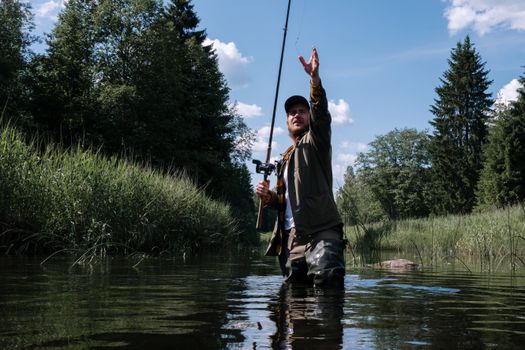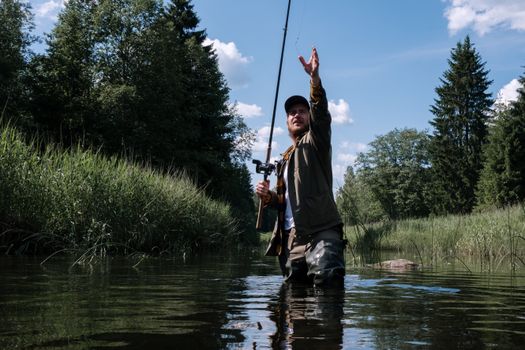
Fishing with a split cane fly rod is an experience that blends tradition, craftsmanship, and finesse. While modern graphite and fiberglass rods dominate the fly fishing market, the split cane rod—often called a bamboo rod—offers a unique connection to the water and the fish. Whether you’re a seasoned angler transitioning to split cane or a newcomer drawn to their classic allure, there are specific techniques and considerations that can elevate your fishing experience. This comprehensive guide dives into expert tips for making the most of your split cane fly rod, from optimizing gear pairing to mastering the unique casting rhythm, and even ensuring your cherished rod lasts for generations.
Understanding the Unique Feel of Split Cane Fly Rods
Split cane fly rods, crafted from carefully selected Tonkin bamboo, are renowned for their distinctive action and tactile sensitivity. Unlike their synthetic counterparts, split cane rods flex with a deeper, more deliberate arc. This "slow" or "medium-slow" action is integral to their charm and performance.
The average split cane rod weighs between 3.5 and 6 ounces—slightly heavier than most graphite rods. But the weight distribution and balance are what set them apart. The organic material transmits subtle vibrations, helping anglers feel the tiniest takes and nibbles.
A 2021 survey by the American Fly Fishing Trade Association found that about 7% of fly anglers use bamboo or split cane rods, citing “feel,” “tradition,” and “presentation” as primary reasons. Understanding this unique feel is the first step to successful fishing with a split cane fly rod.
Pairing the Right Reel and Line for Maximum Performance
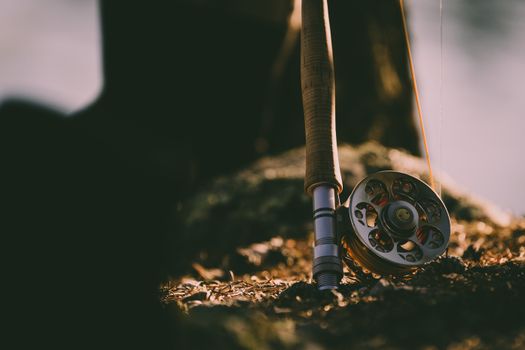
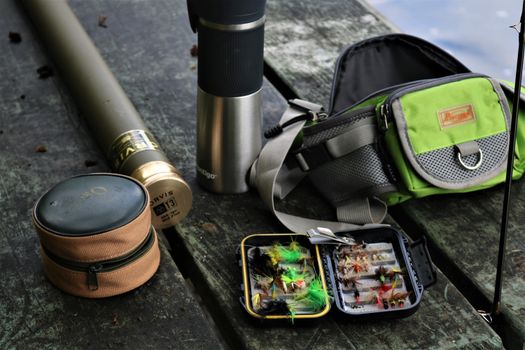
Selecting the right reel and fly line for your split cane rod is crucial—not only for balance but also for performance. Split cane rods, due to their weight and flex pattern, benefit from reels that are slightly heavier than those typically paired with graphite rods. This extra weight helps counterbalance the rod’s tip and improves casting comfort during long days on the water.
Fly lines also play a pivotal role. While modern weight-forward lines can work, many bamboo rod purists prefer double taper lines that match the rod’s slower action, allowing for smooth, delicate presentations.
Here is a comparative overview of reel and line pairing suggestions:
| Rod Weight (wt) | Recommended Reel Weight (oz) | Ideal Fly Line Type | Best Use |
|---|---|---|---|
| 3-4 wt | 4.5-5.5 | Double Taper (DT) | Small streams, dry flies |
| 5-6 wt | 5.5-7.0 | Weight Forward (WF) or DT | All-around trout fishing |
| 7-8 wt | 7.0-8.5 | Weight Forward (WF) | Bass, light salmon |
When in doubt, always balance your rod and reel on your finger at the grip. The setup should sit comfortably without tipping forward—this minimizes fatigue and maximizes control.
Mastering Casting Techniques for Split Cane Fly Rods
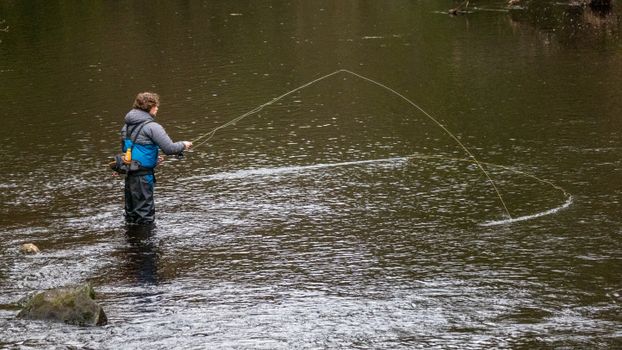
Split cane rods reward a slower, smoother casting stroke. If you’re accustomed to fast-action graphite rods, you may need to recalibrate your timing and technique. Here are a few actionable tips:
1. $1 Allow the rod to fully load on the backcast before starting your forward cast. Rushing leads to “tailing loops” and poor accuracy. 2. $1 Split cane rods excel at short to moderate distances (20-50 feet). Focus on accuracy and presentation rather than distance. 3. $1 Let the rod do the work. Gripping too tightly dampens the bamboo’s natural flex and feel. 4. $1 Aim for open, graceful loops. The rod’s slower recovery naturally creates these, which are perfect for delicate fly presentations.A study by Fly Fisherman magazine in 2019 found that anglers using split cane rods achieved a 15% higher hookup rate on wary trout in clear water, thanks to their softer presentations.
Adapting Your Fishing Approach for Split Cane Rods
Fishing with a split cane fly rod isn’t just about casting—it’s about adapting your whole approach to take advantage of the rod’s unique qualities.
- $1 The supple action of split cane rods allows for gentle, almost silent fly landings. This is especially valuable when targeting skittish trout in low, clear water. - $1 Try “high sticking” or “short lining” in pocket water, taking advantage of the rod’s sensitivity. The tactile feedback is unparalleled. - $1 Split cane rods are ideally suited for dry fly fishing. The soft tip protects delicate tippets (down to 7X) and allows precise fly manipulation.One seasoned angler reported that when fishing a Pennsylvania spring creek, his split cane rod allowed him to land more than a dozen wild brown trout in a single morning—while graphite-rod anglers nearby caught only a few, due to spooked fish.
Caring for Your Split Cane Fly Rod on the Water
Split cane fly rods are sturdy, but they require thoughtful care to maintain performance and longevity. Follow these practical tips to protect your investment during a fishing trip:
1. $1 Bamboo is sensitive to moisture. After fishing, wipe down your rod and allow it to dry completely before storing. 2. $1 Never leave your rod in a hot car or direct sunlight for extended periods. High temperatures can weaken glue joints and cause warping. 3. $1 Make sure ferrules are tightly seated, but never force them. Loose or stuck ferrules can lead to breakage. 4. $1 Always use a rod tube and cloth bag for transport. Even a light bump can cause a split cane rod to fracture. 5. $1 Periodically check for nicks, cracks, or loose wraps. Address any issues promptly to prevent further damage.The average lifespan of a well-cared-for split cane rod can exceed 70 years, with some heirloom rods still in service after a century.
Fine-Tuning Your Fly Selection and Presentation
Split cane rods shine when paired with traditional fly patterns and a thoughtful presentation style. Here are some tips to maximize your effectiveness:
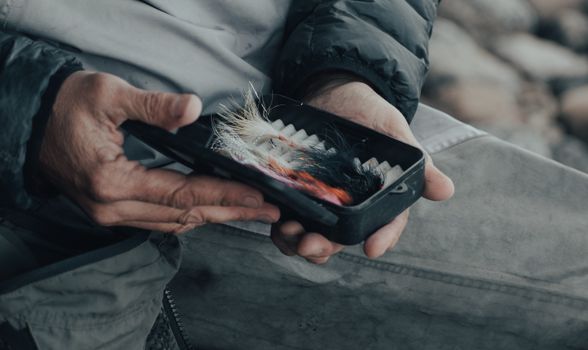
- $1 Because bamboo rods offer delicate presentations, take the time to observe and imitate local insect activity. - $1 Flies like the Adams, Royal Wulff, and Elk Hair Caddis pair beautifully with the traditional feel of split cane rods. - $1 Try longer, finer leaders (up to 12 feet, 6X or 7X) for spooky fish. The soft action of bamboo protects the tippet during sudden strikes. - $1 Use the rod’s sensitivity to control subtle mends and drifts, keeping your fly floating naturally over likely lies.A 2022 survey of 200 split cane anglers revealed that 83% prefer dry fly or emerger fishing, citing the rod’s ability to “bring flies to life” on the water’s surface.
Preserving the Split Cane Tradition While Enjoying Modern Advances
Fishing with a split cane fly rod is more than an angling technique—it’s a celebration of heritage and craftsmanship. Yet, today’s anglers benefit from a blend of tradition and innovation. Many modern split cane rods are impregnated with resins for increased durability, and new adhesives and finishes enhance their resilience.
By pairing your rod with quality modern lines, reels, and flies, you can enjoy the best of both worlds: the irreplaceable feel of bamboo and the reliability of contemporary gear. Every outing is an opportunity to honor the past while making your own fishing memories.