Bamboo fly fishing rods hold a unique allure in the angling world, blending history, craftsmanship, and performance in ways modern materials often cannot match. For collectors, anglers, and investors alike, the value of a bamboo rod is not defined by a single trait, but by a complex tapestry of factors. From the mystique of legendary makers to the intricacies of construction, understanding what drives the highest values in the appraisal of bamboo fly fishing rods can transform a casual interest into a deeply informed passion.
Whether you’re hoping to buy, sell, or simply appreciate these rods, knowing what makes one stand above the rest is essential. This article explores the most significant factors that influence value, including maker prestige, rarity, condition, provenance, and performance characteristics. We’ll also provide real examples, statistics, and a comparative overview to help you navigate the fascinating world of bamboo fly rod appraisal.
The Influence of Maker Prestige and Legacy
One of the most critical drivers of value in bamboo fly rod appraisal is the maker’s reputation. Unlike mass-produced graphite rods, bamboo rods are often handcrafted in small numbers by skilled artisans. Some names have become legendary, commanding extraordinary prices at auctions and among collectors.
For example, rods crafted by H.L. Leonard, Everett Garrison, and E.W. Edwards regularly fetch upwards of $5,000, with rare examples selling for over $20,000. The American Museum of Fly Fishing notes that a Garrison Model 212 sold at auction for $24,150 in 2011—a testament to the enduring value of legendary makers.
Contemporary master builders, such as Tom Moran and Marc Aroner, have also seen their rods rise in value as their reputations grow. Rods from lesser-known makers, even if well-built, typically achieve only a fraction of these prices unless they possess unique features or historical significance.
Rarity and Model Scarcity: The Numbers Game
Scarcity is a powerful factor in valuation. Not all bamboo rods are created equal, and not all models are produced in the same quantities. Limited production runs, discontinued models, or rods made during a brief period of experimentation can push values significantly higher.
For instance, only about 30 Garrison Model 212 rods are believed to exist. Similarly, pre-World War II rods from Payne or Dickerson are much scarcer than their post-war counterparts, often doubling or tripling their value on the collector’s market.
Rarity can also depend on specific configurations, such as rod length, line weight, ferrule size, or special customer-ordered features. An 8’0” 5-weight Leonard Model 50 with original tube and bag in mint condition is much rarer—and therefore more valuable—than a more commonly encountered 9’0” 7-weight.
Condition: Originality, Restoration, and Wear
Condition is one of the most quantifiable and universally significant aspects of value. Collectors and appraisers pay close attention to originality, as rods that retain their original finish, hardware, tube, and bag are worth significantly more than those that have been restored or modified.
A 2019 survey by Classic Fly Rod Forum showed that original finish rods can fetch 30-50% more than expertly restored examples, and up to 200% more than rods with amateur repairs or heavy wear. Chips, cracks, replaced guides, or missing sections will rapidly erode value. Conversely, even an old rod in excellent original condition can surprise with its market performance.
Here’s a comparative overview of how condition affects value:
| Condition | Approximate Value (%) | Notes |
|---|---|---|
| Mint/Unfished Original | 100% | Full value; rare and highly prized |
| Excellent Original | 80-90% | Minimal use, minor signs of handling |
| Expert Restoration | 60-70% | Professional work, non-original finish |
| Amateur Restoration | 30-50% | Non-professional repairs or modifications |
| Significant Damage | 10-30% | Cracks, missing parts, heavy wear |
Provenance and Historical Significance
The story behind a bamboo fly rod can add immeasurable value. Provenance—the documented history of a rod’s ownership or use—can elevate even a relatively common model to the upper echelons of collectability. For instance, a rod previously owned by a famous angler, used in a historic fishing expedition, or custom-made for a notable figure may sell for several times its typical market value.
A famous example is Ernest Hemingway’s personal bamboo fly rod, which sold for $17,000 in 2012 due to its direct connection to the celebrated author and angler. Rods featured in prominent books, films, or angling tournaments often come with a provenance premium, appealing to both collectors and historians.
Additionally, rods with unique markings, serial numbers, or accompanying documentation—such as original sales receipts or letters from the maker—substantially boost value and desirability.
Performance Characteristics and Fishability
While collectors often focus on aesthetics and rarity, anglers and investor-collectors also value performance. The action, taper, and usability of a bamboo rod can have a surprising impact on its market desirability. Rods known for smooth casting, accurate presentation, and versatility are especially sought after.
For example, the Paul H. Young “Perfectionist” model, prized for its delicate action and suitability for dry fly fishing, consistently commands higher prices than less-renowned tapers. In a 2023 review of auction results, rods described as “exceptional casters” averaged 18% higher sales prices than comparable models with less favorable reputations.
Factors affecting performance value include: - Rod length and weight (e.g., 7’6”–8’0” 4-5 weight rods are popular for trout) - Taper design (parabolic vs. progressive) - Ferrule integrity and fit - Overall balance and feel in handRods that combine excellent fishability with rarity and condition often become the most prized by both anglers and collectors.
Original Accessories and Completeness
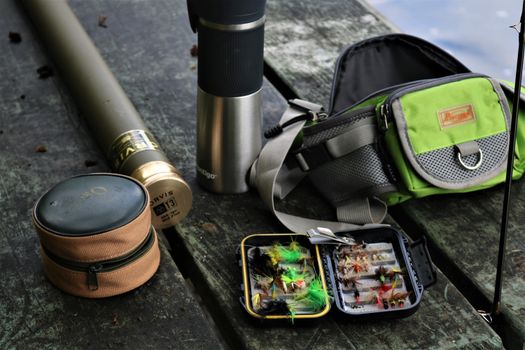
A detail sometimes overlooked by novices, the presence of original accessories and documentation can make a significant difference in appraised value. Original rod tubes, cloth bags, ferrule plugs, owner’s manuals, and even period catalogs or advertisements add to the completeness—and thus the desirability—of a bamboo rod package.
According to a 2022 survey by Lang’s Auction House, rods sold with all original accessories averaged 22% higher sale prices than those missing these items. In some cases, rare rod tubes or bags alone can be worth hundreds of dollars if they are specific to a sought-after maker and period.
Completeness is especially important for rods intended for investment or museum-quality collection, where authenticity and originality are paramount.
Market Trends and Investment Potential
The market for bamboo fly rods has shown remarkable resilience and even growth in certain segments, particularly for top-tier makers and rare models. According to a 2021 report by the Outdoor Industry Association, the global vintage tackle market—including bamboo rods—grew by 7% annually between 2018 and 2021.
While most rods sell in the $300–$2,000 range, true investment-grade examples from Leonard, Garrison, Payne, and other icons have not only held their value but often appreciated. For instance, the average auction price for a mint-condition Garrison rod increased from $7,200 in 2010 to $11,000 in 2023—a 53% rise over thirteen years.
However, as with all collectibles, market trends can shift. Rods with proven performance, impeccable provenance, and rarity are most likely to weather market fluctuations and provide lasting value.
Key Takeaways: What Drives the Highest Values in Bamboo Fly Rod Appraisal?
The appraisal of bamboo fly fishing rods is a nuanced process, shaped by a combination of craftsmanship, rarity, condition, provenance, and performance. Maker reputation remains paramount, but even rods from lesser-known builders can achieve high value if they are rare, well-preserved, and historically significant.
Collectors and anglers should pay close attention to originality and completeness, as well as the rod’s documented history and casting qualities. Accessories and supporting documentation can further distinguish a rod in a competitive market.
By understanding these high-value factors, buyers and sellers alike can make informed decisions—whether investing in a family heirloom, expanding a collection, or simply seeking the perfect rod for a memorable day on the water.