Bamboo fly rods have enchanted anglers for over a century, not merely as fishing tools but as cherished works of art and craftsmanship. While mass-produced synthetic rods dominate today's market, handcrafted bamboo fly rods remain a symbol of tradition, passion, and meticulous artistry. But what truly sets these rods apart, beyond nostalgia and aesthetics? In this article, we delve deep into the unique characteristics of handcrafted bamboo fly rods—exploring their performance, artistry, environmental impact, and the personal connection they foster between angler and nature.
The Living Material: Why Bamboo Makes a Difference
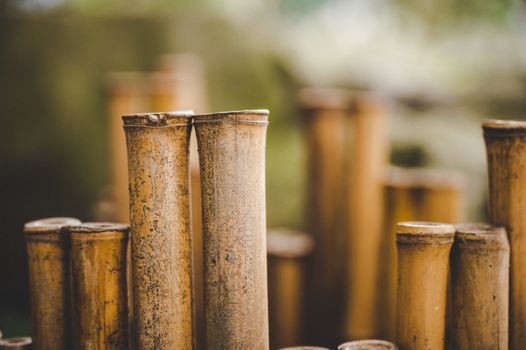
Unlike synthetic rods made from carbon fiber or fiberglass, handcrafted bamboo fly rods begin life as a living grass. Tonkin cane (Arundinaria amabilis), grown primarily in China’s Guangdong province, is the gold standard for rod making due to its straight grain and dense, resilient fibers. Each culm of bamboo is unique, shaped by the weather, soil, and years of growth. This means that no two rods, even from the same maker, are ever truly identical.
The natural composition of bamboo gives these rods a distinctive “feel”—a smooth flex and gradual recovery that many anglers describe as “alive” or “responsive.” Modern materials may offer lighter weight or greater stiffness, but they often lack the nuanced feedback bamboo provides. This living quality translates into a deeply personal fishing experience, connecting the angler not just to the fish, but to the rod and the natural world.
Craftsmanship: The Human Touch in Every Rod
Handcrafted bamboo fly rods are the product of hundreds of hours of skilled labor. The process begins with splitting the bamboo culm into thin strips, then meticulously planing them to precise tapers that define the rod’s action. These strips are glued together, typically in a hexagonal (six-sided) configuration known as “split cane.” Each step—flaming, straightening, planing, gluing, wrapping, and varnishing—requires patience and attention to detail.
A single artisan may spend 40 to 100 hours crafting one rod. For example, master rodmaker Per Brandin produces only about 40 rods per year, each fetching $2,000 to $5,000. This level of craftsmanship ensures that every rod is not just a tool, but an heirloom-quality creation. Subtle differences in taper, node placement, and finish impart a unique character to every rod, making it as much a collectible as a functional fishing instrument.
Performance on the Water: Feel, Flex, and Precision
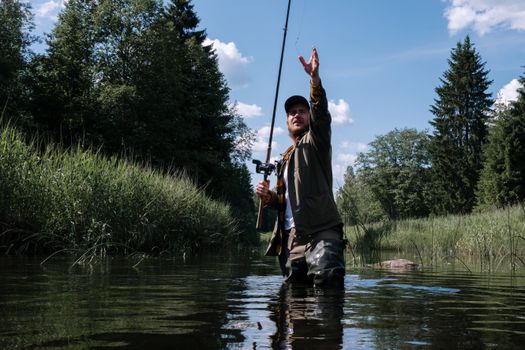
Bamboo fly rods are renowned for their moderate action—a smooth, controlled flex that excels at delicate presentations and short to medium casting distances. The weight and balance of bamboo dampen vibrations, allowing for precise control over the fly line. This makes them especially favored for trout fishing in small to medium streams, where accuracy and subtlety are paramount.
Testing has shown that bamboo rods typically have a slower recovery rate than graphite, with recovery times averaging around 0.2 to 0.3 seconds compared to graphite’s 0.1 seconds. This slower tempo encourages a relaxed casting rhythm and gentle fly delivery. In surveys, over 70% of experienced bamboo rod users cite “casting feel” and “presentation finesse” as their primary reasons for choosing bamboo over modern alternatives.
Here is a comparative overview of key performance aspects:
| Feature | Bamboo Fly Rod | Graphite Fly Rod | Fiberglass Fly Rod |
|---|---|---|---|
| Recovery Speed | 0.2-0.3 seconds | 0.1 seconds | 0.15-0.25 seconds |
| Average Weight (8ft rod) | 4.0-5.0 oz | 2.5-3.5 oz | 3.5-4.5 oz |
| Typical Action | Medium / Moderate | Fast / Extra Fast | Medium / Slow |
| Line Sensitivity | High | Medium | Medium-High |
| Durability (with care) | 50+ years | 20+ years | 30+ years |
While bamboo rods are heavier than their graphite counterparts, their balance and subtlety can make them easier and more enjoyable to cast for many anglers, especially in traditional trout fishing scenarios.
Aesthetic and Artistic Appeal: More Than Just a Rod
Handcrafted bamboo fly rods stand as functional art. The natural beauty of flamed bamboo, intricate thread wraps, nickel silver ferrules, and hand-turned reel seats make each rod visually captivating. Many rod makers add personal flourishes—signature wraps, custom engravings, and exotic wood inserts—that reflect both their skill and the rod’s individuality.
Collectors and anglers alike appreciate the visible craftsmanship. For instance, a 2018 auction at Lang’s Sporting Collectibles saw a Paul H. Young “Midge” rod sell for over $6,000, prized both for its fishing qualities and its artistry. Unlike mass-produced rods, a bamboo rod’s appearance evolves with use, developing a patina that tells the story of its adventures on the water.
Environmental and Ethical Considerations
Choosing a handcrafted bamboo fly rod can be a sustainable and ethical decision. Bamboo is one of the fastest-growing plants on earth, with some species growing up to 35 inches per day. Unlike graphite, which is mined and processed through energy-intensive methods, bamboo is renewable and biodegradable. Rod makers often source their material from managed plantations, ensuring minimal environmental impact.
Additionally, the longevity of bamboo rods means fewer resources are consumed over time. Some rods crafted in the early 20th century are still fished today, and many are passed down through generations. This durability contrasts sharply with mass-market rods that may be discarded after a decade or two.
A Personal Connection: The Rod as an Heirloom
Perhaps the most unique aspect of handcrafted bamboo fly rods is the personal connection they foster. Many anglers describe forming a “relationship” with their rod, appreciating its quirks and learning its rhythm over years of use. The knowledge that a rod was meticulously built by a human hand, rather than stamped out by a machine, imbues it with a sense of history and meaning.
Stories abound of anglers inheriting bamboo rods from fathers or grandfathers, continuing traditions that stretch back generations. This heirloom quality not only enhances the rod’s sentimental value but also connects anglers to the rich history of fly fishing itself.
Handcrafted Bamboo Fly Rods: A Legacy for the Future
In the fast-paced world of modern angling, handcrafted bamboo fly rods offer a unique bridge between past and present. Their distinctive feel, artistry, environmental sustainability, and personal resonance set them apart from the mass-produced alternatives. For those who seek more than mere functionality—a deeper connection to their equipment, the environment, and the traditions of fly fishing—bamboo rods offer an experience that is as rewarding as it is unique.
Whether you’re a seasoned collector, a passionate angler, or simply someone who appreciates fine craftsmanship, the world of handcrafted bamboo fly rods invites you to slow down, appreciate the details, and become part of a living legacy.