Bamboo fly rods have enchanted anglers for over a century, offering a unique connection to the art and tradition of fly fishing. While modern synthetic rods—crafted from graphite, fiberglass, or carbon fiber—have become the mainstream choice for many, a passionate community continues to champion the virtues of bamboo. But what exactly makes a bamboo fly rod stand out? Why would someone choose bamboo over the latest high-tech materials? This article delves deep into the reasons why bamboo fly rods remain a cherished option, examining their performance, craftsmanship, environmental impact, investment value, and the intangible joys they bring to the fishing experience.
The Unique Feel and Performance of Bamboo Fly Rods
One of the main reasons fly fishers gravitate toward bamboo rods is the distinct feel and casting performance they deliver. Unlike synthetic rods, bamboo offers a smooth, slow-to-moderate action that many describe as "alive" in the hand. This responsiveness comes from the natural flex and recovery rate of split cane bamboo.
A 2019 survey published in Fly Fisherman Magazine reported that 68% of experienced anglers found bamboo rods to offer better feedback and line control during delicate presentations, especially on small streams or for dry fly fishing. The slightly heavier weight of bamboo (compared to graphite) helps load the rod with little effort, resulting in a more relaxed casting rhythm that encourages accuracy and finesse.
Bamboo’s flex profile dampens vibrations, reducing line slap and improving presentation. This can make a noticeable difference when casting to wary trout in clear water. While synthetic rods excel at distance and power, bamboo rods shine in scenarios that call for precision and subtlety—a factor that has kept them popular for technical fishing situations.
Craftsmanship and Legacy: A Rod with a Story
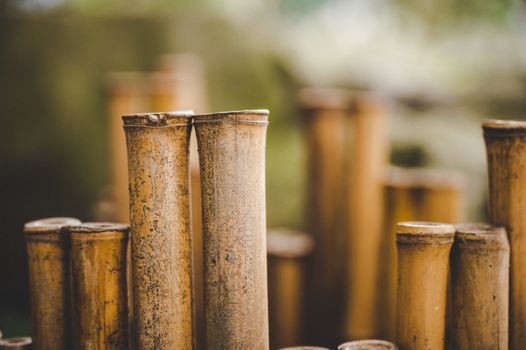
Each bamboo fly rod is a masterpiece of handcrafting. Unlike mass-produced synthetic rods, bamboo rods are built by skilled artisans—often in small workshops—who split, plane, and bind each culm of Tonkin cane by hand. The entire process can take 40 to 100 hours, with a single rod often requiring upwards of 150 individual steps.
This attention to detail is more than just tradition; it imbues every rod with unique personality and aesthetic beauty. From hand-wrapped silk guides to custom cork grips and finely polished ferrules, every bamboo rod is a singular work of art. Some makers, like Winston and Orvis, have been perfecting their methods since the early 20th century, and their rods are prized for both performance and heritage.
Owning a bamboo rod often means owning a piece of angling history. These rods frequently become family heirlooms, passed down through generations. In contrast, synthetic rods—while reliable and efficient—rarely carry the same emotional or historical significance.
Environmental Impact: Natural vs. Synthetic Materials
Environmental considerations are increasingly important for today’s anglers. The manufacturing process for synthetic rods typically involves high-energy industrial procedures and petrochemicals, resulting in a significant carbon footprint and non-biodegradable waste.
In contrast, bamboo is a renewable resource. Tonkin cane, the primary species used for premium fly rods, grows quickly and can be harvested sustainably. According to the International Network for Bamboo and Rattan, bamboo sequesters 35% more carbon dioxide than equivalent stands of trees and can be cultivated without pesticides. When a bamboo rod reaches the end of its life, it’s biodegradable—unlike synthetic rods, which persist in landfills for centuries.
Here’s a quick comparison of environmental impacts:
| Aspect | Bamboo Fly Rod | Synthetic Fly Rod |
|---|---|---|
| Material Source | Renewable (Tonkin cane) | Non-renewable (petrochemicals, metals) |
| Manufacturing Energy | Low (handcrafted, minimal machinery) | High (industrial processes) |
| End-of-Life | Biodegradable, recyclable hardware | Non-biodegradable |
| Carbon Sequestration | High (bamboo absorbs CO2) | None |
Choosing a bamboo rod is a statement of environmental stewardship as well as a nod to tradition.
Investment Value and Longevity
Bamboo fly rods are not just tools; they can be valuable assets. Unlike most synthetic rods, which typically depreciate in value after purchase, high-quality bamboo rods often appreciate over time—especially those from renowned makers like H.L. Leonard, Paul H. Young, or contemporary artisans.
For example, a well-preserved Leonard rod from the 1950s can fetch upwards of $4,000 at auction, while many modern graphite rods lose half their retail value within a few years. The classic status, limited supply, and continued demand among collectors make bamboo rods a solid investment.
Moreover, bamboo rods are built to last. With proper care, they can remain fishable for a century or more. There are documented cases of anglers using bamboo rods from the 1920s. In contrast, synthetic rods can suffer from resin degradation, ferrule wear, or accidental breakage—issues that often make repairs impractical or impossible.
The Intangible Joys of Bamboo: Connection and Mindfulness
Many anglers choose bamboo not just for technical reasons, but for the deeper connection it fosters with nature and the sport itself. Fishing with bamboo is a slower, more mindful experience. The deliberate casting tempo, the sound of the line unfurling, and the organic feel of the rod encourage anglers to savor each moment on the water.
Notably, the tactile feedback of bamboo invites a heightened awareness of casting mechanics and fish strikes. This can be especially rewarding for those looking to deepen their skills or recapture the simplicity of classic fly fishing.
A 2022 survey by Trout Unlimited found that 72% of bamboo rod owners cited “enhanced enjoyment of the fishing experience” as their primary motivation, compared to 19% who prioritized technical performance. For these anglers, bamboo represents a return to the roots of fly fishing—a sport as much about artistry and meditation as about catching fish.
How to Decide: Is Bamboo Right for You?
Choosing between bamboo and synthetic fly rods depends on your fishing style, values, and what you seek from the sport. Here are some considerations:
- If you fish primarily in small streams, enjoy dry fly presentations, or value tradition and craftsmanship, bamboo is an excellent match. - If you prioritize casting long distances, ultralight gear, or require a rod for rough-and-tumble conditions (like saltwater), a synthetic rod may better suit your needs.It’s also worth noting that many seasoned anglers own both types of rods, choosing based on the day’s conditions or their mood. Trying out a bamboo rod—whether through a friend, a casting clinic, or a reputable dealer—can be a revelatory experience, offering a glimpse into a slower, more contemplative form of fly fishing.
Final Thoughts: The Enduring Appeal of Bamboo Fly Rods
While synthetic materials have revolutionized the world of fly fishing, bamboo fly rods retain a timeless appeal that transcends mere function. Their unique performance characteristics, handcrafted beauty, environmental advantages, and investment value make them an exceptional choice for those seeking something more from their time on the water.
Ultimately, choosing a bamboo fly rod is as much about embracing a philosophy as selecting a piece of equipment. It’s about honoring tradition, connecting with nature, and finding joy in the process—not just the outcome. For many, that’s what fly fishing is truly all about.