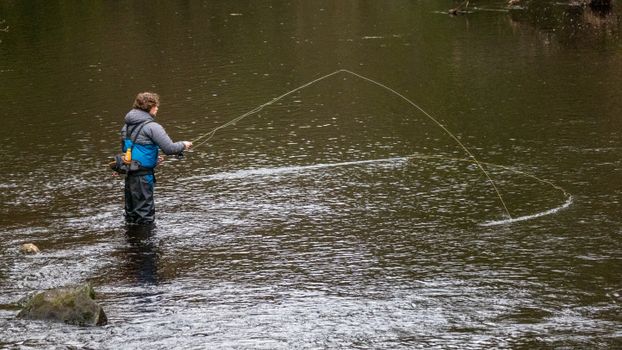
Antique split cane rods represent more than just tools for fishing; they embody a legacy of craftsmanship, history, and artistry. For collectors, anglers, and investors alike, understanding their value and learning how to properly assess these rods is a fascinating journey into the world of angling heritage. Whether you’ve inherited a rod, spotted one at an estate sale, or are simply curious about their worth, a deeper look into what makes these rods valuable and how to evaluate them can be both rewarding and practical.
The Allure and Value of Antique Split Cane Rods
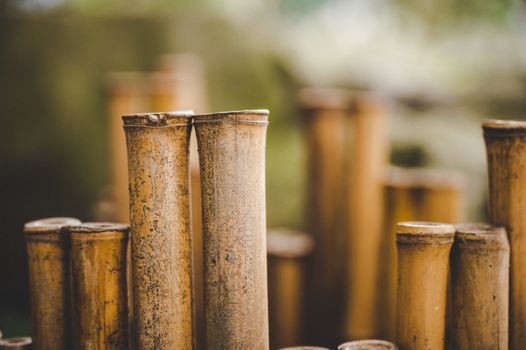
Split cane rods, commonly known as bamboo rods, rose to popularity in the late 19th and early 20th centuries, particularly between 1870 and 1950. Their construction—using hand-split strips of Tonkin bamboo, meticulously glued and shaped—set a new standard for sensitivity and performance. By the 1930s, makers like Hardy, Leonard, and Payne had turned rod-making into an art form, with some rods taking over 60 hours to craft.
Today, the value of an antique split cane rod depends on a blend of factors: rarity, maker, condition, provenance, and demand. For example, a Payne rod from the 1930s in excellent condition could fetch $3,000 to $8,000 at auction, while a mass-produced Montague rod from the same era might only be valued at $200 to $400. Notably, in 2014, a Garrison Model 212 sold for a record $16,000, highlighting how collector interest can drive prices to remarkable heights.
The market for these rods remains robust. According to a 2023 survey by Antique Rod & Reel Collectors Association, the average value of a collectible split cane rod was $1,200, with 12% of rods appraised at over $5,000. This enduring demand is fueled by both nostalgia and the unique fishing experience these rods offer.
Key Factors That Determine the Value of Antique Split Cane Rods
Assessing value isn’t simply about age. Several critical elements influence the price and desirability of a split cane rod:
1. Maker and Brand: The most celebrated makers—Payne, Leonard, Garrison, Hardy, Winston, and Edwards—command premium prices. Lesser-known or mass-produced brands are typically less valuable unless they possess unique qualities. 2. Condition: Original finish, wraps, guides, and hardware are vital. Restorations can diminish value, especially if not performed by a recognized expert. Cracks, missing sections, or heavy wear significantly reduce worth. 3. Rarity: Limited production runs, rare models, or rods made for special occasions (like tournament rods) often fetch higher prices. 4. Provenance: Documentation or provenance linking a rod to a notable angler, maker, or historical event can increase value dramatically. 5. Length and Configuration: Some lengths and configurations (e.g., three-piece rods, rods with extra tips) are more desirable to collectors and anglers alike. 6. Accessories: Original rod tubes, bags, labels, and paperwork can add hundreds or even thousands to a rod’s value.Assessing and Appraising Antique Split Cane Rods: Step-by-Step
Evaluating an antique split cane rod’s value requires a methodical approach:
1. Identify the Maker and Model: Look for maker’s marks, serial numbers, or decals on the rod butt or reel seat. Many high-end rods bear clear engravings or hand-written signatures under the varnish. 2. Inspect Condition: Examine the rod for cracks, delamination, missing guides, or repairs. Use a soft cloth to gently clean dirt, revealing more details. Authentic rods will have patina but not excessive damage. Check for originality of wraps and hardware. 3. Measure and Document: Note the rod’s length, number of sections, and tips. Measure ferrule sizes and record the weight. Take clear photos, especially of any markings or unusual features. 4. Research Comparable Sales: Use recent auction results, collector forums, and dealer price lists. Sites like Lang’s Auctions, eBay, and the Classic Fly Rod Forum are valuable resources. 5. Seek Expert Appraisal: For high-value or rare rods, a professional appraisal is recommended. Certified appraisers or recognized dealers can authenticate and provide market-based valuations.| Factor | High-Value Rods (Example: Payne, Garrison) | Mid-Range Rods (Example: Heddon, Granger) | Low-Value Rods (Example: Montague, South Bend) |
|---|---|---|---|
| Typical Price Range | $3,000 - $16,000+ | $500 - $2,500 | $100 - $500 |
| Main Value Drivers | Rarity, condition, provenance, original accessories | Good condition, complete, known models | Usability, decorative appeal |
| Collector Demand | High | Moderate | Low |
| Restoration Impact | Can decrease value if not expertly done | Moderate impact, depending on quality | Minimal impact |
Understanding the Market: Where and How Antique Rods Are Sold
The market for antique split cane rods is dynamic and global. Here are the main venues and trends to consider:
- Auctions: Both specialty auctions (Lang’s, Mullock’s) and major houses (Sotheby’s, Bonhams) handle valuable rods. Auction records show steady demand, with rare items often exceeding estimates. - Online Marketplaces: eBay and Etsy are popular for mid-range and lower-value rods. Transparency in photos, descriptions, and history is crucial for successful sales. - Specialist Dealers: Many dealers specialize in vintage tackle and offer rods for sale or consignment. They often provide guarantees and expert insight, but commissions can be 10-25%. - Collectors’ Shows and Forums: Events such as the Catskill Fly Fishing Center’s annual gathering and online forums facilitate direct sales, swaps, and networking.Notably, the COVID-19 pandemic shifted much of the market online, with 2021 seeing a 22% increase in rod listings on major auction platforms compared to 2019.
Spotting Fakes and Avoiding Common Pitfalls
As the value of antique split cane rods has risen, so too has the prevalence of forgeries and misrepresented rods. Here are key warning signs and tips for buyers and sellers:
- Inconsistent Markings: Genuine rods feature consistent, period-appropriate engraving or handwriting. Beware of modern-looking fonts or suspiciously fresh signatures. - Over-restoration: Excessive varnish, replaced hardware, or “upgrades” can signal a rod has been heavily altered—a major red flag for collectors. - Frankenstein Rods: Some rods are assembled from parts of different rods, diminishing authenticity and value. - Unrealistic Provenance: Stories of a rod belonging to a famous angler should be backed by documentation—photos, letters, or dealer records. - Too-Good-to-Be-True Deals: High-end rods priced well below market value often warrant skepticism.Education, networking with reputable dealers, and requesting provenance or expert opinion are the best defenses against disappointment.
Investment Potential and the Future of Antique Split Cane Rods
For some, antique split cane rods are not just treasures to display or fish with but also attractive investments. According to the Antiques Trade Gazette, the best rods have seen annual value increases of 5-8% over the past decade, outpacing many traditional collectibles.
Factors influencing future value include:
- Scarcity: As fewer rods survive in top condition, rarity continues to drive prices up. - Maker Reputation: Rods by legendary makers like Garrison or Payne are expected to appreciate further. - Generational Appeal: Younger collectors are showing renewed interest, especially in rods with well-documented histories.However, the market is not without risks. Condition sensitivity, market trends, and changing tastes can all impact value. Diversifying within the collectible tackle category, staying informed, and focusing on quality over quantity are prudent strategies.
Final Thoughts on Evaluating and Appreciating Antique Split Cane Rods
Antique split cane rods represent a unique intersection of functional beauty, craftsmanship, and history. Their value is shaped by a complex blend of factors, from maker and provenance to originality and rarity. Whether you’re a collector, angler, or investor, a careful and informed approach to assessing these rods can unlock both enjoyment and potential profit.
By paying attention to the details, understanding the market, and seeking expert guidance when needed, you can ensure that your antique split cane rod—whether inherited, discovered, or purchased—receives the appreciation and consideration it truly deserves.