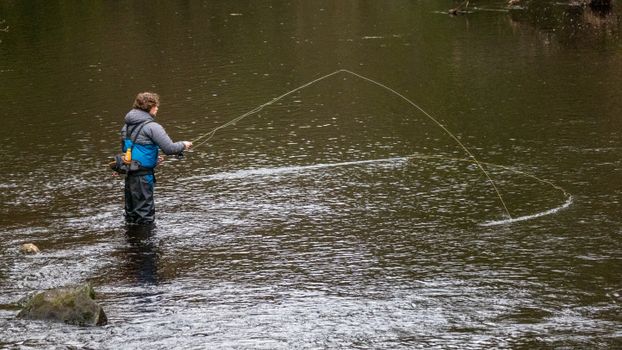
Fly fishing is more than just a pastime; for many, it’s a passion deeply entwined with tradition and craftsmanship. Among the treasures of the angling world, bamboo fly fishing rods stand out as icons of elegance and performance. These rods, often handcrafted by skilled artisans, are renowned for their sensitivity, smooth action, and classic beauty. However, their organic composition makes them more vulnerable to the elements compared to modern graphite or fiberglass rods. Proper maintenance isn’t just about preserving their looks—it’s essential for ensuring their longevity and top performance on the water. This article delves into the science and art of maintaining bamboo fly fishing rods, offering a comprehensive guide for anglers who want to enjoy their prized rods for generations.
Understanding the Unique Structure of Bamboo Fly Rods
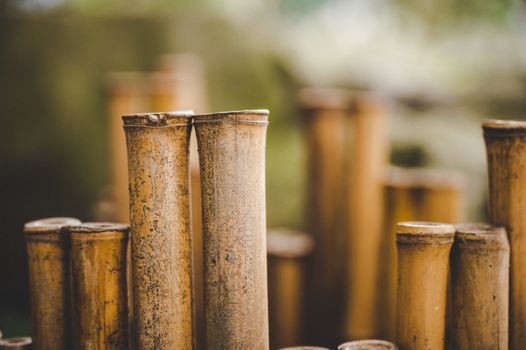
Bamboo, or more specifically Tonkin cane (Arundinaria amabilis), has been the material of choice for premium fly rods since the 19th century. Unlike synthetic materials, bamboo is an organic, fibrous material that reacts to environmental conditions. Each bamboo fly rod consists of meticulously split and planed strips glued together to form a hexagonal shaft. This construction provides both strength and flexibility, but also introduces potential vulnerabilities.
Key facts: - Most high-quality bamboo rods are made from Tonkin cane, sourced primarily from China. - The average bamboo fly rod is assembled from 6 to 8 strips, glued for optimal strength. - Bamboo rods typically weigh 3-6 ounces, making them light but sensitive to moisture and temperature changes.Because bamboo is hygroscopic (absorbs moisture), improper care can lead to swelling, warping, delamination (glue failure), or even cracking. Understanding this is the foundation of any effective maintenance routine.
Daily Use Habits That Extend Bamboo Rod Life
The way you handle your bamboo fly rod during fishing trips has a direct impact on its longevity. Small habits, repeated over time, can either safeguard your rod or accelerate its deterioration.
Best daily use practices include: 1. $1: Never use a fly line heavier than what the rod is designed for. Excessive strain can cause micro-fractures in the cane. 2. $1: After fishing, wipe the rod down with a soft, absorbent cloth. Pay attention to the ferrules and guides, which trap moisture. 3. $1: Prolonged exposure to direct sunlight or high temperatures (above 90°F/32°C) can dry out the bamboo and damage the finish. 4. $1: Always twist, never force, the ferrules when putting the rod together or taking it apart. Misalignment or excessive force can cause splits.A 2019 survey by the American Museum of Fly Fishing showed that 67% of bamboo rod damage reported by owners stemmed from improper handling during fishing trips. By adopting mindful habits, you can dramatically reduce the risk of accidental damage.
Seasonal Maintenance: What to Do After Each Fishing Season
Bamboo rods require more thorough attention at the end of each fishing season. This is the time to address minor issues before they become major repairs.
Key seasonal maintenance steps: - $1: Gently wash the rod with lukewarm water and mild soap. Use a soft toothbrush to clean the guides and ferrules. - $1: Look for chips, cracks, or worn spots in the varnish. Even small breaches can allow moisture to penetrate the cane. - $1: Ensure metal parts are free of corrosion and that wraps are tight. Loose or oxidized guides should be addressed immediately. - $1: Never store the rod assembled for long periods. This can stress the ferrules and cause misalignment.Many rod builders recommend reapplying a thin coat of high-quality rod wax or furniture polish once a year. This adds a layer of protection and enhances the rod’s appearance.
Storage Solutions: Protecting Your Bamboo Rods Between Adventures
Proper storage is often overlooked but is crucial for bamboo rod longevity. Unlike synthetic rods, bamboo is sensitive to fluctuations in humidity and temperature.
Best practices for bamboo rod storage: - $1: Always store the rod in a cotton or linen sock to prevent scratches and allow air circulation. - $1: When traveling, use a hard case to shield the rod from physical shocks. - $1: Store rods in a cool, dry place. Ideal humidity is around 40-50%, with temperatures between 50°F and 70°F (10°C-21°C). - $1: These areas often experience extreme temperature and humidity swings, which can warp or split bamboo. - $1: Store rods vertically or horizontally supported along the length, never propped at an angle that could induce bending.A study by the Federation of Fly Fishers found that bamboo rods stored in uncontrolled environments were three times more likely to develop warping over a five-year period than those stored in regulated conditions.
Maintenance Products and Their Effectiveness: A Comparative Overview
With many products marketed for bamboo rod care, it can be challenging to choose the best options. The table below compares popular maintenance products, outlining their main functions, benefits, and average cost.
| Product | Main Use | Effectiveness | Average Cost (USD) |
|---|---|---|---|
| Rod Wax (e.g., Renaissance Wax) | Protects finish, repels moisture | Excellent for annual protection; non-yellowing | $15-20 |
| Furniture Polish (Beeswax blend) | Enhances shine, minor moisture barrier | Good for appearance, moderate protection | $10-15 |
| Ferrule Lubricant (Paraffin Wax) | Prevents sticking, eases assembly | Highly effective, inexpensive | $3-5 |
| Rod Bags (Cotton/Linen) | Scratch protection, breathability | Essential for safe storage | $10-25 |
| Silica Gel Packs | Humidity control in tube/case | Excellent for moisture-sensitive storage | $5-8 (bulk) |
Choosing the right combination of these products ensures comprehensive protection for your bamboo fly rod.
Recognizing Early Warning Signs and When to Seek Professional Help
Even with diligent care, bamboo fly rods can develop issues over time. Recognizing early warning signs is vital for preserving both performance and value.
Watch for these symptoms: - $1: If the rod develops a noticeable bend that doesn’t straighten, it may have a set. Minor sets can sometimes be corrected at home, but persistent ones require expert attention. - $1: This occurs when the glued strips begin to separate. You may see fine lines or feel a soft spot; this is a serious issue best handled by a professional rod builder. - $1: Small chips can be touched up, but widespread varnish failure exposes bamboo to moisture and should be professionally refinished. - $1: If ferrules twist or guides shift, the rod’s integrity may be compromised.A 2021 study in the Journal of Fly Fishing Heritage found that rods serviced by professionals at the first sign of trouble retained 92% of their value, compared to 58% for those with delayed repairs.
Preserving the Legacy: Final Thoughts on Bamboo Fly Rod Maintenance
Bamboo fly rods are more than functional tools—they’re heirlooms connecting past and present generations of anglers. With proper maintenance habits, annual care, and vigilant storage, a quality bamboo rod can last a century or more. In fact, many rods built in the 1920s and 1930s are still fished today, a testament to both their craftsmanship and the dedication of their owners.
By understanding bamboo’s unique needs and responding to early signs of trouble, you not only extend your rod’s lifespan but also enhance every moment you spend on the water. Whether you fish your bamboo rod every weekend or bring it out for special occasions, thoughtful care ensures it will continue to deliver the smooth, soulful performance that only split cane can provide.