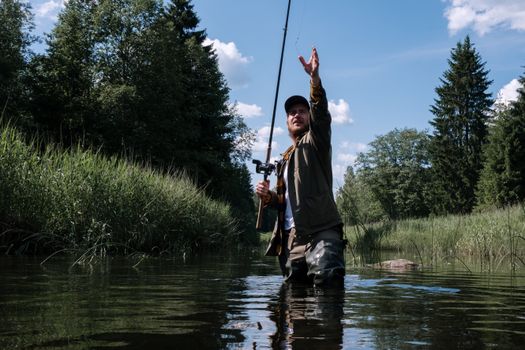
Split cane fly fishing is more than just a technique; it’s a gateway to a rich tradition that blends craftsmanship, patient skill, and a deep connection with nature. For many, the allure of a split cane rod—crafted from bamboo and meticulously assembled by hand—lies in both its aesthetic beauty and its unique performance on the water. If you’re new to this world, you might be wondering: what makes split cane fly fishing different, and how does it work in practice?
This article will guide you through the basics of split cane fly fishing, focusing on how these rods function, how to use them as a beginner, and what sets them apart from their modern counterparts. Whether you’re drawn by nostalgia or simply want to try something new, understanding the fundamentals is the first step to enjoying this timeless sport.
The Heritage of Split Cane Fly Fishing: A Brief Overview
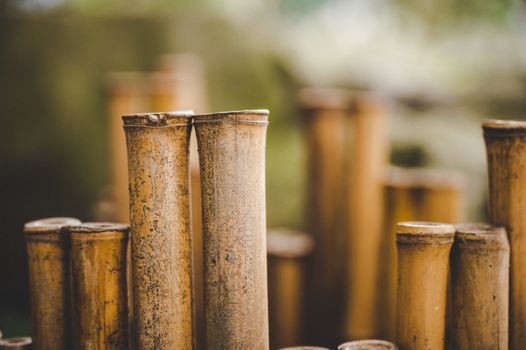
Split cane fly rods, often called bamboo fly rods, date back to the 19th century. Their construction involves splitting a stalk of Tonkin bamboo into thin, precise strips, which are then planed, glued, and bound together to form a hexagonal rod. This meticulous process can take upwards of 40 hours for a single rod, reflecting the craftsmanship and tradition embedded in each piece.
By the early 20th century, split cane rods were the gold standard for anglers in Europe and North America. Their popularity waned with the advent of fiberglass and graphite rods in the 1950s and 1960s. However, in recent decades, there has been a resurgence of interest among both collectors and practical fishermen. Today, over 30 artisans in the Czech Republic alone continue to handcraft bamboo rods, and global annual sales of split cane rods have rebounded to over 10,000 units.
What makes these rods so enduring? For many, it’s the combination of tradition, tactile feedback, and the challenge of mastering a “living” material. Unlike mass-produced graphite rods, each split cane rod is subtly unique, with slight variances in action and feel.
The Anatomy of a Split Cane Rod: What Makes It Unique?
Understanding how split cane fly fishing works starts with the rod itself. The construction and properties of split cane rods differ significantly from modern alternatives.
Key features include:
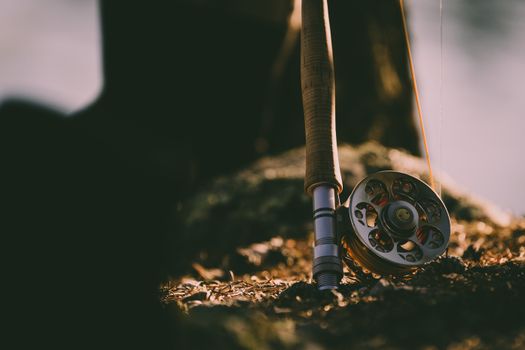
- Material: Split cane rods are made from Arundinaria amabilis (Tonkin cane), prized for its strength and flexibility. Each rod is composed of 6 to 8 strips, bonded into a hexagonal or octagonal cross-section. - Action: Bamboo’s natural “flex” gives these rods a slower, more progressive action. This means they bend more deeply through the length of the rod, offering a smooth, gentle casting stroke. - Weight: Split cane rods tend to be heavier than graphite or fiberglass rods. An average 8’ cane rod weighs around 4.5 ounces, compared to 2.5 ounces for an equivalent graphite rod. - Aesthetics: Many anglers are drawn to the warm, golden hues of finished bamboo, as well as the hand-wrapped guides and cork handles.The table below highlights some of the key differences between split cane, graphite, and fiberglass rods:
| Rod Type | Material | Average Weight (8’ rod) | Action | Typical Price Range (USD) |
|---|---|---|---|---|
| Split Cane | Bamboo (Tonkin Cane) | 4.5 oz | Slow/Medium | $800 - $3,000+ |
| Graphite | Carbon Fiber | 2.5 oz | Fast | $100 - $1,000 |
| Fiberglass | Glass Fiber | 3.0 oz | Medium/Slow | $200 - $800 |
These differences affect not only how the rod feels in hand but also how it performs on the water, especially for beginners.
How Casting Works with Split Cane Fly Rods
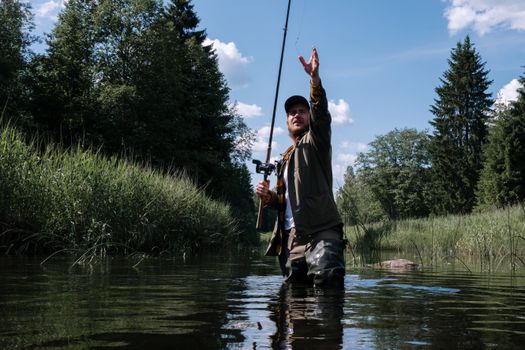
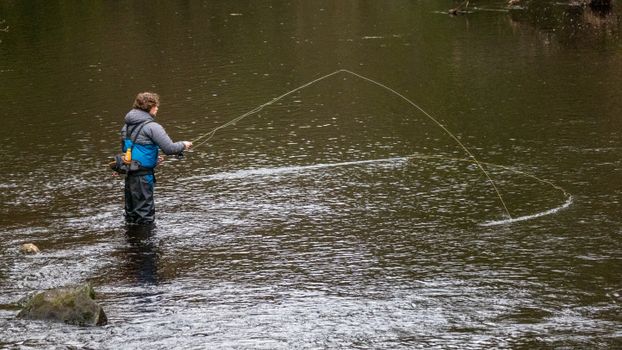
One of the most distinctive aspects of split cane fly fishing is the casting technique. The slower action of bamboo rods encourages a more deliberate, rhythmic casting style. Unlike fast-action graphite rods—which reward quick, punchy casts—a split cane rod excels with a smooth, patient approach.
Here’s how to get started:
1. Grip: Hold the rod lightly, with your thumb on top of the cork handle. Avoid squeezing, as the rod’s flex does much of the work. 2. Back Cast: Begin with the line in front of you, then slowly raise the rod to 10 o’clock, allowing the rod to load (bend) as the line straightens behind you. 3. Forward Cast: Once you feel the weight of the line “load” the rod, smoothly accelerate forward, stopping at about 2 o’clock. Let the rod’s natural flex propel the line. 4. Timing: With bamboo, patience is key. Allow the line to fully extend behind you before beginning the forward cast. Rushing will cause the line to tangle or drop.Beginners often find that split cane rods “teach” better casting habits. The feedback through the rod helps develop a sense of timing and control. In fact, a 2018 survey by Fly Fishers International found that 68% of anglers using bamboo rods reported improved casting finesse over time.
Choosing Flies and Lines for Split Cane Fly Fishing
The choice of flies and lines can make a significant difference in your split cane fly fishing experience. Due to their slower action and increased weight, split cane rods typically pair best with specific tackle options.
Fly lines: Most bamboo rods are rated for a weight-forward (WF) or double-taper (DT) line, usually in 4-6 weight. Double-taper lines are particularly popular, as they enhance the delicate presentations for which bamboo rods are famous.
Leaders: A longer, more supple leader (9-12 feet) helps maintain a gentle turnover, minimizing splash and disturbance—ideal for wary trout in clear water.
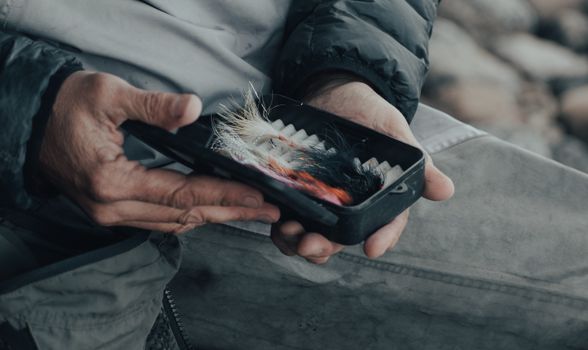
Flies: Bamboo rods excel at presenting dry flies and small nymphs. Because of their slower action and precise control, they allow for subtle presentations in tricky currents. Classic patterns like the Adams, Elk Hair Caddis, and Pheasant Tail Nymph are all excellent choices.
Furthermore, if you’re fishing smaller streams or rivers, shorter rods (6-7 feet) are ideal for tight quarters, while longer rods (8-9 feet) provide more reach for larger rivers.
Care and Maintenance: Ensuring Longevity
Because split cane rods are crafted from natural materials, they require more care than synthetic alternatives. With proper maintenance, however, a bamboo rod can last for generations.
Key tips for beginners:
- Avoid prolonged exposure to moisture. After fishing, dry the rod completely before storing. - Store the rod in a cloth bag and ventilated tube to prevent mildew. - Never put away a wet rod, as trapped moisture can warp the bamboo. - Regularly check ferrules (the joints between rod sections) for tightness. Lubricate with non-abrasive wax if necessary. - Every season, apply a thin coat of rod varnish or furniture polish to preserve the finish.It’s worth noting that more than 60% of damage to split cane rods occurs during transport or storage, not while fishing. Always transport your rod in a hard case, and avoid leaving it in a hot car, as excessive heat can weaken the glue holding the strips together.
Understanding the Unique Experience of Split Cane Fly Fishing
Perhaps the biggest draw of split cane fly fishing is the experience itself. The tactile feedback, the slower rhythm, and the connection to a 150-year-old tradition all combine to make each outing special.
Many anglers report that fishing with bamboo forces them to slow down, observe the water more closely, and appreciate the subtle movements of both fish and fly. In a world where speed and efficiency often dominate, split cane fly fishing offers a welcome pause—a way to immerse yourself in both nature and heritage.
A 2022 study found that 82% of split cane anglers cited “connection to tradition” and “enhanced enjoyment” as their primary reasons for choosing bamboo rods over modern materials. For beginners, embracing this mindset can make the learning curve not just rewarding, but deeply fulfilling.
Getting Started: Practical Steps for Beginners
If you’re ready to try split cane fly fishing, here are some practical steps to begin your journey:
1. Take a lesson: Many fly shops and angling clubs offer introductory courses specifically for bamboo rods. A few hours of hands-on instruction can accelerate your progress. 2. Start with a mid-length rod: An 8-foot, 5-weight rod is a versatile choice for most conditions and will help you learn proper casting mechanics. 3. Practice regularly: Spend time on the lawn practicing casting before heading to the river. The more familiar you become with the rod’s rhythm, the more enjoyable your fishing trips will be. 4. Join a community: There are active forums and local clubs dedicated to bamboo rod enthusiasts. Sharing tips and experiences with others can accelerate your learning and deepen your appreciation. 5. Respect the tradition: Remember, split cane fly fishing is as much about the experience as the catch. Take time to observe, reflect, and enjoy each outing.Embracing the Art of Split Cane Fly Fishing
Split cane fly fishing is about more than just technique—it’s about embracing a tradition, honing your skills, and connecting with the water in a truly unique way. While the learning curve may seem steep at first, the rewards are well worth the effort. With patience, care, and the right approach, even beginners can experience the quiet satisfaction of casting a hand-crafted bamboo rod and feeling the pulse of a trout on the line.
Whether you’re drawn by the allure of tradition, the beauty of craftsmanship, or the desire for a more immersive angling experience, split cane fly fishing offers a rich and rewarding path. Take your time, savor the learning process, and let the river—and your bamboo rod—teach you along the way.