Caring for Your Split Cane Fly Rod: Expert Advice
There’s a certain magic to the feel of a split cane fly rod in your hands. Crafted from carefully selected bamboo and expertly split, planed, and glued, these rods represent a perfect marriage of tradition and performance. But with their beauty and sensitivity comes a need for careful stewardship. Unlike synthetic rods, split cane (or bamboo) fly rods require attentive maintenance to ensure they endure for decades and even generations. Whether you’re an avid fly fisher or a collector cherishing a prized piece, understanding the nuances of split cane fly rod care is essential. This guide delves deeper than basic cleaning, exploring the expert techniques and insights that will help you preserve the integrity, value, and performance of your bamboo rod.
The Unique Nature of Split Cane Fly Rods
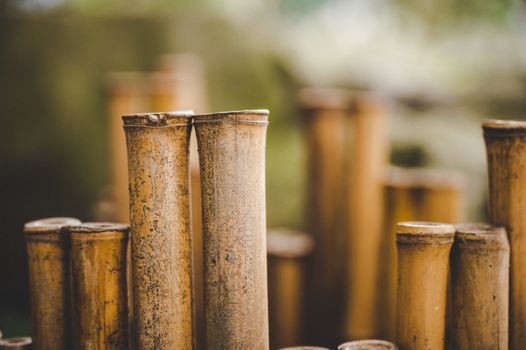
Split cane rods, commonly made from Tonkin bamboo, stand apart from their graphite or fiberglass counterparts. Each rod is a functional piece of art, bearing the imprint of the craftsman’s hand and the inherent variability of natural bamboo. This organic material offers an exceptional flex profile and sensitivity but is also more susceptible to environmental factors.
Why does this matter for care? Bamboo is hygroscopic—it absorbs and releases moisture depending on ambient humidity. Over time, this can impact alignment, glue joints, and finish. According to the American Museum of Fly Fishing, properly maintained bamboo rods have been known to last over 100 years, but neglect can reduce their lifespan dramatically.
Statistics highlight the value of proper care: in a survey conducted by Classic Fly Rod Forum, 78% of owners who reported regular maintenance saw no performance decline in over 20 years of use, compared to just 42% among those who rarely cleaned or inspected their rods.
Storage Strategies: Shielding Your Rod from Harm
The single most important aspect of split cane rod care is proper storage. Unlike synthetic rods, which can withstand a range of conditions, bamboo requires a controlled environment to maintain its structural integrity.
Optimal Storage Conditions: - $1 40% to 55% relative humidity is ideal. Too dry and the bamboo may crack; too humid and glue joints can weaken. - $1 Store rods between 50°F and 75°F. Extreme heat can soften glues, while freezing temperatures may cause brittleness. - $1 Direct sunlight degrades rod finishes and can dry the bamboo unevenly, causing warping. Practical Tips: - Always store your rod in its cloth sleeve and rod tube when not in use. - Avoid leaving rods in vehicles, especially during summer or winter. - If you live in a region with wide humidity swings, consider storing rods in a climate-controlled space, such as a closet with a small dehumidifier or humidifier.A quick comparison of storage environments:
| Storage Location | Risk of Damage | Recommended? |
|---|---|---|
| Garage/Attic | High (temperature and humidity swings) | No |
| Basement | Moderate (possible dampness) | With dehumidifier |
| Living Room/Closet | Low (stable environment) | Yes |
| Car (trunk/cabin) | Very High (extreme heat/cold) | Never |
Handling and Transport: Preventing Accidental Mishaps
How you handle and transport your split cane rod can make the difference between a lifetime of enjoyment and a costly repair. Despite their strength, bamboo rods are vulnerable to impact, bending, and torsion stresses, especially at the ferrules (the joints between rod sections).
Key Handling Guidelines: - $1 Always align ferrules carefully and avoid forcing sections together or apart. Twisting while joining can damage the fit. - $1 After fishing, wipe the ferrules and gently twist apart. Never use excessive force, as seized ferrules can crack the bamboo. - $1 When moving between fishing spots, break the rod down and place it in its tube, especially over rough terrain. Transport Best Practices: - Use padded rod cases for long trips. - Don’t strap rods to the outside of vehicles or backpacks where they can be jolted or exposed to weather. - If you must carry a rod assembled, support both the tip and butt to prevent bending.A 2019 survey by Fly Fisherman Magazine found that 61% of split cane rod repairs were due to accidental impacts or improper assembly/disassembly, rather than issues with the bamboo itself.
Cleaning, Oiling, and Regular Maintenance
Routine maintenance is vital to preserving both the function and the appearance of your split cane rod. Dirt, grit, and water can all contribute to premature wear, especially at the ferrules and guides.
Step-by-Step Cleaning Process: 1. After each outing, wipe down the rod with a soft, damp cloth to remove dirt and debris. Avoid using harsh soaps or solvents. 2. Inspect metal ferrules for moisture and wipe them dry. Lightly lubricate with a micro-thin layer of paraffin or specialized ferrule wax to maintain a smooth fit. 3. Check the guides (the wire loops through which the line passes) for corrosion or grooves. Replace damaged guides to prevent line wear. 4. Once a season, apply a small amount of linseed or tung oil to the bamboo—never to the wraps or finish. This helps replenish the bamboo’s natural oils, but be cautious not to overdo it, as excess oil can soften the varnish.Expert Tip: Examine the rod for any signs of finish cracks, glue line separation, or loose wraps. Early detection can prevent more costly repairs.
Dealing with Water, Weather, and Emergencies
Water is both the friend and foe of bamboo rods. While designed for river use, bamboo can suffer if left wet for prolonged periods or exposed to extreme weather.
After-Fishing Protocol: - Always dry your rod thoroughly before storage. If it’s been exposed to rain or submerged, let it air-dry completely (out of direct sunlight) before returning it to its case. - If the rod gets soaked, remove the reel and open the rod tube for ventilation. - If fishing in saltwater or brackish water, rinse the rod with fresh water and dry thoroughly to prevent corrosion. Emergency Repairs: - For minor dents or scratches, a dab of rod varnish or nail polish can provide temporary protection. - If a guide comes loose on the water, a small piece of tape can keep it in place until you return home. - For split or cracked bamboo, avoid using superglue or hardware adhesives—these can make professional restoration more difficult.According to the International Game Fish Association, nearly 30% of rod failures reported in their registry were due to lingering moisture or improper drying after use.
When to Seek Professional Help: Recognizing Restoration Needs
Even with diligent care, split cane fly rods may eventually require professional attention. Knowing when to consult an expert can prevent minor issues from becoming catastrophic.
Common Signs You Need Professional Service: - Deep cracks or splits in the bamboo - Loose or separated ferrules - Finish bubbling, peeling, or extensive wrap damage - Persistent “set” (permanent bend) that can’t be gently straightened Choosing a Qualified Restorer: - Look for specialists with a proven track record in bamboo rod repair. - Ask about their experience with your rod’s maker or era. - Request references or before-and-after photos.Restoration costs vary widely but typically range from $150 for minor wrap or ferrule repairs to over $600 for full refinishing or structural restoration. However, the investment can preserve a rod’s value—well-restored vintage rods have sold for over $5,000 at auction.
Final Thoughts on Split Cane Fly Rod Care
A split cane fly rod is more than just a fishing instrument—it’s a legacy piece. The unique qualities of bamboo reward careful stewardship, offering unmatched feel and tradition on the water. By understanding the material’s needs and following expert care strategies, you can keep your rod in peak condition for years, perhaps even passing it on to the next generation of anglers. From proper storage and handling to regular cleaning and timely professional service, each step you take preserves both function and beauty. With just a little extra attention, your split cane fly rod can remain a treasured companion on countless fishing adventures.