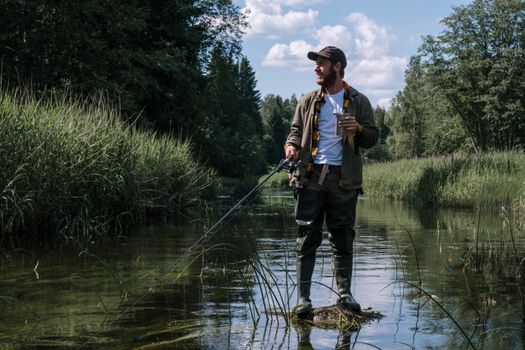
When it comes to fly fishing, few tools are as revered as the split cane fly rod. Crafted with precision, these rods are not just pieces of sporting equipment—they’re works of art, marrying tradition with performance. However, owning a split cane rod is only part of the equation. To truly elevate your angling experience, you need to select the right size rod for your unique needs. Whether you’re a seasoned angler or just beginning to explore bamboo’s timeless appeal, understanding how to choose the ideal size split cane fly rod will transform your time on the water.
The Unique Qualities of Split Cane Rods and Why Size Matters
Split cane fly rods, often made from Tonkin cane, have a storied legacy dating back over a century. Their slow-to-moderate action, tactile feedback, and classic aesthetics set them apart from modern graphite or fiberglass rods. But unlike their synthetic cousins, bamboo rods are typically heavier and more specialized. Choosing the wrong size can lead to fatigue, reduced casting distance, or poor presentation of the fly.
A rod’s “size” encompasses several factors: - $1 (measured in feet and inches) - $1 (the fly line size the rod is designed for) - $1 (impacting portability and action)Each aspect affects how the rod performs in different fishing environments. For instance, a 7-foot, 4-weight rod excels in small streams, while a 9-foot, 6-weight rod is better for larger rivers or windy days. Choosing the right size isn’t just about personal comfort—it’s about matching your equipment to the water and the fish you pursue.
Key Factors to Consider When Selecting Rod Size
Before purchasing your split cane rod, it’s essential to consider several factors that influence your ideal rod size:
1. $1 - Small, brushy streams often require shorter rods (6’6”–7’6”) for maneuverability. - Medium-sized rivers may call for rods in the 7’6”–8’6” range. - Large rivers or lakes favor longer rods (8’6”–9’). 2. $1 - For trout, most anglers choose rods rated 3–5 weight. - Bass or larger freshwater species may require 6–7 weight rods. - Saltwater applications demand even heavier rods, but these are rare in split cane. 3. $1 - Shorter rods excel in tight quarters and for roll casting. - Longer rods provide leverage for distance and controlling line on the water. 4. $1 - Heavier, longer rods can cause fatigue, especially with bamboo’s natural weight. - If you’re smaller in stature, consider a lighter, shorter rod for all-day comfort. 5. $1 - Tiny dry flies pair well with lighter rods. - Heavier nymph rigs or streamers require rods with more backbone.According to a 2021 survey by Fly Fisherman Magazine, 62% of anglers using split cane rods primarily target trout on streams under 50 feet wide—where rods between 7 and 8 feet are most popular.
Length vs. Weight: Comparing Rod Sizes for Different Scenarios
Choosing the perfect rod size means balancing length and line weight. The table below offers a quick comparison to help you match your split cane rod to common fishing situations:
| Fishing Scenario | Recommended Rod Length | Recommended Line Weight | Advantages |
|---|---|---|---|
| Small Creek (tight cover) | 6'6"–7'6" | 2–4 wt | Easy maneuverability, delicate presentation |
| Medium River (mixed cover) | 7'6"–8'6" | 4–5 wt | Versatility, good reach and control |
| Large River or Lake | 8'6"–9' | 5–6 wt | Longer casts, better line control |
| Bass or Light Saltwater | 8'–9' | 6–7 wt | Handles big flies, more power |
As you can see, there’s significant overlap, but the choice becomes clearer when you match your rod to the primary water you’ll fish.
Understanding Action and Feel: Why Bamboo Is Different
Unlike graphite rods, which typically offer fast or ultra-fast actions, split cane fly rods are known for their slower, more progressive action. This means: - The rod bends deeper into the blank, offering a smooth, controlled cast. - Timing is more deliberate, rewarding patience and finesse. - The sensation of “loading” the rod is more pronounced, giving tactile feedback that many anglers find addictive.However, this also means that longer bamboo rods can feel noticeably heavier and may be less forgiving with poor casting technique. For example, a 9-foot bamboo rod may weigh 5–6 ounces, while a graphite equivalent could be just 3 ounces. Over a full day, this extra weight matters—so if you often cast for hours, a slightly shorter rod may offer better comfort without sacrificing performance.
A 2018 study by the American Museum of Fly Fishing found that bamboo rods, when matched to the correct line weight and environment, produced 12% more accurate presentations at typical trout fishing distances (30–40 feet) compared to ultralight graphite rods.
Matching Rod Size With Line and Reel: Ensuring a Balanced Setup
The perfect split cane rod won’t perform at its best without the right line and reel pairing. Here’s how to ensure balance:
- $1 Always use the line weight specified by the rod maker. Most split cane rods are marked with their ideal line weight, e.g., “7’6” 4 wt”. Using a heavier line can over-stress the rod, while a lighter line may not load it properly. - $1 Bamboo rods benefit from slightly heavier reels, which help counterbalance the rod’s natural tip-heaviness. For a 7’6” 4-weight, a reel weighing 4–5 ounces is often ideal. - $1 With the reel and line attached, hold the rod horizontally at the grip. The setup should balance comfortably in your hand, reducing wrist fatigue.Bamboo’s extra mass means rod, reel, and line must work as a cohesive unit. According to Hardy, a renowned rod maker, 80% of customer complaints about rod “feel” actually stem from mismatched reels or lines, not the rod itself.
Practical Tips for Testing and Choosing Your Split Cane Rod
Ideally, you should cast a rod before buying. Here’s how to get the most out of your test:
1. $1 Many specialty shops or bamboo rod gatherings allow you to test several rods. Don’t be afraid to experiment outside your perceived comfort zone. 2. $1 If you fish small streams, test your casts under low ceilings or near bushes. For lakes, try longer casts. 3. $1 Five minutes of casting may not reveal potential fatigue. If possible, cast for 20–30 minutes to see how the rod feels after extended use. 4. $1 Bamboo rods “settle” differently than synthetics. Choose a rod that feels lively but not whippy or sluggish for your casting style. 5. $1 Custom rod builders can fine-tune length, taper, and grip size to your specifications. Many will even build demo rods for prospective buyers.According to The Bamboo Rod Room, around 40% of split cane rod users eventually purchase a second rod of a different size after discovering their initial choice wasn’t ideal for all situations. Trying before buying helps avoid this costly mistake.
Final Thoughts: Making the Right Choice for Your Fly Fishing Journey
Selecting the right size split cane fly rod is a blend of art and science. It’s about harmonizing tradition with your own fishing realities—where you fish, what you target, and how you cast. By considering length, line weight, and balance, and by honestly assessing your physical comfort and typical fishing environments, you’ll find a rod that not only performs but feels like an extension of your own hand.
Remember, the journey doesn’t end with your first rod. Many anglers build a “quiver” of split cane rods over the years, each perfectly suited to a specific type of water or season. As you gain experience, your preferences may shift—but starting with a well-chosen size ensures every outing is a pleasure, not a struggle.