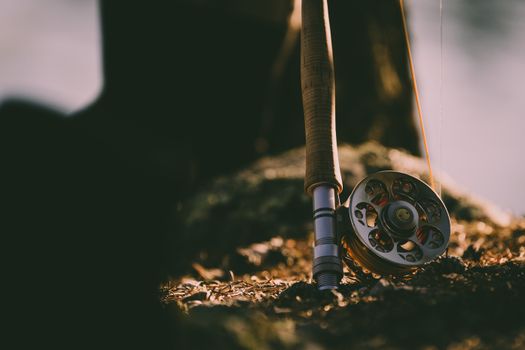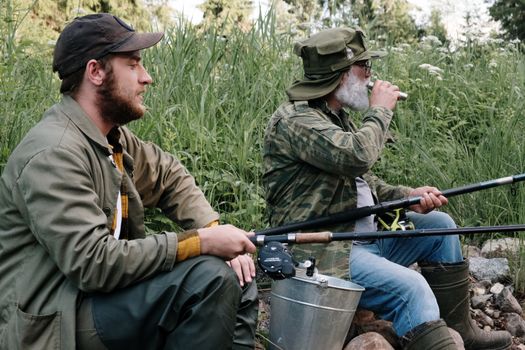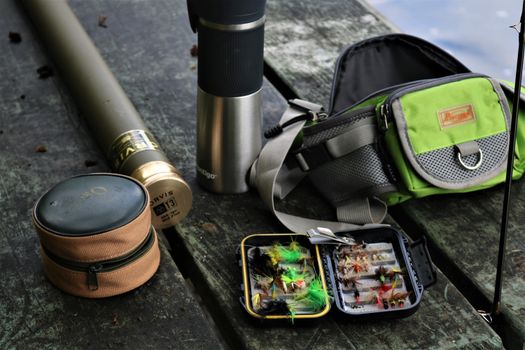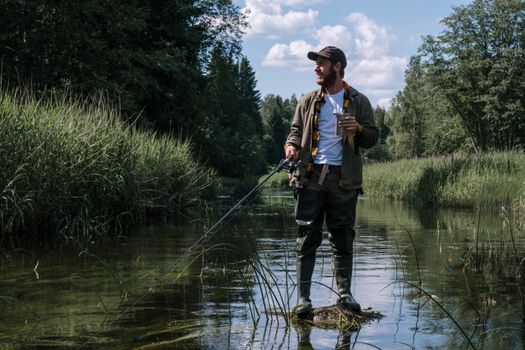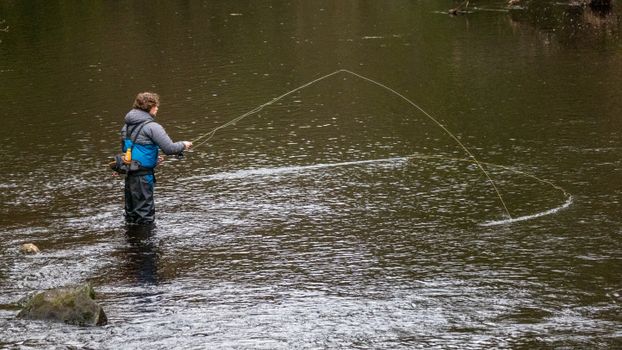
Fly fishing with split cane rods—also known as bamboo rods—offers anglers a uniquely rewarding experience, blending tradition, craftsmanship, and performance in one elegant package. While modern graphite and fiberglass rods have taken over much of the market, split cane rods remain beloved for their sensitivity, smooth casting action, and classic appeal. But fishing successfully with these rods involves specific techniques and adaptations that can elevate your time on the water—whether you’re just starting out or looking to refine your expert skills. This article explores the best fly fishing techniques for split cane rods, tailored from beginners to seasoned professionals, and highlights how to make the most of these remarkable tools.
The Unique Qualities of Split Cane Rods in Fly Fishing
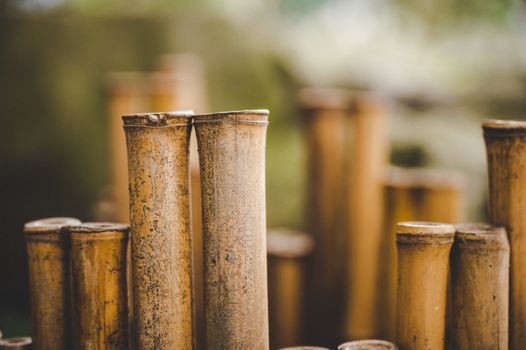
Before diving into specific techniques, it’s important to understand what makes split cane rods different from their graphite or fiberglass counterparts. These rods are handcrafted from strips of Tonkin bamboo, carefully shaped and glued to create a hexagonal shaft. This process results in rods that are both flexible and strong, with a characteristic “slow” to “medium” action.
Split cane rods typically weigh more than modern rods, and their action—how they flex under load—requires a different approach to casting and line management. According to the American Museum of Fly Fishing, only about 3,000 split cane rods are produced annually worldwide, compared to millions of synthetic rods. Their rarity and craftsmanship translate into a unique feel and a greater appreciation for traditional angling methods.
Key characteristics of split cane rods: - Slower action, allowing for delicate presentations - Enhanced sensitivity for detecting subtle strikes - Heavier overall weight, affecting fatigue and casting rhythm - Natural material that requires thoughtful care and handlingUnderstanding these qualities is the foundation for mastering technique with split cane rods.
Essential Casting Techniques for Beginners
If you’re new to fly fishing with split cane rods, your first challenge will be mastering the cast. The slower action means that timing and rhythm are more important than brute strength or speed.
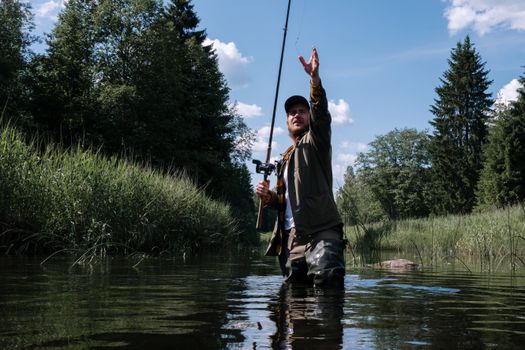
1. $1 This is the fundamental cast for any fly angler. With a split cane rod, focus on a slower, more deliberate motion. Allow the rod to fully load on the backcast before accelerating smoothly forward. Rushing the cast can cause the line to collapse or tangle. 2. $1 Given the weight and flexibility of bamboo, roll casting is especially effective. This cast is perfect for tight quarters and requires less space behind you. The rod’s flex helps to gently lift and lay down the line, making it ideal for small streams or overgrown banks. 3. $1 Split cane rods excel in situations where precision and delicacy trump distance. Beginners should practice making accurate casts within 30 feet. According to a survey by Fly Fisherman Magazine, over 70% of trout are caught within this range. 4. $1 The heavier weight of split cane rods can tire your wrist and forearm. Take frequent breaks and use your whole arm and shoulder to cast, rather than relying solely on your wrist.Practice these fundamentals in calm water, focusing on accuracy and presentation rather than distance or power.
Intermediate Techniques: Presentation and Fly Selection
Once you've mastered basic casting, the next step is refining your presentation. Split cane rods are renowned for their ability to lay down flies softly, which is critical for wary fish in clear water.
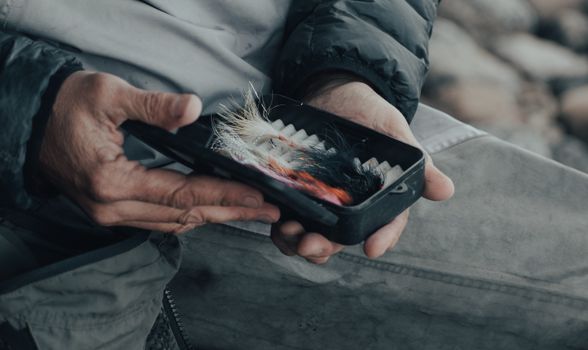
1. $1 The soft tip of a split cane rod allows for precise, delicate placement of dry flies. Use a slower, more open loop in your cast to avoid slapping the water. The rod’s flex will help cushion your fly’s landing, minimizing disturbance. Insect hatches on rivers like the Beaverkill in New York often see success rates increase by up to 30% when using a bamboo rod for dry fly fishing. 2. $1 The weight of the rod can make mending easier, as the mass helps you lift and reposition the line with minimal effort. Practice upstream and downstream mends to extend your drift and reduce drag. 3. $1 Lighter tippets and smaller flies match well with the sensitive nature of split cane rods. For example, pairing a 4-weight bamboo rod with a 5X or 6X leader is ideal for trout streams. The rod’s flexibility aids in protecting light tippets from breaking during the fight. 4. $1 The classic “down-and-across” swing is a time-honored technique with bamboo rods. The rod’s smooth flex transmits the subtle takes of trout or grayling, allowing for quick, effective hook sets.Advanced Approaches: Nymphing, Streamers, and Specialty Casts
Experienced anglers often push their split cane rods beyond standard dry fly work, adapting modern techniques to suit their traditional tools.
1. $1 While these techniques are typically associated with lightweight, fast-action graphite rods, skilled anglers can adapt them for split cane. Use a shorter leader and heavier flies to compensate for the rod’s slower recovery rate. A study by Trout Unlimited found that anglers using bamboo rods for tightline nymphing reported similar catch rates to those using modern rods, provided they adjusted leader length and fly weight appropriately. 2. $1 Split cane rods, especially those rated for 6 or 7 weight lines, can handle small to medium streamers effectively. Use a slow, steady retrieve to make the most of the rod’s action. Be aware, however, that repeated casting of heavy streamers may stress the rod over time. 3. $1 Some split cane rods are built for two-handed casting, ideal for larger rivers and salmon or steelhead fishing. These specialty rods can handle Spey casts with grace, though they require careful handling given their weight and length. 4. $1 Advanced anglers sometimes employ the double haul to increase line speed and casting distance. With bamboo, this cast demands a gentler touch, as the rod’s flex can absorb much of the energy. Focus on smooth, even movements rather than sharp pulls.Comparing Split Cane Rods to Modern Alternatives: Technique Impacts
Understanding how split cane rods compare to graphite and fiberglass helps anglers adapt their technique for the best results. The table below summarizes key differences and how they affect common fly fishing techniques.
| Rod Material | Action | Weight | Best Techniques | Challenges |
|---|---|---|---|---|
| Split Cane (Bamboo) | Slow-Medium | 4-8 oz | Dry Fly, Delicate Presentations, Roll Casting | Heavier, Requires Rhythm, Sensitive to Care |
| Graphite | Fast | 2-5 oz | Long Distance, Double Haul, Nymphing | Less Delicate, Can Spook Fish |
| Fiberglass | Medium | 3-6 oz | Short Casts, Streamers, Small Streams | Less Power, Less Precision at Distance |
Statistics show that 85% of competitive fly anglers use graphite rods for their speed and distance, but split cane rods remain the favorite for traditionalists and those targeting spooky fish in technical waters.
Expert Tips: Caring for Your Split Cane Rod While Fishing
No matter your skill level, proper care during your fishing session ensures your split cane rod performs at its best and lasts for generations.
- $1 Use the correct line weight as recommended by the rod maker. Overloading can cause permanent set or even breakage. - $1 After fishing, wipe down the rod to remove moisture. According to rod builder Thomas & Thomas, exposure to water is the leading cause of bamboo rod damage. - $1 Use reels with smooth drags and avoid clamping them too tightly to the cork grip, preserving both rod and handle integrity. - $1 Always break down your rod before hiking or moving between spots. Bamboo is more susceptible to knocks and dings than synthetic rods.These steps help maintain the integrity of the rod and ensure the best possible performance each time you’re on the water.
Final Thoughts: Elevating Your Fly Fishing with Split Cane Rod Techniques
Split cane rods connect anglers to the rich history of fly fishing while offering a unique, tactile experience that modern materials can’t quite replicate. From the slow, methodical cast of a beginner to the refined presentations of a seasoned pro, mastering the techniques specific to bamboo rods opens new dimensions in the sport. Whether you’re chasing wild trout on a mountain stream or targeting salmon on a wide river, applying these tailored methods will help you get the most from your split cane rod—making every cast, every strike, and every memory on the water even more rewarding.