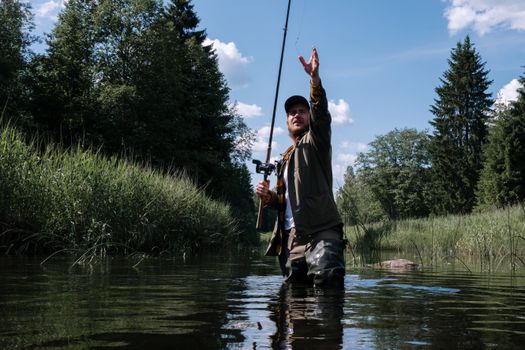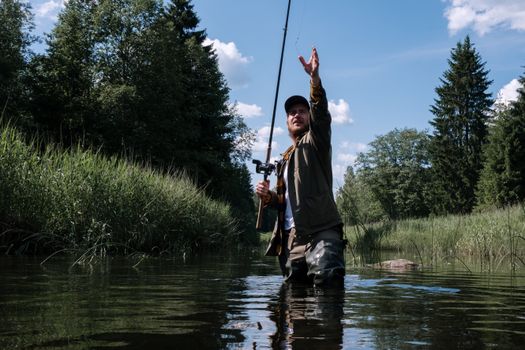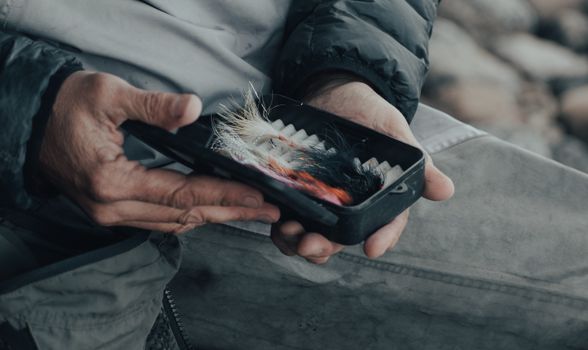
When it comes to fly fishing, the choice of rod material can dramatically shape your experience on the water. For decades, anglers have debated the merits of bamboo fly rods versus modern graphite rods, each offering unique qualities, histories, and advantages. Whether you are a seasoned enthusiast looking for a new challenge or a newcomer selecting your first rod, understanding the differences can help you make an informed decision tailored to your fishing style and aspirations.
The Legacy and Craftsmanship of Bamboo Fly Rods
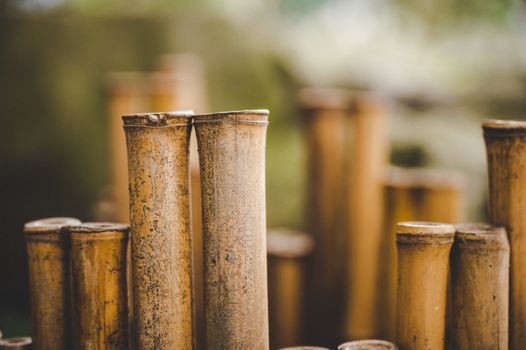
Bamboo fly rods, often referred to as “split cane” rods, have a storied heritage dating back to the 1800s. Crafted from Tonkin cane primarily sourced from China, these rods are meticulously handcrafted, with some requiring over 60 hours of labor to complete. Renowned makers such as H.L. Leonard and E.F. Payne helped establish bamboo as the gold standard for fly fishing into the mid-20th century.
The artistry involved in building a bamboo rod is a major part of its appeal. Each rod is a unique piece, reflecting the maker’s skill and the natural variations of the cane. Bamboo’s natural flex and weight result in a smooth, slower casting tempo known as a “full flex” action, which many purists find deeply engaging.
Key Facts: - A single high-quality bamboo fly rod can require up to 150 individual steps in production. - Vintage bamboo rods from famous makers can fetch over $10,000 at auction. - The average bamboo rod weighs between 4 and 6 ounces, heavier than graphite equivalents.Bamboo rods are not just tools for fishing—they are cherished heirlooms and works of art, often passed down through generations.
Innovation and Performance: The Rise of Graphite Fly Rods
Graphite rods revolutionized fly fishing in the 1970s, quickly becoming the most popular material among anglers worldwide. Graphite, a form of carbon fiber, offers a high strength-to-weight ratio, allowing for longer, lighter, and more responsive rods than bamboo.
Manufacturers like Sage, Orvis, and G. Loomis utilize advanced engineering and resin systems to fine-tune rod actions, from ultra-fast to moderate, catering to all skill levels and fishing applications. Graphite rods are prized for their versatility, accuracy, and ease of use, especially when casting long distances or dealing with windy conditions.
Impressive Numbers: - The lightest graphite fly rods weigh as little as 2 ounces. - Over 90% of fly rods sold today are made from graphite or graphite composites. - A quality graphite rod can retail from $100 to over $1,000, with options for all budgets.Graphite’s technological edge means that modern rods often come with lifetime warranties, corrosion-resistant fittings, and ergonomic designs, making them practical and accessible for anglers of all backgrounds.
Comparing Performance: Action, Power, and Sensitivity
The core of the bamboo vs. graphite debate centers on rod performance—how each material influences casting, fighting fish, and overall angling enjoyment.
Bamboo rods, with their full-flex action, load deeply and smoothly, rewarding a patient casting rhythm. This makes them ideal for delicate presentations, small streams, and shorter casts where accuracy and subtlety are paramount. The additional weight and slower recovery speed can make them less suitable for casting in strong winds or over long distances.
Graphite rods, by contrast, are typically faster-action, meaning they recover quickly and store more energy. This translates to higher line speeds, longer casts, and greater versatility across various conditions. Their lightweight nature also reduces arm fatigue during long fishing sessions.
| Feature | Bamboo Fly Rods | Graphite Fly Rods |
|---|---|---|
| Average Weight | 4-6 oz | 2-4 oz |
| Action | Full flex (slow to medium) | Fast to moderate |
| Cast Distance | Short to medium (20-50 ft) | Medium to long (up to 100 ft) |
| Sensitivity | High for subtle takes | High, especially with modern tapers |
| Best For | Small streams, dry flies, tradition | All waters, nymphs, streamers, versatility |
Ultimately, your choice depends on your home waters, preferred fishing styles, and whether you value tradition and craftsmanship over cutting-edge performance.
Durability, Maintenance, and Longevity
Durability and care requirements are significant factors when choosing between bamboo and graphite.
Bamboo rods, though surprisingly strong, are more susceptible to physical damage, moisture, and temperature fluctuations. Prolonged exposure to water can weaken the glue joints, while impacts can cause cracks or splits. Routine maintenance is essential: rods should be dried thoroughly, stored in a cool, dry place, and inspected for signs of wear.
Graphite rods, in contrast, are highly resistant to corrosion, weather, and rough handling. They can withstand being knocked against rocks, submerged, or even briefly stepped on—circumstances that might spell disaster for bamboo. Maintenance is minimal, typically limited to rinsing after saltwater use and checking ferrules and guides.
Noteworthy Data: - A well-maintained bamboo rod can last 50+ years; some vintage rods from the 1920s are still fished today. - Graphite rods can last a lifetime under normal use, with breakages often covered by manufacturer warranties.For anglers who prioritize ease of care or fish in harsh environments, graphite’s durability is a major advantage.
Cost, Availability, and Investment Value
The price gap between bamboo and graphite rods is often significant, reflecting differences in materials, labor, and market demand.
Bamboo rods are typically handcrafted in small quantities, with prices for new models ranging from $800 to over $3,000. Vintage rods from legendary makers can command even higher prices, making them coveted collectors' items. Their scarcity and artisanal value mean they tend to appreciate over time.
Graphite rods are mass-produced, making them widely available and affordable. Entry-level models start around $100, while high-end rods rarely exceed $1,000. This accessibility allows anglers of all backgrounds to participate in the sport without significant financial barriers.
Interesting Figures: - A new bamboo rod averages $1,500, while a mid-range graphite rod averages $350. - The most expensive bamboo fly rod sold at auction fetched over $20,000. - In 2023, over 1.2 million graphite fly rods were sold globally.For those seeking investment potential and exclusivity, bamboo is the clear winner. For those wanting value, choice, and convenience, graphite dominates.
Environmental Impact and Sustainability Considerations
Modern anglers are increasingly conscious of their environmental footprint. Bamboo and graphite rods offer differing sustainability profiles.
Bamboo is a renewable resource, with mature Tonkin cane ready for harvest in 5-7 years. Crafting bamboo rods generally involves minimal industrial processing and produces less environmental waste. However, the transportation of raw cane from Asia and the use of certain adhesives can offset some benefits.
Graphite rod manufacturing is energy-intensive, relying on carbon fiber production processes involving high heat and chemical resins. While some companies are introducing recycled materials and greener practices, the overall carbon footprint remains higher than that of bamboo.
Key Points: - Bamboo is biodegradable and renewable but less scalable. - Graphite is non-biodegradable but enables lightweight, efficient rods for large-scale use.For eco-minded anglers, bamboo offers a more traditional and sustainable option, though graphite manufacturers are making strides in reducing their impact.
Making the Right Choice: Which Rod is Better for You?
Choosing between bamboo and graphite fly rods ultimately comes down to your personal priorities and fishing style. If you are drawn to tradition, craftsmanship, and the tactile pleasure of a classic rod, bamboo offers an irreplaceable experience. The slow, rhythmic casting and the connection to angling history are unmatched.
On the other hand, if you value versatility, ease of use, and modern performance, graphite rods are tough to beat. They handle a wide range of conditions, require less maintenance, and are accessible to anglers at every price point.
Ask yourself: - Do you fish small streams and value subtlety? Bamboo may be ideal. - Do you need a rod for travel, varied waters, or big fish? Graphite excels.Many passionate anglers ultimately own both types, using each where it shines brightest. Whether you choose the timeless elegance of bamboo or the technological prowess of graphite, both paths lead to the same reward: unforgettable days on the water.