Restoring a Vintage Split Cane Fly Rod: Preserving Heritage Through Expert Techniques
Restoring a vintage split cane fly rod is more than a repair job—it's an act of preserving angling heritage. Unlike modern rods, split cane fly rods are hand-crafted with intricate detail, and each vintage example tells a unique story. While many guides focus on basic repairs, this comprehensive guide explores the deeper aspects of restoration, including historical research, sourcing authentic parts, advanced conservation practices, and maintaining collector value. Whether you’re a passionate fly fisher, a collector, or a craftsman, discovering the nuances of split cane restoration will help you honor the rod’s legacy and enhance its future use.
The Historical Significance of Split Cane Fly Rods
Split cane rods, often referred to as bamboo fly rods, rose to prominence from the late 19th to mid-20th century. Crafted primarily from Tonkin cane, these rods were favored for their remarkable flexibility, strength, and casting finesse. Some brands like Hardy, Leonard, and Garrison became synonymous with quality, producing rods that now fetch between $2,000 and $10,000 at auction, depending on rarity and condition.
Preserving the original features of a vintage rod is essential, as even minor modifications can affect both its historical and financial value. For example, a 1930s Hardy split cane rod, when meticulously restored with period-accurate components, can see a 30-50% increase in market value compared to one with modern replacements.
Starting with Documentation and Research
Before handling any tools, invest time in researching the rod’s origins. Identifying the make, model, year, and any unique features is crucial. This information can usually be found through:
- Serial numbers stamped on the reel seat or ferrules. - Historical catalogs, many of which are digitized by enthusiast communities. - Online forums and collector groups, where members may help authenticate your rod.Document the rod’s current state with high-resolution photographs, noting all details such as guide spacing, original thread colors, grip style, and inscriptions. This documentation will serve as a valuable reference during restoration and provide provenance for future collectors.
Authentic Sourcing: Finding Period-Correct Parts
One of the most overlooked aspects of restoration is sourcing authentic, period-appropriate components. Using modern parts can diminish both the value and character of a vintage split cane rod. Here are some strategies for finding the right materials:
- Vintage Tackle Dealers: Specialized dealers often stock original guides, ferrules, and reel seats salvaged from rods beyond repair. - Online Auctions: eBay and collector sites frequently list NOS (new-old-stock) parts—original components never used. - Rod Maker Guilds: Many traditional rod builders offer reproduction parts made to original specifications, such as agate stripping guides or nickel silver ferrules.For example, a pre-war Leonard rod restored with authentic red agate guides and silk thread can command a premium at collector shows, while one with generic replacements might be overlooked.
Advanced Conservation Techniques for Split Cane
While basic restoration focuses on structural repairs, advanced conservation ensures the rod’s longevity and historical integrity. Here are several expert techniques:
1. $1: Split cane is highly sensitive to moisture. During restoration, maintain relative humidity around 40-50%. Excess moisture can cause swelling or delamination, while too little may lead to brittleness. 2. $1: For deep-seated stains or mildew, an oxalic acid solution (1 tablespoon per quart of water) can safely clean the cane without discoloration. Always neutralize with a baking soda rinse and dry thoroughly. 3. $1: If original thread wraps are intact but faded, consider color preservation rather than replacement. Applying a diluted archival shellac can stabilize and subtly revive color without altering the original material. 4. $1: Instead of sanding or epoxying, experts use beeswax or micro-shimming techniques to achieve a perfect fit, preserving originality.Restoration vs. Conservation: Balancing Usability and Value
A key decision in any vintage rod project is whether to prioritize usability or collector value. This often comes down to how much originality is retained. Below is a comparison of the two approaches:
| Aspect | Restoration (Usability) | Conservation (Collector Value) |
|---|---|---|
| Main Goal | Return rod to best fishing condition | Preserve as much original material as possible |
| Component Replacement | Modern or reproduction parts acceptable | Only period-correct or original parts used |
| Varnish/Finish | May strip and re-varnish completely | Spot touch-up; minimal intervention |
| Market Value Impact | May increase for anglers; less for collectors | Maximized for collectors and resale |
| Typical Cost | $100–$300 (DIY) | $200–$1,000+ (professional conservation) |
Test Casting and Tuning the Action
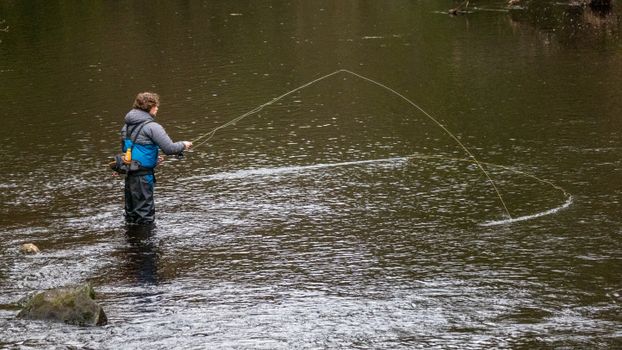
After restoration, it’s crucial to test the rod’s casting action. Split cane rods are celebrated for their unique “feel” and slow, graceful flex. To ensure you’ve maintained the original action:
- Use a silk or modern fly line matched to the rod’s weight (e.g., a 5-weight line for most 8-foot rods). - Cast on lawn or water, observing the rod’s flex profile. - Listen for any clicking or creaking noises, which may indicate loose ferrules or hidden cane splits.Fine-tune the action by adjusting guide spacing or grip position, always referencing your original documentation to maintain authenticity. In rare cases, additional micro-adjustments to the ferrule fit or guide wraps can make a noticeable difference in casting feel.
Long-Term Care After Restoration
Once your vintage split cane fly rod is restored, ongoing care is essential to preserve its condition for future generations. Here are some key tips backed by expert recommendations:
- $1: Always store rods horizontally in a dry, cool environment. Avoid direct sunlight, which can degrade both cane and varnish. Use a breathable cloth bag and ventilated tube. - $1: Inspect ferrules, wraps, and varnish annually. Apply beeswax to ferrules and sparingly oil cork handles to prevent drying. - $1: Limit exposure to heavy rain or saltwater. After fishing, wipe down the rod and allow it to dry fully before storage. - $1: If your rod is a valuable collectible (over $2,000), consider adding it to a specialized insurance policy.According to a 2023 survey by the American Museum of Fly Fishing, properly maintained split cane rods can last for over 75 years, with some early 20th-century examples still in active use today.
Honoring the Legacy of Your Vintage Split Cane Fly Rod
Restoring a vintage split cane fly rod is not just about repair—it's about honoring a tradition that spans generations. By taking the time to research, source authentic parts, and use advanced conservation techniques, you ensure that your rod retains its historical value and distinctive character. Whether displayed as a collector’s piece or brought to life on the stream, your restored rod will carry the legacy of those who crafted and fished with it before you. The satisfaction of preserving a piece of fishing history is matched only by the thrill of casting a line with it once again.