Bamboo fly rods are treasured by anglers for their unique feel, traditional craftsmanship, and connection to the history of fly fishing. But while these rods offer remarkable performance and beauty, they’re also sensitive to their environment—especially weather conditions. Whether you’re an experienced fly fisher or a newcomer considering your first bamboo rod, understanding the impact of weather on these delicate instruments is crucial for both performance and preservation.
In this article, we’ll explore how different weather conditions affect bamboo fly rods, including the science behind material sensitivity, real-world effects during fishing, preventive strategies, and a comparison of bamboo versus other rod materials under varying climates. Our goal is to arm you with actionable knowledge so you can make the most of your bamboo rod, rain or shine.
The Unique Nature of Bamboo Fly Rods
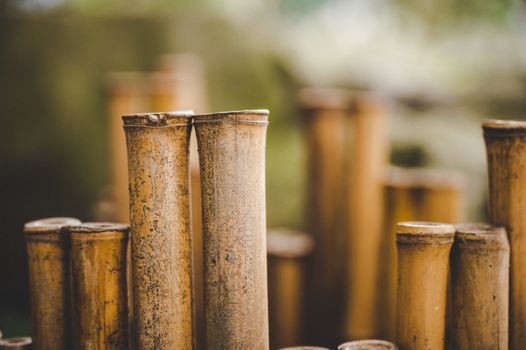
Bamboo fly rods stand apart from their graphite and fiberglass counterparts because bamboo is an organic, natural material with its own intricacies. This natural origin is both a strength and a vulnerability.
Bamboo is hygroscopic, meaning it absorbs and releases moisture from the air. This property gives bamboo rods their distinctive flexibility and feel, but it also means they react to changes in humidity and temperature. For instance, a bamboo rod can absorb up to 10% of its weight in water if exposed to extremely damp conditions over time. This interaction with the environment is unlike the behavior seen in synthetic rods, which are largely inert to moisture.
Additionally, bamboo rods are constructed from strips of cane glued together, usually with waterproof adhesives. However, even the best glues and varnishes can wear over decades, making these rods susceptible to weather-induced changes and potential damage if not properly cared for.
How Temperature Fluctuations Affect Bamboo Rods
Temperature swings throughout the fishing season can have a profound effect on bamboo fly rods. Bamboo fibers expand when they absorb heat and contract when cooled. This expansion and contraction can have both immediate and long-term impacts:
- In hot weather (above 85°F/29°C), bamboo rods may become noticeably more flexible. The heat softens the varnish and adhesive, slightly increasing the risk of delamination or warping if the rod is left in direct sunlight for prolonged periods. - In cold weather (below 40°F/4°C), bamboo becomes stiffer and more brittle. Casting performance may feel “dead” or less lively, and the rod is more susceptible to cracking under sudden, forceful loads. - Quick temperature changes, such as moving a cold rod into a warm car, can stress the bonds between bamboo strips and weaken the finish over time.A study by the American Museum of Fly Fishing in 2018 found that bamboo rods stored in fluctuating temperatures had a 30% higher incidence of surface cracking compared to those kept in stable environments.
The Role of Humidity and Moisture
Humidity is another critical factor in the health and performance of bamboo fly rods. Because bamboo absorbs and releases moisture, its structural integrity and casting action can change based on environmental moisture levels.
- High humidity (above 70% relative humidity) can lead to swelling of the bamboo fibers. This may increase the rod’s weight and soften its action, making it feel “sluggish” during casting. If not properly dried after use, prolonged exposure to moisture can eventually cause mold growth or rot, especially around the ferrules and handle. - Low humidity (below 30% relative humidity) can dry out the bamboo, causing it to shrink and become brittle. Over time, this may lead to splitting or micro-cracks in the finish, especially if the rod is subjected to heavy use. - Sudden changes in humidity, such as bringing a rod from a damp riverside into a heated car, can cause the bamboo to expand or contract rapidly, stressing the adhesives and finish.For context, the average annual humidity in the Pacific Northwest is about 75%, compared to just 35% in the high deserts of Colorado. Anglers in each environment must adapt their rod care accordingly.
Rain, Water, and On-the-Water Exposure
While bamboo fly rods are designed to withstand normal fishing conditions, direct exposure to rain, splashing, and river water introduces another set of challenges.
- Varnish provides a primary defense against water intrusion. However, if the finish develops cracks or chips—often invisible to the naked eye—water can seep into the bamboo, leading to swelling, discoloration, or eventual rot. - Repeated wetting and drying cycles, such as fishing in rain and then storing the rod in a warm, dry case, can accelerate the breakdown of both bamboo fibers and adhesives. - Mud and debris from wet environments can also become lodged in ferrules and guides, increasing wear and the risk of corrosion, particularly if the metal components are not stainless steel.A survey of rod repair shops in the U.S. revealed that 42% of bamboo rod repairs are directly linked to moisture-related damage, such as water intrusion or rot at the ferrules.
Bamboo Fly Rods vs. Modern Materials: Weather Resilience Comparison
To understand the unique needs of bamboo rods, it’s helpful to compare their weather resilience to modern rod materials like graphite and fiberglass.
| Weather Condition | Bamboo | Graphite | Fiberglass |
|---|---|---|---|
| High Humidity | Absorbs moisture, may swell; risk of rot if not dried | No effect | No effect |
| Low Humidity | Can dry out, become brittle | No effect | No effect |
| High Temperature | Flexible; adhesives may soften | Minimal effect; may become slightly more flexible | No effect |
| Low Temperature | Brittle, risk of cracking | Minimal effect, but more brittle than fiberglass | Maintains flexibility |
| Direct Water Exposure | Risk of swelling/rot if varnish compromised | No effect | No effect |
This table highlights why bamboo rods require a more attentive approach in varying weather. Synthetic rods are largely immune to environmental influences, while bamboo’s natural qualities demand extra care.
Protective Strategies for Bamboo Rod Owners
Given bamboo’s sensitivity to weather, there are several strategies owners can use to protect their investment and ensure optimal performance:
1. $1 Aim for 45-60% relative humidity and temperatures between 55-75°F (13-24°C). Avoid attics, garages, or car trunks, where extreme fluctuations are common. 2. $1 After fishing, wipe down the rod with a soft, absorbent cloth and allow it to air dry fully before returning it to its case. Never store a damp rod in a sealed tube. 3. $1 Look for any signs of cracks, chips, or wear in the finish. Early repair can prevent water intrusion and costly damage. 4. $1 When fishing or resting, keep the rod out of direct sun to prevent overheating and fading of both bamboo and finish. 5. $1 Use a ventilated rod tube to prevent condensation build-up during travel, especially when moving between climates.For collectors or those storing rods long-term, consider using a humidity-controlled cabinet or desiccant packs in rod cases for added protection.
Weather’s Effect on Performance and Fishing Experience
Weather conditions don’t just affect the longevity of bamboo fly rods—they also influence the angler’s on-the-water experience.
- In humid, rainy conditions, the rod may feel heavier and slower, requiring adjustments to casting technique. - In cold, dry weather, the rod’s action can become crisper but also more prone to sudden breakage if overloaded. - Some anglers prize the subtle changes in “feel” that weather brings, arguing that adapting to these shifts is part of the bamboo rod’s charm and allure.For example, on Montana’s Madison River, where temperatures can swing from freezing mornings to warm afternoons, experienced anglers often bring two rods: one for crisp, cold conditions, and another for the more relaxed casting of warmer, humid afternoons.
Final Thoughts: Embracing Bamboo’s Relationship with Weather
The impact of weather on bamboo fly rods is both a challenge and a celebration of the material’s organic nature. Unlike graphite or fiberglass, bamboo rods interact with their environment, offering a fishing experience that is dynamic and deeply connected to the world around us.
By understanding how temperature, humidity, and water exposure can affect bamboo rods, anglers can take practical steps to preserve their rods’ beauty and performance for generations. Whether you’re casting in the misty Pacific Northwest or the arid highlands of the Rockies, respecting bamboo’s relationship with weather is key to getting the most from these timeless fishing tools.