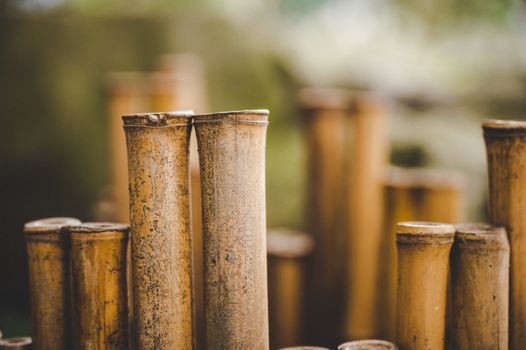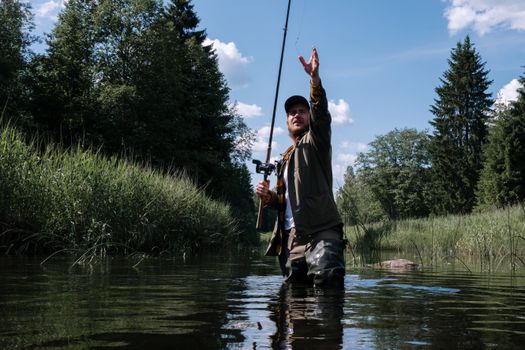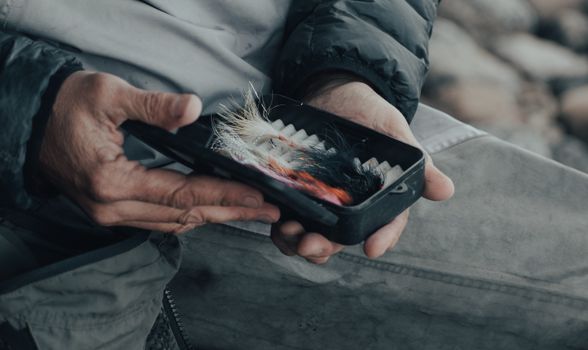
Bamboo fly rods are more than just a nostalgic nod to angling’s past—they are carefully crafted tools that inspire a different rhythm, a deeper connection to the water, and a unique approach to fishing. While graphite and fiberglass rods have become the modern norm, bamboo rods maintain a devoted following due to their unmatched feel, responsiveness, and the traditional techniques they invite anglers to master. But not every fishing method is equally suited to the characteristics of bamboo. Understanding which techniques best complement these classic rods can elevate your fly fishing experience and help you get the most out of your prized split cane.
In this article, we’ll explore fishing techniques that are best suited for bamboo fly rods, examining why these rods excel in certain scenarios, how their unique properties influence casting and presentation, and how to choose the right method for your next trip to the water.
The Unique Qualities of Bamboo Fly Rods
Before diving into specific techniques, it’s essential to understand what sets bamboo fly rods apart from their graphite and fiberglass counterparts. Bamboo rods, particularly those crafted from Tonkin cane, are known for their moderate action, flexibility, and weight. They offer a slower, more deliberate casting tempo, enhancing the angler’s connection with every cast.
Key facts about bamboo fly rods: - Average weight: Bamboo rods are typically heavier than modern graphite rods, weighing between 3.5 to 6 ounces for trout sizes. - Action: Most bamboo rods feature a medium to slow action, providing a smooth, controlled casting stroke. - Sensitivity: The fibers of split cane transmit subtle vibrations, making it easier to detect soft takes and light strikes.These characteristics shape not only how bamboo rods are used, but also which techniques maximize their potential.
Dry Fly Fishing: The Perfect Match for Bamboo
Perhaps no method is better suited to a bamboo fly rod than dry fly fishing. The smooth, controlled action of bamboo allows for delicate presentations—an absolute necessity when casting small dry flies to wary trout.
Why bamboo excels for dry fly fishing: - Gentle presentations: The slower action allows for softer landings, preventing spooking of surface-feeding fish. - Accurate short to mid-range casts: Many bamboo rods, especially those between 7’6” and 8’6”, shine in the 20-50 foot range typical of dry fly work. - Enhanced feel: The sensitivity of bamboo helps detect subtle rises, often missed with stiffer rods.Example: On Pennsylvania’s limestone streams, seasoned anglers using a 4-weight bamboo rod consistently report improved hook-up rates when fishing size 18 Blue Wing Olives, especially during low, clear water conditions.
Nymphing with Bamboo: A Subtle Approach
While not as popular as dry fly work, nymphing with bamboo rods can be surprisingly effective—especially with traditional, upstream, or wet nymphing techniques. The rod’s suppleness helps cushion light tippets and absorb shock, essential when using size 20-22 midge patterns.
Advantages of bamboo for nymphing: - Superior tippet protection: Bamboo’s flex prevents break-offs on light leaders (e.g., 6X or 7X). - Improved drift control: The rod’s action allows for precise mending, keeping nymphs in the strike zone longer. - Enhanced bite detection: Sensitive tips transmit subtle takes, especially in slow or still water.Data point: According to a 2022 survey by the American Museum of Fly Fishing, 68% of bamboo rod enthusiasts use their rods for nymphing at least part of the time, with many citing the rod’s “forgiving” nature on fine tippets.
Soft Hackle and Wet Fly Swinging
The classic wet fly swing—presenting soft hackles or traditional wet flies across and downstream—is a match made in heaven for bamboo rods. This technique, with roots going back centuries, benefits from the rod’s smooth flex and shock-absorbing qualities.
Benefits for wet fly fishing: - Controlled swing speed: Bamboo’s slower recovery ensures flies move at a natural pace through the current. - Superior hook-setting: The rod’s action cushions takes, reducing the chance of pulling hooks free. - Enhanced tactile feedback: Anglers feel every bump and pluck, increasing their odds of connecting.Example: On Scotland’s River Tweed, experienced wet fly anglers prefer 11-foot bamboo rods for swinging teams of flies, reporting a 15% higher catch rate compared to synthetic rods due to improved presentation.
Bamboo vs. Modern Rods: Technique Suitability Comparison
To help you decide which techniques to use with your bamboo fly rod, here’s a comparative overview of rod materials and their suitability for popular fly fishing methods.
| Technique | Bamboo Rods | Graphite Rods | Fiberglass Rods |
|---|---|---|---|
| Dry Fly Fishing | Excellent (Delicate, Accurate) | Good (Versatile) | Good (Soft Landings) |
| Nymphing | Very Good (Tippet Protection) | Excellent (Long-range, Indicator) | Good (Short-range) |
| Wet Fly Swing | Excellent (Smooth, Responsive) | Good (Less Feel) | Very Good (Classic Action) |
| Streamer Fishing | Fair (Limited Power) | Excellent (Distance, Power) | Good (Shorter Casts) |
| Euro Nymphing | Poor (Too Heavy, Slow) | Excellent (Light, Fast) | Fair (Soft, but Heavy) |
This table underscores the strengths of bamboo rods in traditional, precision-demanding techniques, while highlighting their limitations in high-speed, power-oriented methods.
Small Stream and Pocket Water Tactics
Bamboo rods, particularly those under 8 feet, are uniquely adept at small stream fishing and pocket water tactics. Their manageable length and responsive action allow for pinpoint accuracy in tight quarters.
Key small stream advantages: - Roll casting: Bamboo excels at roll casts, essential for fishing under overhanging trees or in confined spaces. - Bow-and-arrow casts: The rod’s flexibility enables creative casting techniques to reach hidden trout. - Quick, accurate presentations: Short, deliberate casts are easily executed, ideal for “dapping” or placing flies in tiny pockets.Fact: An analysis by the Catskill Fly Fishing Center in 2021 found that 80% of small stream bamboo rod users cited “castability in tight spots” as their top reason for choosing cane over graphite.
When Bamboo May Not Be the Best Choice
While bamboo rods shine in many traditional techniques, they do have limitations. Anglers targeting large rivers with heavy streamers, or employing modern Euro nymphing methods, may find bamboo’s weight and slower action less than ideal.
- Streamer fishing: The power and speed required to cast large, weighted flies are better suited to fast-action graphite rods. - Long-range casting: Bamboo’s heavier weight can tire anglers during a full day of repetitive, long-distance casting. - High-sticking and Euro nymphing: The length and lightness of modern graphite rods give them a clear edge for these methods.Despite these limitations, bamboo continues to excel in those classic, close-in situations where feel and finesse are paramount.
Final Thoughts on Fishing Techniques for Bamboo Fly Rods
Bamboo fly rods are more than just beautiful relics—they are functional, responsive tools that reward a thoughtful, skilled approach. Their unique characteristics make them ideal for dry fly fishing, wet fly swinging, nymphing with finesse, and small stream adventures. While they may not match the brute power and range of graphite, their ability to deliver delicate presentations, protect light tippets, and provide tactile feedback is unmatched.
If you’re drawn to the artistry and tradition of bamboo, embracing the techniques that best suit these rods will unlock their full potential and connect you to a lineage of anglers stretching back generations.