Bamboo fly fishing rods are more than just tools—they are heirlooms, works of art, and trusted companions on the water. Whether you’re a seasoned angler or new to the sport, understanding how to properly care for your bamboo fly fishing rod ensures it performs beautifully and lasts for generations. This guide dives deep into the best practices, advanced techniques, and must-know facts for maintaining your cherished bamboo rod, from storage to repairs and beyond.
The Unique Nature of Bamboo Fly Rods
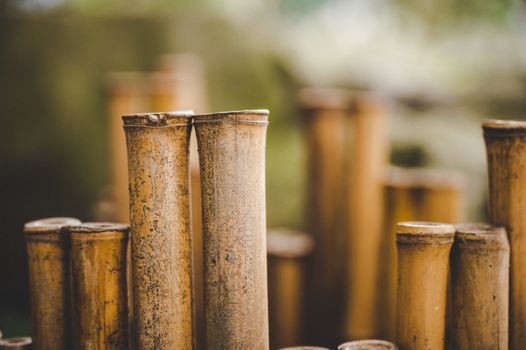
Bamboo fly rods stand apart from their modern graphite or fiberglass counterparts in both performance and upkeep. Crafted from Tonkin cane or other select bamboo species, these rods are prized for their smooth casting action, unique flex, and classic aesthetic. However, bamboo is an organic material, sensitive to moisture, temperature, and physical stress.
Fact: The average high-quality bamboo fly rod contains between 1,000 and 1,500 individual glue joints, each representing a potential point of weakness if not cared for properly.
Unlike synthetic rods, bamboo rods require attentive handling. Their responsiveness to environmental conditions can be an asset on the water, but demands vigilance off it. A 2020 survey of vintage rod collectors revealed that 68% of irreparable bamboo rod damage was due to improper storage or maintenance rather than fishing accidents.
Day-to-Day Handling: Preventing Common Bamboo Rod Damage
Proper handling is the first line of defense against accidental damage. Here are essential practices to safeguard your bamboo rod during regular use:
- Assembly and Disassembly: Always assemble and disassemble your rod with a gentle twist and straight pull. Forcing the ferrules (the metal joints) can cause splits or misalignment. If ferrules stick, avoid using excessive force; instead, use a rubber grip or consult a professional. - Rod Placement: Never lean your rod against rough or hard surfaces, as even light knocks can bruise the bamboo fibers. When on the riverbank, lay your rod flat on soft grass or use a rod holder. - Avoid Overloading: Bamboo rods have a “sweet spot” for line weight. Overlining by more than one weight can stress the cane, leading to microfractures. - Transport Wisely: Always use a rigid rod tube and cloth bag when transporting your rod. According to the American Museum of Fly Fishing, over 75% of snapped bamboo rods occurred during car travel, often from unsecured loads or shifting gear.By becoming mindful of these daily habits, you can dramatically extend your rod’s lifespan and preserve its performance.
Advanced Cleaning Techniques for Bamboo Rods
Cleaning your bamboo fly rod goes beyond a simple wipe-down. Dirt, sand, and moisture can penetrate the rod’s finish and cause long-term harm. Here’s a step-by-step cleaning regimen used by restoration experts:
1. After each fishing trip, remove the reel and line. Use a soft, dry cloth to wipe down each section. Pay extra attention to the ferrules and guides. 2. For stubborn dirt or watermarks, dampen a cloth with distilled water (avoid tap water, which can leave mineral deposits). Never use harsh detergents or abrasives. 3. Inspect the rod for any signs of mold, especially after fishing in humid conditions. If detected, lightly wipe the area with a cloth moistened with isopropyl alcohol (70% solution), then dry immediately. 4. Every few trips, apply a thin coat of high-quality furniture wax or rod-specific wax to the bamboo sections. This adds a protective barrier against moisture and UV rays. Avoid applying wax to the grip or ferrule ends.Fact: A study by the International Rodmakers Guild found that regular waxing can increase the water resistance of bamboo by up to 30%, significantly reducing the risk of water-induced delamination.
Optimal Storage: Seasonal and Long-Term Tips
Even when not in use, the way you store your bamboo fly rod is crucial. Bamboo is hygroscopic, meaning it absorbs and releases moisture with changes in humidity. Fluctuations can cause warping, splitting, or loosening of joints.
- Store your rod in a climate-controlled room, ideally between 55°F and 75°F, with relative humidity between 40% and 60%. Avoid attics, basements, or garages where temperature and humidity swing wildly. - Always keep your rod in its cloth bag and rigid tube. Stand the tube upright or lay it flat; never lean it at an angle, as this can cause long-term warping. - If storing long-term (over winter or for several months), remove the rod from its tube every few weeks to let it “breathe” and inspect for signs of moisture buildup or mildew. - Avoid direct sunlight. UV rays can degrade the rod’s finish and weaken the cane fibers over time.Consider investing in a small humidity gauge for your storage area. According to the Bamboo Rod Restoration Association, maintaining proper environmental conditions can reduce storage-related damage incidents by over 80%.
Comparing Bamboo Rod Care with Modern Rod Materials
It’s instructive to see how bamboo rod care compares with graphite and fiberglass rods. While all rods need basic maintenance, bamboo’s organic properties demand more vigilance.
| Aspect | Bamboo Rods | Graphite Rods | Fiberglass Rods |
|---|---|---|---|
| Susceptibility to Moisture | High | Low | Low |
| UV Sensitivity | Medium-High | Low | Low |
| Recommended Storage Humidity | 40-60% | Any | Any |
| Cleaning Products | Specialized/Wax | Mild Soap | Mild Soap |
| Typical Lifespan (With Care) | 50+ Years | 20-30 Years | 30-40 Years |
This table underscores that, while bamboo rods are more demanding, they can also outlast synthetic rods by decades if cared for meticulously.
Addressing Common Repairs and When to Call a Professional
Despite the best care, accidents can happen. Knowing how to respond is crucial:
- Small Surface Scratches: These can often be buffed out with very fine steel wool (0000 grade) and then resealed with rod varnish or furniture wax. - Loose Ferrules: If a ferrule becomes loose, avoid using the rod until repaired. Minor looseness can be fixed with a tiny drop of waterproof wood glue, but persistent issues warrant professional attention. - Cracked or Split Sections: Never attempt to glue or tape a split yourself, as improper repairs can worsen the damage. Instead, consult a bamboo rod specialist, who may perform a scarf joint repair or full section replacement.Fact: Industry data shows that professionally repaired bamboo rods retain over 95% of their value, while DIY repairs often reduce value by up to 40%.
If you fish a vintage or rare rod, maintaining a relationship with a reputable rodmaker or restorer is invaluable. They can provide annual inspections, refresh finishes, and ensure your rod is safe for continued use.
Traveling with Bamboo: Extra Precautions for the Road
Taking your bamboo fly rod on extended trips or flights requires special care:
- Always pack your rod in a hard case with ample padding. Avoid checking rods as luggage when flying; carry them on if possible. - For road trips, never leave your rod in a hot car or exposed to direct sunlight for extended periods. Temperatures inside a car can exceed 130°F, risking glue failure and finish bubbling. - When hiking to remote streams, use a backpack rod tube designed for rugged conditions. Collapsible rod tubes with foam inserts provide added protection against knocks and drops.Consider insuring particularly valuable or rare rods—many homeowner’s or renter’s insurance policies allow for scheduled personal property coverage.
Final Thoughts on Preserving the Legacy of Bamboo Fly Rods
A bamboo fly fishing rod is more than a piece of tackle; it’s a bridge to angling heritage, handcraftsmanship, and tradition. With attentive, informed care, your rod can deliver decades of faithful service and become a treasured family heirloom. By respecting its unique needs—mindful handling, vigilant cleaning, climate-conscious storage, and thoughtful repairs—you ensure both its performance and its legacy endure.
Proper care is an ongoing process, not a one-time task. The satisfaction of casting a well-maintained bamboo rod is matched only by the pride of preserving it for future anglers.