Bamboo Fly Rod vs. Modern Materials: Pros and Cons for Today’s Anglers
Fly fishing has evolved dramatically over the past century, but one debate remains timeless: Should you choose a classic bamboo fly rod or embrace the innovations of modern materials like graphite, fiberglass, or carbon fiber? This decision impacts not only the way you fish but also your connection to the history, craftsmanship, and performance of your equipment. Below, we’ll dive deep into the real-world pros and cons of bamboo fly rods versus those crafted from modern materials, helping you make an informed choice for your next angling adventure.
The Unique Appeal of Bamboo Fly Rods
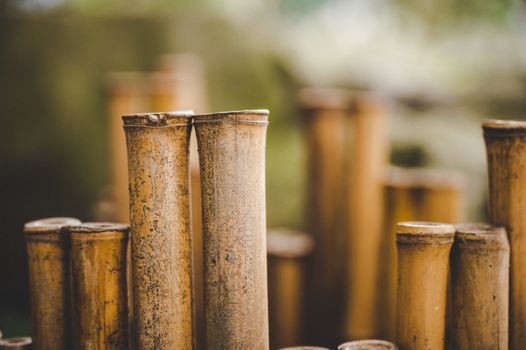
Bamboo fly rods, often called “split cane” rods, represent the earliest era of fly fishing innovation. Made from Tonkin cane primarily sourced from China, these rods are painstakingly crafted by hand—a process that can take up to 80 hours for a single rod. Many anglers are drawn to bamboo for its:
- $1: Bamboo rods date back to the mid-1800s and were the gold standard for much of the 20th century. - $1: Each rod is unique, showcasing the natural grain and color of the cane, often finished with hand-lacquered wraps. - $1: Bamboo rods famously offer a smooth, slow action that many anglers describe as “alive” in the hand.However, bamboo rods aren’t just nostalgic relics. They’re still produced by artisan rod makers worldwide, with prices ranging from $600 for entry-level handmade rods to over $5,000 for rare or custom-crafted examples.
The Technological Edge of Modern Fly Rod Materials
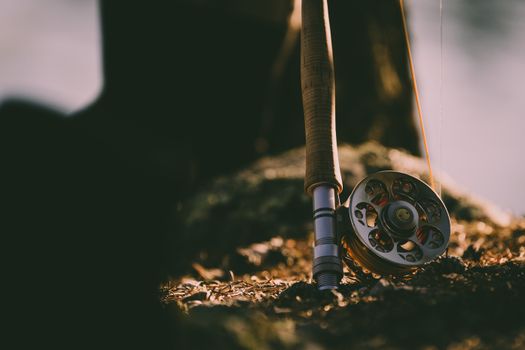
Modern fly rods, primarily constructed from graphite, fiberglass, or carbon fiber, have revolutionized the sport since the 1970s. The advantages of these materials include:
- $1: The average modern fly rod weighs between 2.5 and 4 ounces, significantly lighter than bamboo counterparts, which typically weigh 4 to 6 ounces. - $1: Graphite and carbon fiber rods can withstand higher stress loads and are less prone to breakage from impacts. - $1: These rods are engineered for rapid energy transfer, allowing for longer casts and better line control—essential for fishing large rivers or windy conditions.Fiberglass rods, meanwhile, have seen a resurgence for their unique “medium-slow” flex and durability, filling a niche between bamboo’s classic feel and graphite’s high performance.
Weight, Strength, and Performance: A Side-by-Side Comparison
To better understand the trade-offs, let’s compare bamboo, graphite, and fiberglass rods on key performance metrics:
| Feature | Bamboo Rod | Graphite Rod | Fiberglass Rod |
|---|---|---|---|
| Average Weight (8' 5wt) | 5.5 oz | 3.0 oz | 4.2 oz |
| Action | Slow/Medium | Fast/Medium-Fast | Medium/Slow |
| Durability | Moderate (prone to impact damage) | High (resistant to breakage) | Very High (flexible, resists snapping) |
| Cost Range | $600–$5,000+ | $100–$1,000 | $150–$700 |
| Maintenance Needs | High (sensitive to moisture & care) | Low | Low |
| Environmental Impact | Low (renewable resource) | Moderate/High (synthetic, energy-intensive) | Moderate |
This table highlights that bamboo shines in tradition and eco-friendliness, while modern rods win in weight, cost, and ruggedness.
The Pros and Cons of Bamboo Fly Rods
Bamboo fly rods are much more than functional tools—they are works of art, steeped in tradition and craftsmanship. Here’s what you need to know about their strengths and weaknesses:
$1 - $1: Fishing with bamboo connects anglers to a 150-year-old tradition. - $1: The slow action and supple flex provide a unique casting rhythm, favored for delicate dry fly presentations. - $1: Each rod is a handcrafted unique piece, often increasing in value over time. - $1: Bamboo is a renewable resource, making these rods a greener choice. $1 - $1: Typically heavier, which can cause fatigue over long fishing days. - $1: Sensitive to moisture, heat, and impacts—requires careful drying and periodic oiling. - $1: More susceptible to breakage from accidental knocks or high-stress loads. - $1: Due to labor-intensive manufacturing, bamboo rods are significantly more expensive than most modern rods.A 2021 survey from the American Museum of Fly Fishing found that only about 3% of new rods sold in the U.S. each year are bamboo, reflecting their niche appeal.
The Pros and Cons of Modern Material Fly Rods
The widespread adoption of graphite and carbon fiber has made fly rods lighter, stronger, and more affordable. Here’s a breakdown:
$1 - $1: Reduced weight means less fatigue and easier casting, especially over long distances. - $1: Better resistance to impacts, bending, and environmental hazards. - $1: Fast action rods enable efficient energy transfer for longer, more accurate casts—even in wind or with heavy flies. - $1: Mass production keeps entry-level prices accessible, with quality rods available for under $200. $1 - $1: Some anglers find modern rods too stiff or “lifeless” compared to bamboo’s organic action. - $1: Synthetic materials require significant energy to produce and are not biodegradable. - $1: Mass-produced rods are often seen as less collectible or meaningful compared to handcrafted bamboo.According to industry data, over 90% of rods sold worldwide in 2023 were made from graphite or carbon fiber, highlighting their dominance in the market.
When to Choose Bamboo vs. Modern Materials
The “right” choice depends on your personal preferences, fishing style, and the types of waters you frequent. Here are some scenarios to help guide your decision:
- $1: Bamboo excels here. Its gentle action is perfect for delicate presentations and short casts. The weight is less of a concern during brief outings. - $1: Modern graphite rods shine for long casting sessions, large rivers, or when targeting bigger species. Their lightness and power reduce fatigue and improve distance. - $1: Graphite and fiberglass rods are often available in 4-8 piece configurations, making them easy to pack for trips. Bamboo rods are usually two-piece and bulkier. - $1: Bamboo rods are heirloom pieces, often treasured by collectors or given as special gifts. - $1: Modern rods offer more options for those just starting out or on a strict budget.Interestingly, some advanced anglers own both, using bamboo for nostalgic days on the stream and graphite for competitive or challenging conditions.
Longevity and Investment: Which Rod Lasts Longer?
One of the less-discussed aspects of rod choice is longevity—not only in terms of physical durability but also long-term investment value.
- $1, if properly cared for, can last many decades and even increase in value, especially if made by renowned makers like H.L. Leonard or Paul H. Young. There are bamboo rods from the 1920s and 1930s still in use today, and some rare models have sold at auction for over $15,000. - $1 are generally more robust against everyday mishaps and require less maintenance. However, technological advancements can make older models obsolete, and resale values typically depreciate.A 2022 study by the International Fly Tackle Dealer Association found that 67% of bamboo rod owners viewed their rods as “family heirlooms,” while only 12% of graphite rod owners felt similarly about their gear.
Final Thoughts: Choosing the Best Fly Rod for You
Whether you lean toward the soulful tradition of bamboo or the cutting-edge performance of modern materials, your fly rod is an extension of your angling philosophy. Bamboo rods offer unmatched heritage, artistry, and a unique casting experience, perfect for those who savor every moment on the water. Modern rods, on the other hand, provide lightweight convenience, rugged durability, and high performance at an accessible price.
Your choice may come down to the kind of fishing you enjoy, your respect for tradition, and your connection to the craft. Many passionate anglers eventually own both—a testament to the enduring charm of bamboo and the undeniable advantages of modern technology.