Fly fishing, revered for its blend of skill, patience, and communion with nature, is a sport where gear choices can deeply influence the angling experience. One of the most debated topics among enthusiasts—both seasoned and new—is the ongoing rivalry between organic and synthetic fly rod materials. With advances in manufacturing and a renewed appreciation for tradition, anglers face a compelling decision: opt for the time-honored elegance of bamboo or the cutting-edge performance of graphite and fiberglass? This article delves into the heart of the “organic vs synthetic” fly rod material debate, exploring their unique characteristics, performance on the water, environmental impact, and long-term value.
The Roots and Rise of Organic Fly Rod Materials
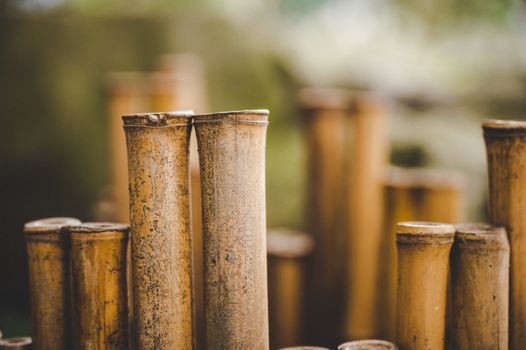
Organic fly rod materials refer to naturally derived substances—most notably bamboo. For centuries, bamboo has been prized for its flexibility, responsiveness, and aesthetic beauty. The golden age of bamboo rods began in the late 1800s, with craftsmen in the United States and England perfecting split cane construction techniques. During the mid-20th century, bamboo was the standard for fly rod manufacturing.
Bamboo is not just about nostalgia. It offers a slow, smooth action that many anglers find deeply satisfying, especially for dry fly fishing and delicate presentations. Each bamboo rod is unique, crafted by hand and finished with care, making them as much a work of art as a fishing tool.
Despite its allure, bamboo production is labor-intensive. A single high-quality split cane rod can take upwards of 60 hours to build. The process involves precise splitting, planing, gluing, binding, and finishing—the result is a rod that can last decades if properly cared for. Some vintage rods have sold at auction for over $20,000, attesting to their revered status and collectibility.
Synthetic Materials: Technology Meets the River
Synthetic fly rod materials—primarily fiberglass and graphite (carbon fiber)—ushered in a new era of fishing rod design starting in the 1950s. Fiberglass rods were first to challenge bamboo's dominance, offering increased durability and affordability. However, it was graphite, introduced in the 1970s, that revolutionized performance. Today, over 90% of modern fly rods are made from graphite composites.
Graphite's appeal lies in its lightweight, high strength-to-weight ratio, and versatility. These rods are capable of fast-action casting, making them ideal for covering large rivers or handling wind. The increased stiffness allows for longer, more accurate casts and easier control of larger fish. Modern manufacturing techniques enable precise tuning of rod actions, from ultra-fast to slow, giving anglers a broad spectrum of choices.
Fiberglass, while less common today, offers a nostalgic, forgiving action similar to bamboo but at a fraction of the cost. It remains popular among small stream enthusiasts and those seeking a vintage aesthetic.
Performance Showdown: Action, Strength, and Sensitivity
The choice between organic and synthetic materials often comes down to how a rod feels and performs on the water. Let’s break down some key characteristics:
- $1 Bamboo rods generally provide a slow to medium action, loading deeply and offering unmatched delicacy for close-range casting. Graphite rods, on the other hand, are available in a wide range of actions, with fast-action models excelling in distance and accuracy. - $1 Graphite rods are significantly lighter than bamboo, often by as much as 30-40%. For example, a modern 9-foot graphite rod typically weighs 2.5-3 ounces, while a comparable bamboo rod may weigh 4-5 ounces or more. - $1 Bamboo transmits subtle vibrations, giving anglers a tactile connection to the line and fish. Graphite rods, thanks to their stiffness, also offer excellent sensitivity, especially for detecting light strikes at distance. - $1 While bamboo rods are resilient and can last generations with care, they are susceptible to moisture, temperature swings, and physical impact. Graphite and fiberglass are largely impervious to weather and rough handling.Below is a comparative look at key features:
| Feature | Bamboo (Organic) | Graphite (Synthetic) | Fiberglass (Synthetic) |
|---|---|---|---|
| Average Weight (9 ft rod) | 4-5 oz | 2.5-3 oz | 3.5-4 oz |
| Action | Slow to Medium | Ultra-fast to Slow | Medium to Slow |
| Durability | High (with care) | Very High | High |
| Environmental Impact | Biodegradable, renewable | Energy-intensive, not biodegradable | Moderate energy use |
| Cost Range | $800-$4,000+ | $100-$1,000+ | $100-$600 |
| Typical Lifespan | 50+ years (with maintenance) | 20-40 years | 20-30 years |
Environmental Considerations: Sustainability and Impact
For many anglers, the environmental impact of their gear is an important factor. Bamboo, as a naturally regenerating grass, is considered a renewable resource. A mature bamboo culm can be harvested after 5-7 years, and responsible growers ensure continuous replanting. At the end of its life, a bamboo rod is biodegradable, with metal hardware easily recycled.
Synthetic rods, primarily graphite, present a different story. Graphite and fiberglass are derived from energy-intensive industrial processes. According to the International Energy Agency, producing one kilogram of carbon fiber emits approximately 29 kg of CO2, compared to bamboo’s minimal carbon footprint. Additionally, disposal of synthetic rods can be problematic, as composites are not biodegradable and recycling options are limited.
However, synthetic rods often last for decades and require less maintenance, potentially offsetting some environmental concerns. Some manufacturers are also exploring recycled carbon fiber and eco-friendly resins, signaling a shift towards greener production methods.
Investment Value and Longevity: Which Rod Stands the Test of Time?
Bamboo rods, when properly cared for, can last a lifetime and even appreciate in value. Certain makers—such as H.L. Leonard, Payne, and Garrison—have rods that now fetch tens of thousands of dollars at auction. Their rarity, craftsmanship, and historical significance make them prized collectibles.
Graphite and fiberglass rods, while not typically considered investments, offer longevity through durability and consistent performance. Modern graphite rods can easily last 20-40 years with minimal maintenance. Fiberglass rods from the mid-20th century have also developed cult followings, with vintage examples occasionally commanding high prices among collectors.
The choice here largely depends on your angling priorities: are you seeking a rod to cherish, maintain, and pass down, or a high-performance tool to tackle challenging conditions and species?
Personal Preference and Practical Considerations
Ultimately, the decision between organic and synthetic fly rod materials is a personal one, shaped by factors like fishing style, target species, environment, and even emotional connection to the gear. Here are some key considerations:
- $1 For small streams and delicate presentations, bamboo or fiberglass rods shine. For big rivers, saltwater, or windy days, graphite’s power and distance capabilities are hard to beat. - $1 Bamboo requires regular care—wiping down after use, avoiding prolonged exposure to moisture or sun, and periodic inspection. Graphite and fiberglass are far less demanding. - $1 Bamboo rods are a significant investment, both upfront and in terms of maintenance. Synthetics offer a wide range of price points, making fly fishing more accessible. - $1 For those drawn to the romance of angling, the handcrafted beauty of bamboo is unmatched. If performance and convenience are your priorities, graphite or fiberglass may be more appealing.Why Material Choice Matters for Every Angler
The debate between organic and synthetic fly rod materials is more than just technical—it’s about how you connect to the sport, the water, and tradition. Bamboo rods embody history, craftsmanship, and a certain poetry of movement, while synthetic rods represent innovation, accessibility, and raw performance.
Both options have their champions, and neither is objectively superior. The best rod is the one that feels right in your hands, meets your fishing needs, and brings you joy on the water. Whether you cast with split cane or carbon fiber, the experience of fly fishing remains timeless.