Fly fishing isn’t just a pastime; for many, it’s a way to immerse themselves in nature and connect with the environment. As concerns about the impact of our hobbies on the natural world grow, anglers are increasingly seeking equipment that aligns with eco-friendly values. Among the options available, split cane fly rods—often called bamboo fly rods—have stood the test of time, not just for their craftsmanship and performance, but also for their green credentials. But what exactly makes split cane rods an environmentally conscious choice? Let’s take a closer look at the eco-friendly aspect of split cane fly rods, from their raw materials to their long-term sustainability.
The Natural Origins of Split Cane Fly Rods
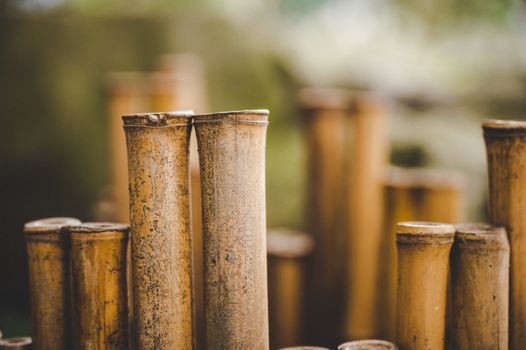
Split cane fly rods are primarily crafted from Tonkin bamboo (Arundinaria amabilis), a species native to a limited region in southern China. Unlike synthetic materials such as carbon fiber or fiberglass, bamboo is a naturally renewable resource. Each mature culm of Tonkin bamboo can reach up to 12 meters in height in just 3-5 years. This rapid regrowth rate is significantly faster than the decades it takes for hardwood trees to mature, making bamboo an inherently sustainable material.
Harvesting bamboo for rod-making is done selectively and with minimal environmental disruption. Properly managed bamboo groves can be harvested continuously without depleting local ecosystems. According to the International Network for Bamboo and Rattan (INBAR), bamboo can sequester up to 12 tons of carbon dioxide per hectare per year, helping to offset greenhouse gas emissions.
Low-Impact Production Processes
Unlike the manufacture of modern graphite or fiberglass rods, which often involves energy-intensive processes and petrochemical resins, split cane rods are shaped and assembled by hand. The traditional methods used to split, plane, and bind bamboo into fly rods require minimal machinery and little to no fossil fuel usage.
Most split cane rods are crafted in small workshops or by individual artisans. This small-scale production model results in a far smaller carbon footprint compared to mass-produced synthetic rods. Additionally, the adhesives and varnishes used in split cane rod production have evolved. Many rod makers now opt for water-based or plant-derived finishes, further reducing the use of volatile organic compounds (VOCs) and hazardous chemicals.
Durability and Longevity: Reducing Waste
One of the most compelling eco-friendly aspects of split cane fly rods is their incredible longevity. With proper care, a well-made bamboo rod can last generations. Some rods from the early 1900s are still in use today, a testament to their durability.
This longevity stands in stark contrast to many modern rods, which can become obsolete or fail after only a few years. The use-and-dispose mentality common with synthetic products leads to significant waste. According to a 2020 report by the United States Environmental Protection Agency (EPA), Americans generated over 292 million tons of municipal solid waste in 2018, with plastics making up over 12%. Bamboo rods, being biodegradable and repairable, help break this cycle.
Biodegradability and End-of-Life Impact
When a bamboo rod finally reaches the end of its useful life, its environmental footprint remains low. Bamboo is fully biodegradable, decomposing naturally without leaving harmful residues. The same cannot be said for graphite and fiberglass rods, which can take hundreds of years to break down and often release toxic substances as they degrade.
Moreover, metal ferrules and hardware used in bamboo rods are typically made from brass or nickel silver—both of which are recyclable. In contrast, many synthetic rods include mixed materials and epoxy resins, making recycling difficult or impossible.
Supporting Local and Sustainable Economies
The eco-friendly benefits of split cane fly rods extend beyond the rods themselves to the communities involved in their production. In China, the careful management of Tonkin bamboo groves provides stable employment for local farmers while incentivizing the protection of native bamboo forests. In the rod-making world, many artisans operate small, local businesses rather than large factories, promoting sustainable livelihoods and keeping profits within local economies.
Supporting smaller-scale, eco-conscious businesses also helps preserve traditional crafts and reduces the demand for industrial-scale manufacturing, which often comes at a heavy environmental cost.
Comparing the Environmental Impact: Split Cane vs. Synthetic Rods
To better understand the eco-friendly aspect of split cane fly rods, it’s helpful to compare their environmental impact with that of their main competitors—graphite and fiberglass rods. The following table highlights key differences:
| Aspect | Split Cane (Bamboo) | Graphite | Fiberglass |
|---|---|---|---|
| Raw Material Source | Renewable, naturally grown bamboo | Petroleum-based carbon fiber | Silica sand + petrochemicals |
| Energy Use in Production | Low (handcrafted, minimal machinery) | High (energy-intensive manufacturing) | Moderate (requires high heat and resins) |
| Biodegradability | Fully biodegradable | Non-biodegradable, landfill waste | Non-biodegradable, landfill waste |
| Longevity | 50+ years (with care) | 5-20 years (variable) | 10-20 years (variable) |
| Repairability | High (can be re-wrapped, refinished) | Often difficult or impossible | Limited repair options |
| End-of-Life Impact | Low (natural decomposition, recyclable metals) | High (plastic and resin waste) | High (mixed material waste) |
This comparison makes it clear: split cane fly rods offer significant environmental advantages at every stage of their lifecycle.
Preserving Tradition While Protecting Nature
The story of split cane fly rods is also a story of tradition and stewardship. By choosing a bamboo rod, anglers aren’t just selecting a tool—they’re participating in a legacy of sustainable craftsmanship. This tradition places value on quality, repairability, and resourcefulness, all of which align with modern principles of sustainability.
Additionally, many rod makers are now actively engaged in environmental conservation efforts. Some donate a portion of their proceeds to river restoration projects or habitat protection, further enhancing the positive impact of choosing a split cane rod.
The Eco-Friendly Legacy of Split Cane Fly Rods
In an age where sustainability is more important than ever, split cane fly rods represent a thoughtful choice for anglers who want to minimize their environmental impact. From their renewable raw materials and low-impact production to their durability, repairability, and biodegradability, these rods offer a clear path toward greener angling.
Choosing a split cane fly rod isn’t just about performance or aesthetics; it’s a statement of respect for the natural world. As more anglers embrace eco-friendly gear, the legacy of split cane craftsmanship stands as a model for how tradition and sustainability can go hand in hand.