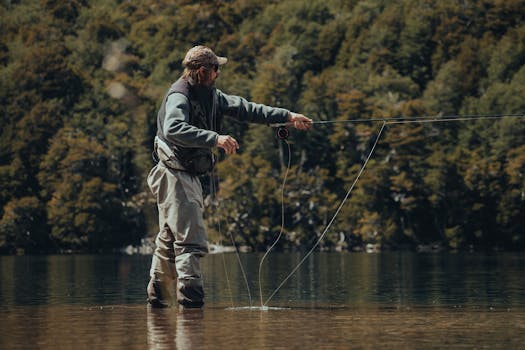
The Elegant Evolution: The History of Bamboo Fly Fishing Rods in the Czech Republic
Few angling traditions are as deeply intertwined with heritage, artistry, and nature as the craft of bamboo fly fishing rods. While the global history of bamboo rods traces its roots to 19th-century England and America, the Czech Republic has cultivated a unique and compelling story of its own. From secret workshops in the Bohemian countryside to modern-day collector’s showcases, Czech bamboo rods represent a blend of innovation, adaptation, and national passion. Understanding the history of bamboo fly fishing rods in the Czech Republic unveils not only the evolution of a beloved angling instrument but also the cultural journey of Czech fly fishing itself.
The Beginnings: Fly Fishing Traditions Before Bamboo
To appreciate the impact of bamboo rods in Czech angling, it’s crucial to look at the pre-bamboo era. Fly fishing as a practice in the Czech lands dates back to at least the 17th century. Early Czech anglers, particularly in the regions of Bohemia and Moravia, primarily used rods made from locally available woods such as ash, hazel, or willow. Fishing was both a subsistence activity and a pastime for the nobility, who often fished the abundant trout streams flowing through the mountains and foothills.
By the late 1800s, the first mentions of fly fishing clubs appear in Czech historical records. However, the rods of this era were heavy, cumbersome, and lacked the delicate action that would later define bamboo rods. Czech anglers were aware of the innovations happening in the West, particularly in England and France, and many sought to acquire or replicate these advanced tools.
The Arrival of Bamboo: Craftsmanship and Innovation
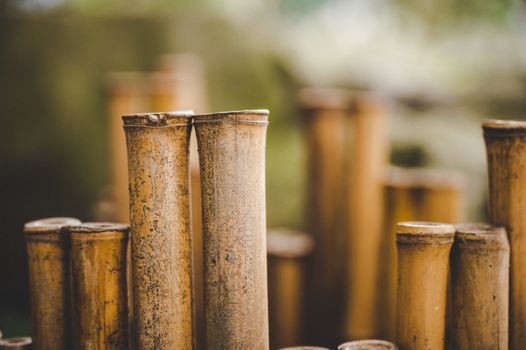
The true revolution in Czech fly fishing began around the turn of the 20th century, when Tonkin cane (Arundinaria amabilis) — the prized bamboo species for rod making — started making its way into Central Europe. Initially, bamboo rods were imported, often at great expense, and seen as luxury items reserved for wealthy enthusiasts or professionals.
By the 1920s and 1930s, Czech craftsmen began experimenting with making their own split cane rods. These artisans, often working in small workshops or even at home, studied foreign examples and read technical articles published in German and Austrian fishing magazines. Among the most notable early Czech rod makers was Karel Nikl, whose rods became coveted for their balance and durability.
The interwar years were a period of rapid growth in Czech fly fishing culture. By 1938, over 150 fly fishing clubs were registered in the country, and bamboo rods were increasingly seen as the standard for serious anglers. Czech makers began to refine their own techniques, favoring light, sensitive rods ideal for the region’s fast, clear streams.
War, Isolation, and Adaptation: The Communist Era
World War II and the subsequent establishment of communist rule in Czechoslovakia had a profound impact on all aspects of daily life, including fishing. Imports of foreign goods, including Tonkin cane, were severely restricted. Yet, the passion for fly fishing did not wane. Czech anglers and craftsmen became highly resourceful, making do with whatever materials were available. Many began to use other types of bamboo, sometimes scavenged from local gardens or greenhouses, and even repurposed old furniture.
Despite these challenges, a small but dedicated community of bamboo rod makers survived. The 1950s and 1960s saw the rise of rod-building clubs, where knowledge was shared and collective ingenuity thrived. One notable figure was Jaroslav Opalecky, a schoolteacher from Eastern Bohemia, who is credited with training dozens of amateur rod makers and publishing one of the first Czech-language guides to bamboo rod construction.
While bamboo rods remained popular, the introduction of fiberglass and later graphite rods in the 1970s gradually shifted preferences, especially among competitive anglers. Nevertheless, bamboo rods continued to be cherished by traditionalists, collectors, and those who valued the distinct casting feel that only split cane could provide.
Modern Renaissance: The Revival of Czech Bamboo Rod Craft
After the fall of communism in 1989, the Czech Republic experienced a renaissance in many traditional crafts, including bamboo rod making. The opening of borders meant that high-quality Tonkin cane and specialized tools could once again be imported from abroad. Czech artisans, now able to study with masters from England, Japan, and the United States, began to blend traditional Czech techniques with modern innovations.
By the early 2000s, a new generation of Czech bamboo rod makers had emerged. Rods produced by modern Czech craftsmen are now highly sought after, not only by local anglers but also by collectors internationally. According to the Czech Anglers Association, there are currently more than 30 active professional bamboo rod makers in the country, with an estimated 1,200 rods produced annually.
Distinctively, Czech bamboo rods are often lighter and shorter than their American or British counterparts, reflecting the unique demands of Czech-style nymphing—a method that originated in the Czech Republic and has won global acclaim in international fly fishing competitions.
Czech Bamboo Rods Compared: Traditional vs. Modern Approaches
To illustrate the evolution of Czech bamboo rod making, it’s helpful to contrast traditional and modern approaches. The following table highlights key differences:
| Feature | Traditional Czech Bamboo Rods (1900-1970) | Modern Czech Bamboo Rods (1990-Present) |
|---|---|---|
| Material Source | Local bamboo or imported Tonkin cane (rare) | High-grade Tonkin cane, imported tools & finishes |
| Production Method | Hand-split, hand-planed, minimal machinery | Hand-crafted with precision tools, some CNC assistance |
| Rod Length | Typically 7 to 8.5 feet | Typically 6.5 to 8 feet, optimized for Czech nymphing |
| Weight | Heavier due to materials and ferrule types | Lighter, improved ferrules, modern glues and finishes |
| Price (2024) | N/A (vintage, collectible) | €700–€2,400 per rod |
Notable Czech Rod Makers and Their Legacy
The legacy of bamboo rod making in the Czech Republic is richly interwoven with the lives and passions of specific makers. Karel Nikl, as mentioned, was one of the earliest innovators, but many others have contributed to the Czech tradition.
In recent decades, rod makers such as Petr Zeman and Milan Janata have garnered international recognition. Zeman, based in Prague, is known for his meticulous recreations of pre-war Czech designs, while Janata, from Southern Moravia, specializes in rods tailored for Czech nymphing techniques. Their rods have been featured in European angling exhibitions and are highly prized by both anglers and collectors.
Czech rod makers also play a vital role in education and community. Annual workshops and seminars attract beginners and experienced builders alike, ensuring that the heritage of bamboo rod craftsmanship continues to thrive. According to a 2022 survey by the Czech Fishing Union, 60% of participants in these workshops were under 35, indicating a promising future for the craft.
The Cultural Impact: Bamboo Rods in Czech Angling Identity
Beyond their practical use, bamboo fly fishing rods have become symbols of Czech angling culture. Whether displayed in a local fishing museum or passed from one generation to the next, bamboo rods evoke nostalgia and pride. They appear in Czech literature, art, and even cinema, often representing a connection to nature and tradition.
The Czech Republic’s international reputation in competitive fly fishing is also linked to bamboo rods. While most competition anglers now use modern materials, many attribute their foundational skills to early experiences with split cane. The careful, precise casting required by bamboo rods is credited with helping develop the unique Czech nymphing technique that dominates the global scene today.
Looking Ahead: The Future of Bamboo Fly Rods in the Czech Republic
The story of bamboo fly fishing rods in the Czech Republic is far from over. As sustainability and artisanal skills return to the fore of consumer preferences, bamboo rods are seeing renewed interest both as functional tools and as works of art. The craft has become a point of national pride, and Czech-made rods are increasingly featured in international auctions and exhibitions.
Modern Czech rod makers are experimenting with new tapers, joint designs, and even hybrid materials, all while honoring the traditions of their predecessors. With more Czech anglers embracing the slow, thoughtful rhythm of bamboo fly fishing, it’s clear that the legacy of split cane will continue to shape the country’s angling culture for generations to come.