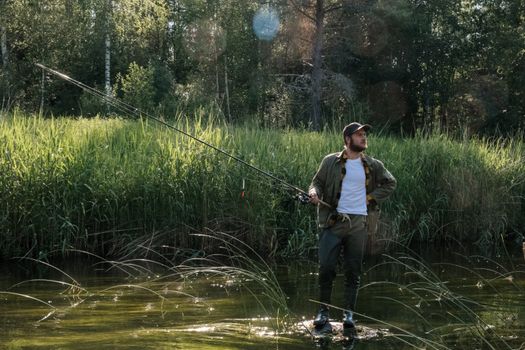
Split cane rods, also known as bamboo fly rods, are synonymous with the art and tradition of fly fishing. For many anglers, owning and using a split cane rod is about more than just catching fish—it’s about craftsmanship, heritage, and a unique connection to the water. Today’s market offers a range of brands, each with its own approach to materials, construction, and performance. But with so many choices, how do you decide which brand of split cane rod is best for your needs? In this comprehensive comparison, we’ll explore the leading brands, examine their strengths and weaknesses, and help you find the perfect rod for your fishing style and budget.
The Art and Science Behind Split Cane Rods
Split cane rods are crafted from Tonkin bamboo, a material prized for its unique blend of strength, flexibility, and lightness. Unlike modern graphite or fiberglass rods, each split cane rod is painstakingly built by hand, often requiring more than 60 hours of labor. The meticulous construction process involves splitting the bamboo, planing it into strips, gluing the strips together, and finally, varnishing and assembling the components.
Brands differ significantly in their approach to design and craftsmanship. Some brands adhere to traditional tapers and finishes, while others experiment with modern techniques and aesthetics. The result is a diverse range of rods, each with its own personality, casting feel, and durability. According to the Fly Fishers International, fewer than 1,000 new split cane rods are produced annually worldwide, making each one a functional work of art.
Top Split Cane Rod Brands: A Closer Look
While there are dozens of split cane rod makers globally, a handful of brands consistently stand out for their quality and innovation. Here’s an overview of some of the most renowned names:
1. $1: Established in 1872, Hardy is synonymous with British fly fishing tradition. Their split cane rods, like the Hardy Palakona, are known for their classic aesthetics, smooth action, and exceptional finishing. Hardy rods are favored by both collectors and active anglers for their proven performance and durability. 2. $1: Founded in 1856, Orvis was one of the first American companies to popularize split cane rods. Their current offerings, such as the Orvis Penn’s Creek and Orvis Battenkill, combine heritage tapers with modern build quality, making them accessible yet high-performing. 3. $1: R.L. Winston Rod Company, established in 1929, is famous for its “Winston Feel”—a signature smoothness and progressive action. Winston bamboo rods are highly sought after for both their casting performance and their elegant aesthetics. 4. $1: Founded by the legendary rod designer Tom Morgan, this boutique brand is known for its uncompromising approach to quality, with each rod individually handcrafted by skilled artisans. 5. $1: A historic French brand, Pezon et Michel rods are celebrated for their unique tapers and responsiveness. The Parabolic series is particularly famous among aficionados for its deep bending action. 6. $1: In addition to these established names, a new generation of artisan makers—such as Chris Raine, Sweetgrass Rods, and Mario Wojnicki—are pushing the boundaries of split cane rod design, often producing fewer than 50 rods a year with fully bespoke options.Performance Comparison: Casting, Durability, and Feel
Not all split cane rods are created equal. Key differences between brands often come down to casting action (fast, medium, or slow), durability, and overall feel in hand. Here’s what you need to know:
- $1: Hardy and Winston are known for their smooth, medium-fast actions, ideal for precise dry fly presentations. Orvis rods typically feature a slightly faster action, making them versatile for both dry and wet fly fishing. Pezon et Michel’s Parabolic rods offer a deep bend, which appeals to anglers who prefer a slower, more traditional action. - $1: Thanks to advances in gluing and varnishing techniques, rods from Hardy, Orvis, and Winston are notably resistant to moisture and wear. Tom Morgan Rodsmiths emphasizes extra-fine finishing, with multiple coats of hand-applied varnish, making their rods particularly resilient. - $1: Modern split cane rods generally weigh between 3.5 and 5 ounces. Winston and Tom Morgan Rodsmiths are praised for their lightweight builds and perfect balance, which reduce fatigue during long fishing sessions.A 2022 survey by Fly Fisherman Magazine found that 63% of bamboo rod owners cited “casting feel and accuracy” as their top reason for choosing a particular brand, followed by “aesthetics” and “brand heritage.”
Price and Investment Value: What You Get for Your Money
Split cane rods are a significant investment, with new models ranging from $1,200 to over $4,000, depending on the maker and level of customization. Vintage rods from well-known brands can fetch even higher prices at auctions, especially if they’re in good condition or were made by legendary craftsmen.
Below is a comparison table of average prices and distinguishing features across leading brands:
| Brand | Average New Price | Key Features | Collectibility |
|---|---|---|---|
| Hardy | $2,500–$4,000 | Classic English tapers, exceptional finish, historically significant | Very High |
| Orvis | $1,200–$2,200 | Heritage models, durable, accessible pricing | High |
| Winston | $2,800–$4,500 | Progressive action, lightweight, refined aesthetics | Very High |
| Tom Morgan Rodsmiths | $3,500–$5,500 | Handcrafted, customized, extremely limited production | Exclusive |
| Pezon et Michel | $1,800–$3,200 | Parabolic action, French craftsmanship | High |
| Contemporary Artisans | $2,500–$6,000 | Bespoke builds, innovative tapers, unique designs | Varies |
It’s important to remember that price isn’t always a reflection of on-water performance. Many anglers find that mid-priced Orvis or Pezon et Michel rods offer superb value, while others are willing to pay a premium for the exclusivity and artistry of a Tom Morgan or Winston.
Choosing the Best Split Cane Rod Brand for Your Needs
When selecting a split cane rod, consider your primary fishing style, target species, and personal preferences. Here are some tips to guide your decision:
- $1: Hardy and Winston rods excel in delicate, accurate presentations, making them a favorite among dry fly purists. - $1: Orvis rods are designed to handle a wide range of fishing conditions, from small streams to larger rivers. Their progressive actions make them suitable for both beginners and experienced anglers. - $1: Hardy, Winston, and Tom Morgan Rodsmiths are highly collectible, with well-documented provenance and strong resale value. Rare models, especially those in mint condition, can appreciate in value over time. - $1: Pezon et Michel’s parabolic rods offer a unique, slower action that’s ideal for those who appreciate a more traditional feel and rhythm. - $1: Contemporary artisan makers can tailor every aspect of the rod to your specifications—from grip shape to guide placement—resulting in a truly personalized fishing tool.According to a 2023 report by the American Museum of Fly Fishing, more than 40% of new split cane rod buyers cited “brand reputation and heritage” as a primary factor in their purchase decision, underscoring the importance of choosing a maker whose philosophy aligns with your own.
Notable Innovations and Trends Among Leading Brands
While split cane rods are rooted in tradition, many top brands are incorporating modern innovations to enhance performance and durability:
- $1: New adhesives provide greater strength and water resistance, reducing the risk of delamination—a common issue with older rods. - $1: Brands like Tom Morgan Rodsmiths utilize computer-controlled machines for ultra-precise ferrule and guide placement, ensuring optimal casting performance. - $1: Eco-conscious rod makers are emphasizing responsible harvesting practices, with some brands only using bamboo certified by environmental organizations. - $1: Winston and Hardy occasionally release limited edition models in collaboration with notable anglers or artists, adding to their collector appeal.Split cane rod craftsmanship continues to evolve, blending the best of time-tested methods with cutting-edge technology to create rods that are both beautiful and functional.
Final Thoughts on Choosing the Best Split Cane Rod Brand
Selecting the best split cane rod brand comes down to more than just technical specifications. It’s about matching the rod’s feel and action to your fishing style, appreciating the artistry and heritage behind each brand, and considering your long-term goals—whether that’s fishing, collecting, or both.
Hardy and Winston offer timeless elegance and proven performance. Orvis delivers accessibility and versatility. Tom Morgan Rodsmiths and contemporary artisans cater to those seeking exclusivity and customization. Pezon et Michel appeals to aficionados of traditional French designs.
No matter your choice, investing in a split cane rod is an invitation to join a storied tradition of craftsmanship and angling excellence. With careful selection, your rod can become a treasured companion on the water—and perhaps, a prized heirloom for generations to come.