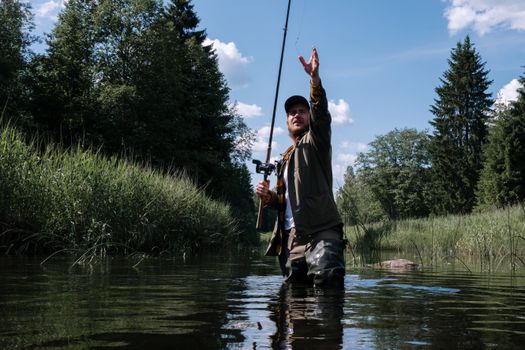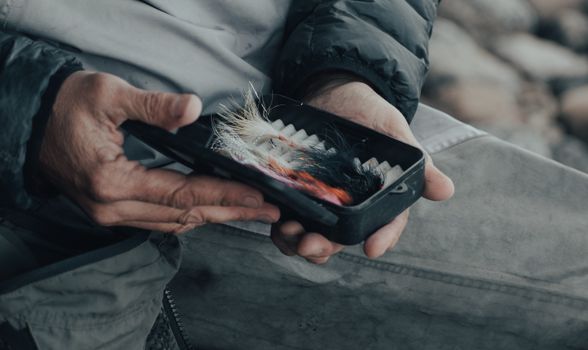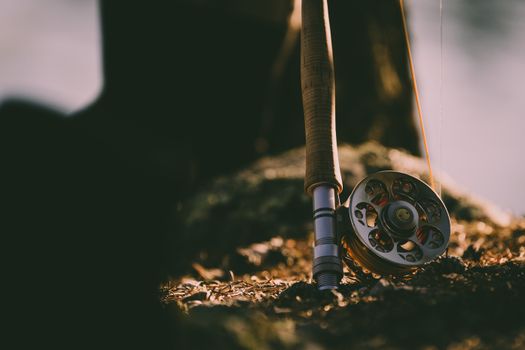
Selecting the right leader for your split cane fly fishing rod is a subtle art that blends tradition with modern angling science. While bamboo rods—also known as split cane rods—are renowned for their craftsmanship and classic action, their unique properties demand careful consideration when pairing them with a leader. The leader serves as the essential link between your fly line and the fly itself, playing a critical role in presentation, accuracy, and strike detection. Choosing the right type of leader can transform your fly fishing experience, helping you get the most out of your cherished split cane rod.
The Unique Demands of Split Cane Fly Rods
Split cane rods, crafted by hand from finely split and glued strips of bamboo, have characteristics that set them apart from modern graphite or fiberglass rods. They are often prized for their smooth, moderate action and delicate presentation, which are ideal for dry fly fishing and subtle nymphing techniques. However, these same traits mean that the wrong leader can hinder performance or even risk damaging the rod.
Bamboo rods typically flex more deeply than their modern counterparts. This deeper flex affects the energy transfer during casting, requiring a leader that complements the rod’s natural rhythm. Furthermore, most anglers use split cane rods for trout fishing in streams and rivers, where accurate, gentle presentations are essential. Therefore, the choice of leader material, taper, length, and strength becomes especially important.
Understanding Leader Types: Material, Taper, and Construction
Leaders come in various constructions, each affecting performance in a different way. The three main types are:
1. $1 These are extruded from a single piece of monofilament or fluorocarbon, offering a continuous taper from butt to tip. Their smooth profile ensures consistent turnover and less drag in the water. 2. $1 Constructed by knotting together sections of different diameter lines, these leaders allow for customizable tapers and can be adjusted for specific conditions or fly sizes. 3. $1 Made from a single diameter of line, these provide simplicity and economy, but offer less finesse in presentation.The two principal materials used are monofilament and fluorocarbon. Monofilament leaders are supple, float well, and are easier for beginners to handle. Fluorocarbon leaders are denser, sink faster, and are nearly invisible underwater, making them ideal for wary fish or subsurface patterns.
Matching Leader Length and Taper to Your Split Cane Rod
The length and taper of your leader should harmonize with your split cane rod’s action and the fishing conditions. For most trout fishing with bamboo rods, leaders typically range from 7.5 to 12 feet. The right length depends on rod length, casting distance, and the type of flies you plan to use.
- $1 Ideal for small streams, heavy brush, or windy conditions where accuracy and turnover are more important than delicacy. - $1 Better for clear, slow-moving rivers where wary trout demand a stealthy approach and delicate fly presentation.The taper of the leader is also crucial. A well-tapered leader will turn over the fly smoothly, matching the split cane rod’s gentle casting stroke. Steep tapers (rapid reduction in diameter) are better for larger flies and windy weather, while gradual tapers are preferred for small dry flies and subtle presentations.
Comparing Leader Types for Split Cane Fly Rods
To help you make the best choice, here’s a comparative overview of leader types specifically for split cane rods:
| Leader Type | Material | Best Applications | Advantages | Drawbacks |
|---|---|---|---|---|
| Knotless Tapered | Monofilament/Fluorocarbon | General trout fishing, dry flies, nymphs | Smooth turnover, easy to use, low memory | Less customizable, can be expensive |
| Hand-Tied Tapered | Monofilament/Fluorocarbon | Custom situations, large or tiny flies | Highly customizable, easy to repair | Knot visibility, requires skill to build |
| Level | Monofilament/Fluorocarbon | Beginner setups, nymphing, wet flies | Simple, inexpensive, strong for diameter | Poor turnover, less delicate presentation |
For example, a 2022 survey by Fly Fisherman Magazine found that 62% of anglers using bamboo rods preferred knotless tapered monofilament leaders for their combination of ease and reliable presentation. However, experienced anglers often build hand-tied leaders to match specific rod tapers and fishing styles.
Leader Strength and Diameter: Balancing Finesse with Power
Leader strength is measured in "X" sizes (e.g., 5X, 4X), with higher numbers indicating thinner, lighter leaders. The choice of leader strength involves several factors:
- $1 For most trout fishing with split cane rods, 4X to 6X leaders are standard. Use 6X for small dry flies (#18-22) and 4X for larger dry flies or nymphs (#12-16). - $1 Heavier, faster-action bamboo rods can handle thicker leaders (3X or 4X), while lighter, full-flex rods pair better with finer leaders (5X or 6X) for subtle presentations. - $1 Clear, slow waters call for thinner leaders, while turbulent or stained water allows for heavier tippets.A study by the American Fly Fishing Trade Association in 2021 reported that using a leader that is too stiff or too strong for the rod and fly resulted in a 27% drop in strike detection and hook-up rates. Therefore, matching leader diameter to rod and fly is critical for maximizing your success.
Traditional vs. Modern Leaders: Is There a "Right" Choice?
The debate between traditional and modern leader materials and constructions is alive and well in the split cane community. Some purists prefer hand-tied, all-mono leaders as a nod to the history of bamboo rods, while others embrace fluorocarbon and advanced knotless designs for their superior performance.
Traditionalists argue that hand-tied leaders made from soft monofilament enhance the bamboo rod’s natural feel and rhythm. They claim these leaders allow for better roll casting and mend more smoothly on the water—essential for classic dry fly fishing.
On the other hand, modern leaders, especially those made with fluorocarbon, offer advantages in strength, abrasion resistance, and invisibility underwater. For fishing pressured waters or targeting trophy-sized trout, these leaders can provide a real edge.
The choice ultimately comes down to your fishing style, the conditions you face, and your personal connection to tradition. Many anglers find a middle path—using modern materials in a hand-tied leader or combining a knotless leader with a custom tippet section.
Practical Tips for Choosing and Maintaining Your Leader
1. $1: Ensure the butt section of your leader is roughly 2/3 to 3/4 the diameter of your fly line tip. This helps preserve the smooth energy transfer that split cane rods are famous for. 2. $1: Bamboo rods reward careful anglers. Check your leader for nicks and abrasions after every session. Replace or re-tie as needed to avoid losing that fish of a lifetime. 3. $1: Don’t be afraid to try different leader formulas until you find the perfect match for your rod and local waters. 4. $1: Keep leaders straight and untangled by storing them in leader wallets or on spools, out of direct sunlight, to prevent material breakdown. 5. $1: If you build your own leaders, practice tying blood knots and perfection loops. Well-tied knots preserve strength and maintain smooth energy transfer.Key Takeaways: Perfecting Your Split Cane Fly Fishing Experience
Choosing the right leader for your split cane fly rod is both a science and an art. Consider the unique flex and casting characteristics of bamboo rods, the demands of your local waters, and your own angling goals. While knotless tapered monofilament leaders are a great starting point for most situations, hand-tied leaders offer unrivaled customization for those willing to invest the time.
Remember, the leader is your final connection to the fish—and to the tradition of fly fishing itself. By selecting and maintaining the right leader, you not only improve your catch rates but also honor the timeless artistry of split cane angling.